The rash people call “keto rash” is usually prurigo pigmentosa, an uncommon inflammatory condition. It often begins as intensely itchy red bumps or patches on the neck, chest, back, or trunk. It can spread into a net-like pattern and, as it heals, leave brown discoloration behind. Keto can change your energy, appetite, and labs, but it can also leave a visible mark on your skin.
What keto rash looks like
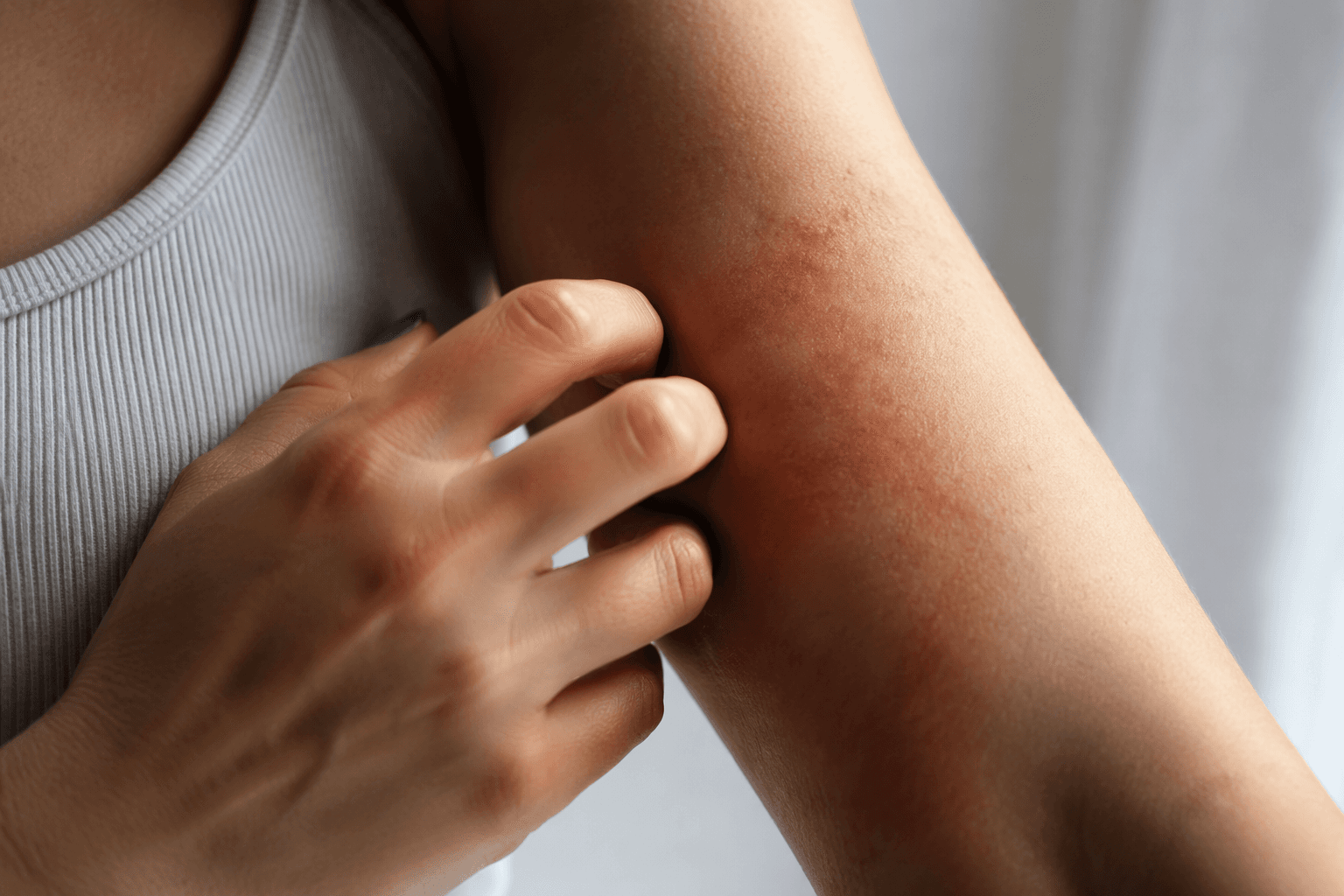
The first clue is usually itch. Prurigo pigmentosa often starts as red papules or plaques that feel far more inflamed than an ordinary dry patch or breakout, and the eruption can develop a reticulated, or net-like, look over time. That shape is one reason it gets mistaken for heat rash, eczema, allergic contact dermatitis, pityriasis rosea, viral exanthem, or confluent and reticulated papillomatosis.
Even when the active rash settles, it can leave hyperpigmentation, which means brown marks linger on the skin after the itching and redness fade. That lingering discoloration can make the rash look like it is “coming and going” when, in reality, the inflammatory phase may have already passed.
Why ketosis can trigger it
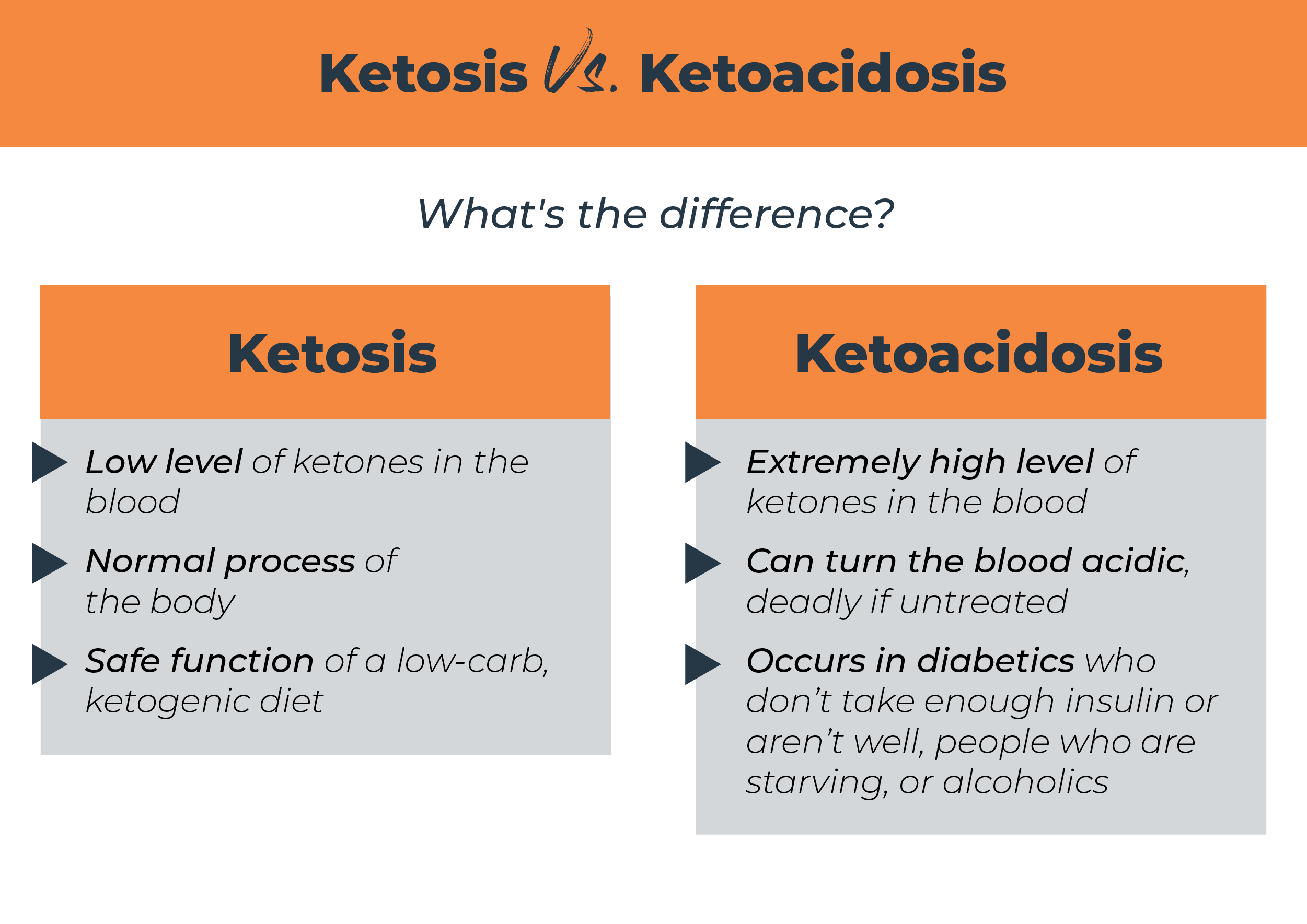
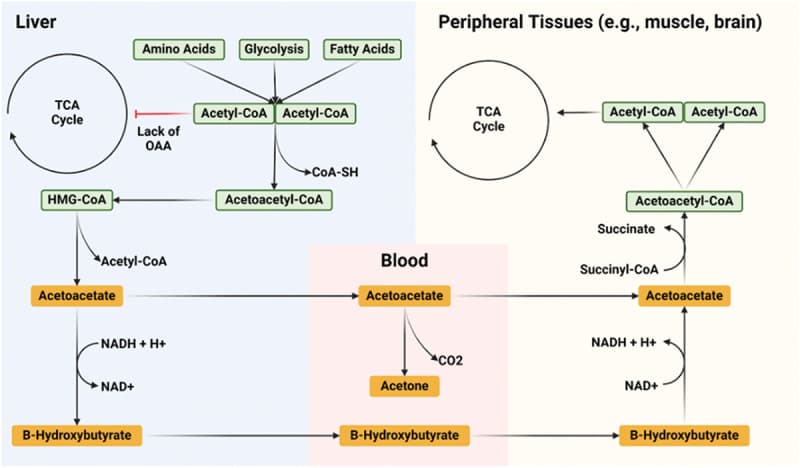
The keto connection is real, but it should not be read as proof that ketosis is toxic. Prurigo pigmentosa occurs during strict ketogenic dieting, fasting, rapid weight loss, and diabetic ketoacidosis, all of which can push the body toward ketosis or hyperketonemia. The pattern suggests that the metabolic shift itself can act as a trigger in some people.
A new, intensely itchy rash after a diet change is not a badge of adaptation, and it is not something to automatically push through. Recent case reports showed the eruption improving after people broke the ketogenic diet and resumed a regular diet, a reminder that the skin finding is tied to the metabolic state, not to some harmless temporary adjustment.
A condition with a long history, and a short reputation
Prurigo pigmentosa was first described in 1971 by Japanese dermatologist Masaji Nagashima. Nagashima first described it in eight patients of Asian descent, and the condition is still sometimes called Nagashima disease. A 2003 PubMed-indexed review found that more than 200 patients had been reported in Japan, but only 28 non-Japanese cases at that time, which helps explain why it spent so long as an underrecognized diagnosis outside Asia.
That history still shapes care today. A 2022 systematic review of the literature called prurigo pigmentosa an underrecognized disease, and newer case reports continue to broaden the list of settings where it appears. One 2024 PubMed-indexed case report linked it with diabetic ketoacidosis and highlighted hyperketonemia as a risk factor, while other case reports documented it after bariatric surgery, where rapid weight loss and ketosis can overlap.
How it gets misread in real life
The problem with keto rash is not just that it itches. It looks like several more common skin problems, so people often assume it is something mild and temporary. A dermatologist may consider eczema, contact dermatitis, heat rash, pityriasis rosea, viral exanthem, or confluent and reticulated papillomatosis before connecting the dots to ketosis.
That delay is common because the rash is uncommon and can persist. A 2024 Cutis photo challenge featured a 43-year-old woman with a six-month pruritic rash across the neck and back, a good example of how long prurigo pigmentosa can linger before anyone names it correctly.
When to stop self-diagnosing and get checked
A rash that appears after you start keto deserves a real look if it is spreading, persistent, or severely itchy. The key is not to assume every flare-up is a harmless side effect of carbohydrate restriction, because not every rash on keto is prurigo pigmentosa and not every rash on keto is safe to ignore.
Dermatologists often diagnose it from the history of ketosis plus the shape and location of the eruption, but a skin exam or biopsy may be used when the picture is unclear. If the rash is on the upper trunk or neck, has a reticulated pattern, and lines up with a recent period of strict keto, fasting, or rapid weight loss, that combination deserves medical evaluation rather than guesswork.
What treatment usually looks like
Treatment usually starts with removing the trigger. Clinicians commonly recommend increasing carbohydrate intake or stopping the strict ketogenic pattern, because reversing the ketosis state can help the rash calm down. Recent case reports showed remission after people resumed a regular diet, reinforcing that approach.
Doctors also often use tetracycline-class antibiotics, especially doxycycline or minocycline, to bring the inflammation under control. A 2021 case report in Itch described a rapid response to doxycycline and pointed to a likely role for neutrophils, which fits the idea that this is an inflammatory skin condition rather than a simple irritation. Symptom relief may also include treatments aimed at itch and inflammation while the eruption settles.
Every story on Keto Diet Magazine is assembled by an automated editorial system that works from verified research, official records, and credible reporting, then clears automated accuracy and moderation checks before it goes live. The standards that system follows are set and overseen by the people who run the publication. Read our full editorial policy.
Did this article answer your question?