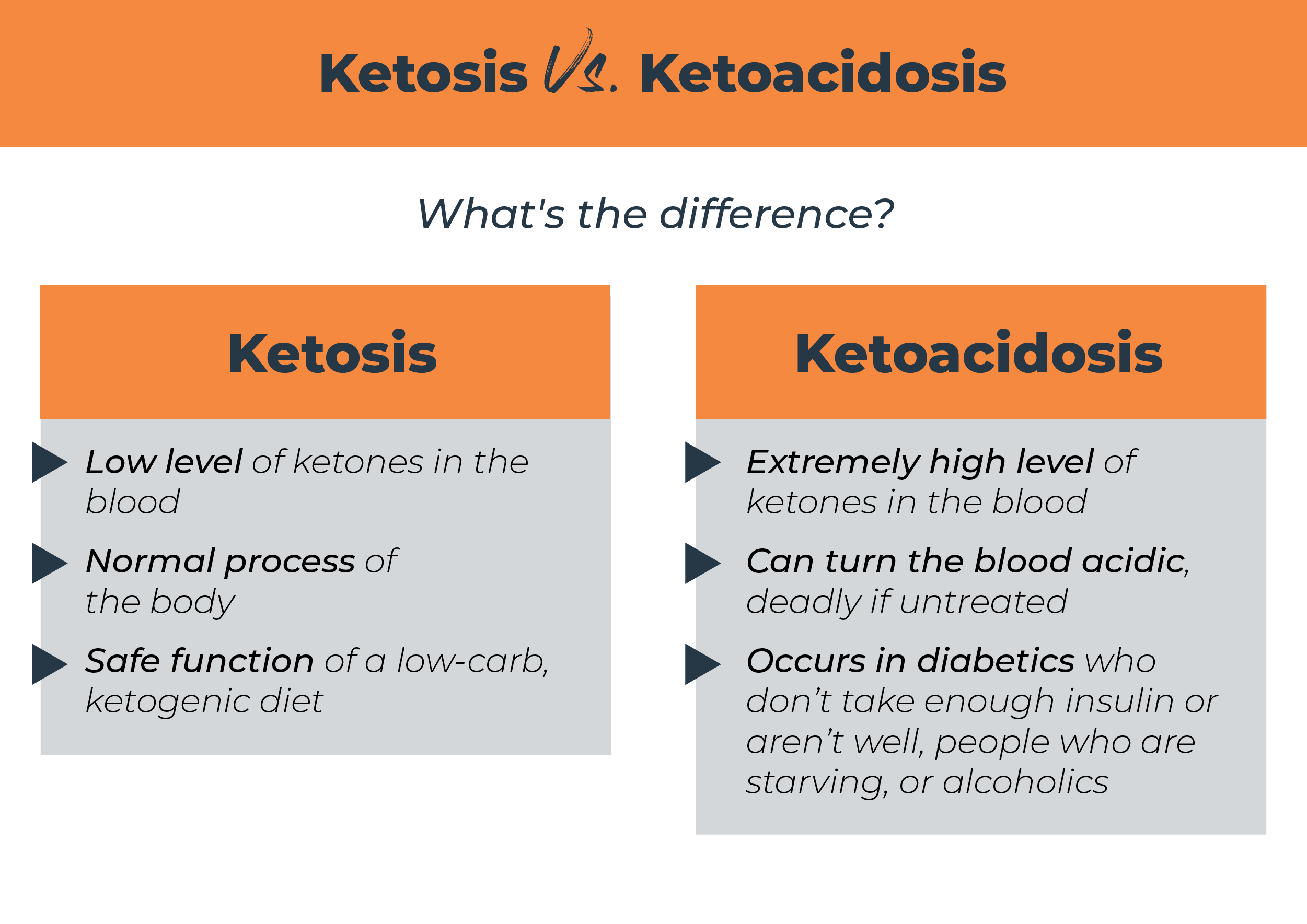
Fruity-smelling breath, vomiting, and deep breathing are not signs a keto diet is working. A lot of keto confusion comes from treating every ketone reading like proof you are doing something right. Nutritional ketosis is the controlled, expected state the diet aims for; diabetic ketoacidosis is what happens when ketones pile up with dangerous blood acidity, usually because insulin is too low or missing.
Nutritional ketosis is the goal, not the threat
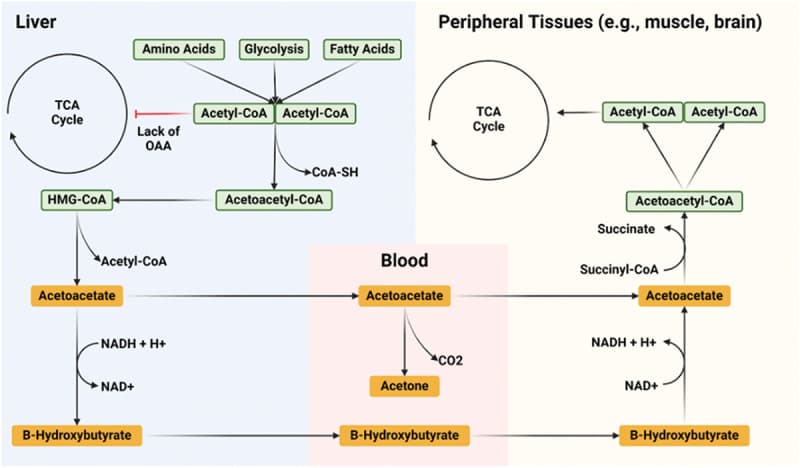
Nutritional ketosis is a physiologic, low-carbohydrate metabolic state. The 2019 Journal of Metabolic Health article on common keto questions and misconceptions described it as a state that may be used for weight management and reversal of metabolic syndrome. That is the version of ketosis most keto eaters are chasing: low carb intake, lower insulin demand, and ketones being used as fuel.
A 2023 review in Diabetes Therapy found that ketosis can be a normal, safe response to low-carbohydrate diets or fasting. If you are intentionally cutting carbs and feel basically fine, ketones are not automatically a bad sign. They are often just evidence that the diet is doing what it is supposed to do.
Ketoacidosis is a medical emergency, not a “deeper ketosis”
Diabetic ketoacidosis, or DKA, is not the same thing with the volume turned up. It is a serious, life-threatening condition that can happen when a lack of insulin causes ketones to build up in the blood. Without enough insulin, harmful ketones accumulate and the condition can be life-threatening.
Ketoacidosis means the blood becomes dangerously acidic, which is why this is not something to “push through” because you are on keto. The 2023 Diabetes Therapy review drew the line clearly: ketosis may be normal and safe, while ketoacidosis is dangerous and life-threatening.
The symptoms tell you when this is not normal keto
DKA often looks and feels nothing like a normal low-carb adjustment. The NHS lists thirst, urinating more often, stomach pain, feeling sick or being sick, deeper breathing, fruity-smelling breath, and feeling confused or drowsy. Mayo Clinic gives a very similar set of warning signs, including excessive thirst, frequent urination, nausea, vomiting, abdominal pain, confusion, and fruity breath.
Mild fatigue after carb cutting is one thing; vomiting, stomach pain, confusion, or breathing more deeply than usual is another. If you are seeing that cluster, the problem is not “good ketosis.” It is potentially DKA.
Why diabetes changes the stakes
Type 1 diabetes, insulin deficiency, missed insulin doses, or a severe illness can push the body out of controlled ketosis and into DKA much faster. You do not get bonus points for assuming every ketone reading is harmless when insulin is part of the picture.
There is also euglycemic ketoacidosis, where blood sugar is not dramatically high. DKA does not always come with sky-high glucose. Normal-looking glucose numbers do not cancel out vomiting, dehydration, or abnormal breathing.
Blood ketones help, but they do not replace judgment
When DKA is suspected, blood ketone testing is generally more useful than urine strips. A review on blood ketones in diabetic ketoacidosis supports blood ketone measurement as useful in DKA management, and a 2024 update on measuring ketones emphasizes that ketone results have limitations and must be interpreted carefully. MedlinePlus says blood ketone testing may be used when you have diabetes, are sick or stressed, or may be at risk for DKA.
Urine strips can be a rough snapshot, but they do not tell the whole story, and neither does a single blood ketone number by itself. If someone is vomiting, dehydrated, confused, or breathing abnormally, the test is a reason to get medical help.
This is not a niche scare story
DKA has enough hospital burden that the CDC tracked trends in DKA hospitalizations and in-hospital mortality in the United States from 2000 to 2014. DKA is an established clinical problem, not a theoretical one, and it has taken enough people to hospital for public health surveillance to track it over time.
Context first, numbers second. Healthy dieting, fasting, or low-carb adaptation points toward nutritional ketosis. Insulin deficiency, severe illness, vomiting, dehydration, confusion, fruity breath, or rapid deep breathing points the other way.
Every story on Keto Diet Magazine is assembled by an automated editorial system that works from verified research, official records, and credible reporting, then clears automated accuracy and moderation checks before it goes live. The standards that system follows are set and overseen by the people who run the publication. Read our full editorial policy.
Did this article answer your question?