The 2024 International Society of Sports Nutrition position stand on ketogenic diets says ketogenic diets can greatly increase fat oxidation, but that metabolic shift does not reliably improve athletic performance. The real question is what sport you train for, how hard you compete, and what performance cost you are willing to pay.
What the current consensus actually says
The cleanest anchor is the 2024 International Society of Sports Nutrition position stand, International Society of Sports Nutrition Position Stand: Ketogenic Diets, by A. Leaf and colleagues. In healthy exercising adults, the effects are largely neutral or detrimental compared with higher-carbohydrate, lower-fat diets.
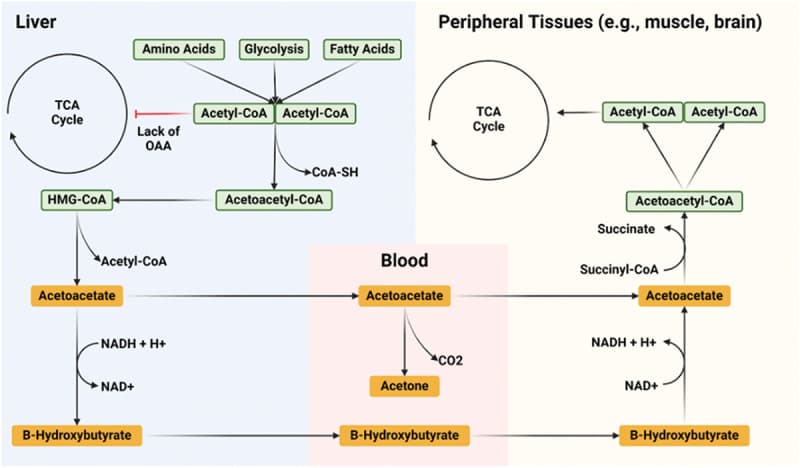
Burning more fat sounds like an upgrade, and in one sense it is, because your body becomes very efficient at using that fuel. But sports performance is not judged by fuel flexibility alone. If your event depends on repeated bursts, hard surges, acceleration, climbing, a finishing kick, or repeated changes of pace, you still need rapid carbohydrate availability to keep output high.
Where keto can fit, and where it can help
Keto is most attractive when your goal is not top-end speed but adaptation, appetite control, or body-composition change. Some athletes like the way easy training feels once they are adapted, and that can make steady aerobic work feel more comfortable. The same shift can also support fat-loss goals, which is one reason keto keeps showing up in endurance circles and among lifters trying to lean out.
The 2023 review on the exercise crossover point and glucose homeostasis frames keto as a fuel-shift question, not a guaranteed performance win. Being able to burn more fat at a lower crossover point may change what fuel you use during submaximal work, but it does not automatically make you faster in competition. That matters most when the event is paced unevenly, or when your success depends on late-race speed rather than just finishing comfortably.
Where performance often slips
The problem starts when the effort gets hard. Sports nutrition guidance cited in the 2020 physiology paper is blunt: sustained high-intensity endurance sports are best supported by high carbohydrate availability. In that guidance, that includes work above about 80% of VO2max, the zone where many athletes start leaning heavily on carbohydrate to keep output up.

The 2020 study titled Adaptation to a low carbohydrate high fat diet is rapid but impairs endurance exercise metabolism and performance despite enhanced glycogen availability found that adaptation happened quickly, but endurance exercise metabolism and performance still suffered, even though glycogen availability was enhanced. In plain terms, having more stored carbohydrate in the tank does not guarantee your muscles will use it effectively when the pace rises.
That is why keto can look fine during easy mileage and then feel flat during intervals, threshold sessions, or race-specific work. The gap shows up in the exact moments that decide a lot of races, from repeated attacks in cycling to a hard finish in a road race or the stop-start demands of team sports.
What the review literature keeps showing
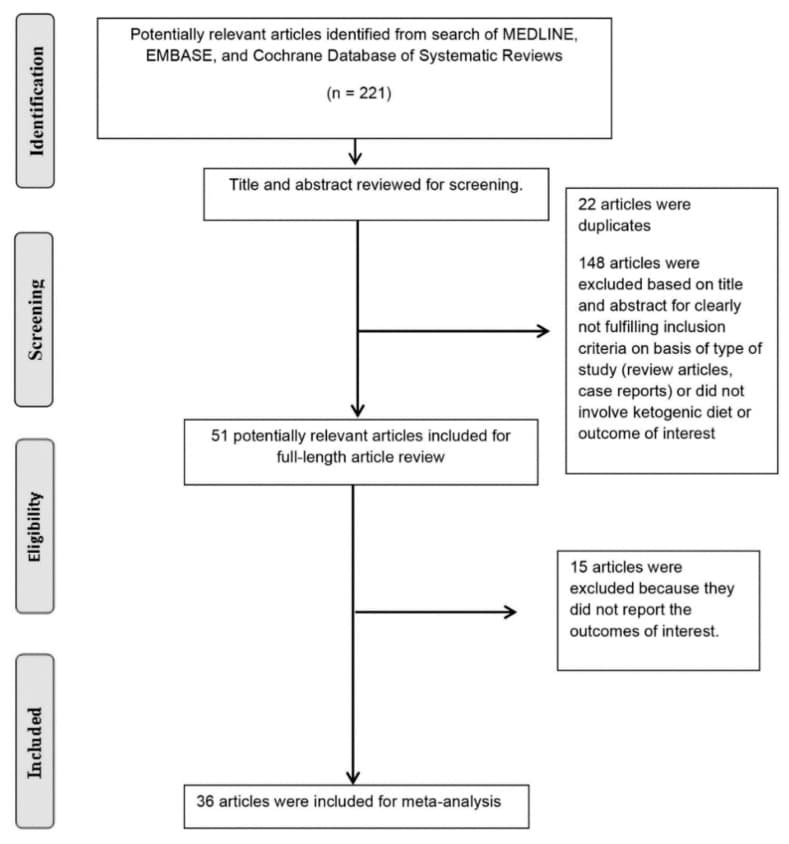
The broader review record lines up with the same tradeoff. A 2021 systematic review and meta-analysis, The Effect of a Ketogenic Low-Carbohydrate, High-Fat Diet on Aerobic Capacity and Exercise Performance in Endurance Athletes, was published on August 23, 2021 and remains a useful benchmark for the longer evidence base. The recurring theme across that literature is not a universal performance boost, but a split result: fat oxidation goes up, while performance advantages are inconsistent or absent.
The debate around keto in sport has stayed controversial rather than settled. Keto is portrayed less as a universal athletic upgrade and more as a specialized tool that may suit a narrow set of goals.
How to think about the tradeoff in practice
If your main target is easy aerobic volume, appetite control, or short-term body recomposition, keto may feel useful because it can change how you fuel and how you feel between sessions. If your main target is faster race times, stronger intervals, better sprint finish, or repeated high-intensity work, the evidence points the other way. Across the 2024 ISSN position stand, the 2020 adaptation study, and the 2021 meta-analysis, fat oxidation rises while performance gains are inconsistent or absent.
Every story on Keto Diet Magazine is assembled by an automated editorial system that works from verified research, official records, and credible reporting, then clears automated accuracy and moderation checks before it goes live. The standards that system follows are set and overseen by the people who run the publication. Read our full editorial policy.
Did this article answer your question?