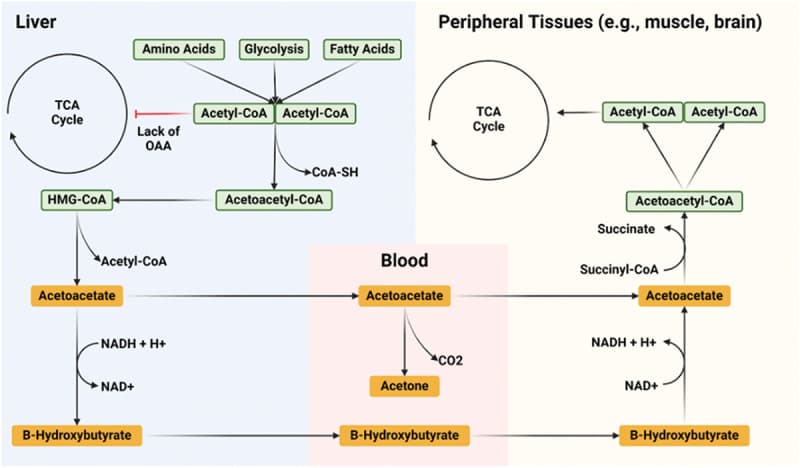
The classic ketogenic diet is usually built around about 70% to 80% fat, 10% to 20% protein, and only about 5% to 10% carbohydrate. Ketogenic diets are meant to induce ketosis by sharply reducing carbohydrate intake, and that is exactly why a 7-day menu plus a full food list matters for beginners. If you know what is in the kitchen and what is on the plate, you are less likely to get trapped by hidden carbs, random snacking, or meals that look keto but miss the mark.
That is a narrow lane, and the first week is where most people either learn the pattern or drift off track.
What the numbers mean for your plate
The carb target is the hard part. A 2019 PubMed-indexed review of ketogenic diet use for epilepsy found carbohydrate intake is generally around 15 to 20 grams per day, while some practical meal-plan resources use under 50 grams a day as a planning benchmark. Those two numbers are not interchangeable, but together they show the same thing: keto is not simply “lower carb,” it is tightly controlled carb intake.
That is why beginners should think in terms of repeatable meals, not improvisation. Breakfast, lunch, and dinner need to come from foods that are already known to fit the pattern, especially during the first few days when cravings and habit-building are still in play.
Stock the kitchen before day one
A useful starter kitchen is built around the categories that consistently fit the diet: meats, dairy, vegetables, nuts, and packaged foods that have been checked carefully. Keto depends on sharply reducing carbohydrate intake, so the shopping list has to do the same job the menu does, only earlier in the process. If you stock the wrong foods, you will spend the week negotiating with your pantry instead of following the plan.
The most common beginner failure is assuming anything low in sugar is automatically keto. Packaged items can be especially risky because labels often hide carbs in sauces, dressings, flavored dairy products, and convenience snacks. The safer move is to keep the first week simple enough that you can repeat meals without having to decode every ingredient list at the table.
A smart first-week cart should also be built around practicality, not perfection. If you need budget-friendly options, convenience foods, or substitutions based on taste, make the swap within the same category and keep the carb count in range.
Use the 7-day menu as a training wheel
A 7-day menu is valuable because it turns a ketogenic diet from an abstract target into a schedule you can actually follow. Instead of asking what to eat from scratch every morning, you can simply rotate through approved breakfasts, lunches, dinners, and snacks across the week.
For the first few days, keep meals straightforward and repetitive. Build the plate around a protein, a keto-friendly fat source, and low-carb vegetables that stay inside your carb budget. That approach makes it easier to track intake and reduces the odds that you will accidentally overshoot because of an extra side dish or a second helping.
If you are using a meal plan as intended, the first week should feel almost procedural: 1. Shop only from the approved food list. 2. Prep a few basic meals in advance. 3. Repeat the plan instead of “freestyling” meals. 4. Check packaged foods before they go in the cart. 5. Keep carbs within the day’s target before anything else.
Don’t forget the non-food mistakes
Early keto trouble is not just about carbs. People also run into electrolyte problems when they cut carbs quickly and do not plan for the transition. Even a strong food list will not help if hydration and mineral intake are ignored, because the early shift into ketosis can feel rough when the body is still adapting.
This is one reason mainstream medical guidance has stayed cautious. Mayo Clinic published an explainer on April 8, 2022, framing keto as a high-fat, very-low-carbohydrate diet and asking whether it is healthy. In a July 6, 2023, community health article, Mayo Clinic wrote that keto remains popular because it is claimed to help people lose weight quickly. Harvard Health has also taken a more skeptical position, with one article warning that keto is not healthy and may harm the heart.
Why the plan is built this way
The ketogenic diet was created in 1921 at the Mayo Clinic to treat epilepsy in children and adults, and at Johns Hopkins Medicine it remains a standard-of-care therapy for treatment-resistant epilepsy worldwide. Johns Hopkins Medicine lists five versions of ketogenic diet therapy that can be started either in or out of the hospital setting.
In the Epilepsy Foundation’s history, the diet was popular for epilepsy treatment in the 1920s and 1930s, then declined from the 1940s through the 1980s before later revival.
Every story on Keto Diet Magazine is assembled by an automated editorial system that works from verified research, official records, and credible reporting, then clears automated accuracy and moderation checks before it goes live. The standards that system follows are set and overseen by the people who run the publication. Read our full editorial policy.
Did this article answer your question?