Four participants reaching nutritional ketosis was enough to make keto’s brain-performance claims feel a little less like locker-room lore and a little more like a testable hypothesis. In a small American Diabetes Association pilot abstract, Cristian Moreno, Rohan Taneja, Alka Munshi, Jay Shubrook and Gregory G. Gayer asked whether the sharpness people report on fasting or keto could be measured, not just felt.
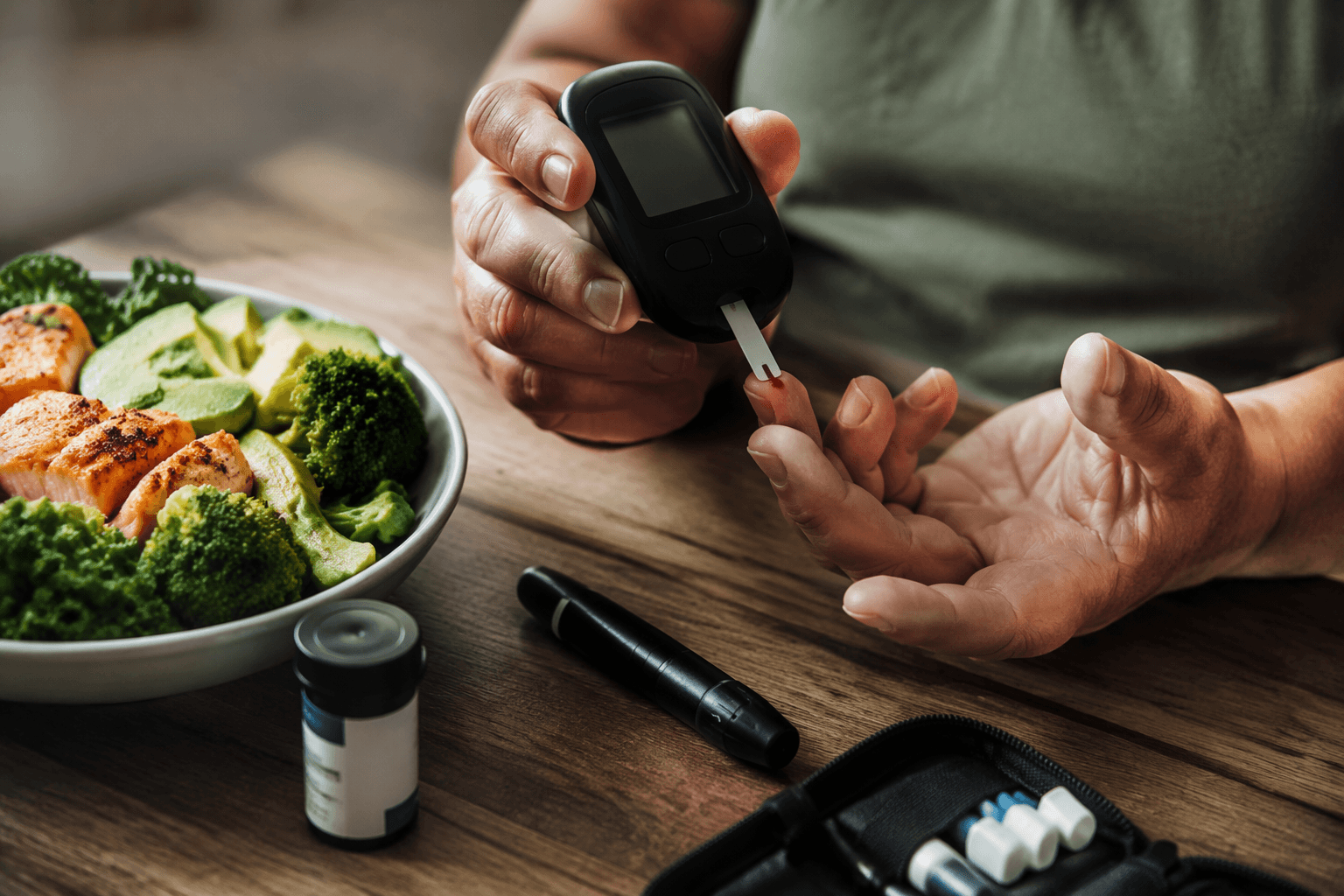
The study followed healthy adults who were randomized either to an ad libitum control diet or to a fasting-first protocol that used fasting, or a ketogenic run-in diet, until nutritional ketosis was reached. The researchers defined that metabolic state as ketone levels of at least 1.5 mmol/L, then verified it with Ketomojo meter readings rather than assuming the switch had happened. Participants took a battery of tests at baseline, at peak ketosis, at peak control, and after the fasting or control phase, including the Verbal Memory Test, Visual Memory Test, Finger Tapping Test, Symbol Digit Coding, Stroop Test, Shifting Attention Test and Continuous Performance Test.
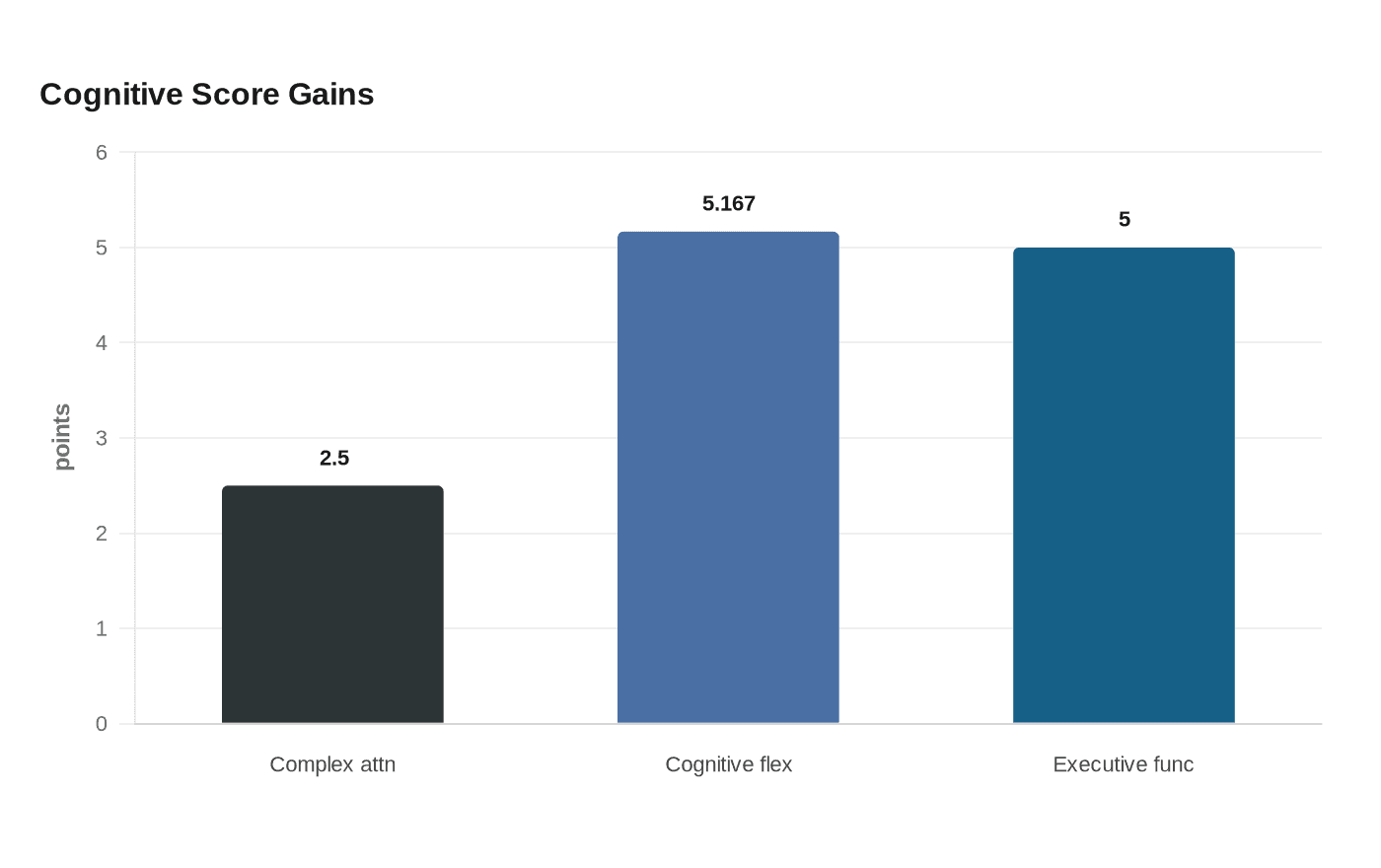
By the time the abstract was reported, 10 participants had enrolled, seven had completed the protocol and four had reached nutritional ketosis. That is a tiny pool, but the direction of the signal was hard to ignore: complex attention, cognitive flexibility and executive function showed the clearest gains, with average increases of 2.5 points, 5.167 points and 5 points, respectively. The strongest movement showed up on the Stroop Test and the Shifting Attention Test, the kinds of tasks that reward mental switching and inhibition more than brute memory.
The authors concluded that prolonged fasting to achieve nutritional ketosis was associated with marked improvements in cognition, and they framed ketosis as a metabolic switch, with liver glycogen depletion pushing the body to make ketones from fatty acids. Still, this is proof-of-concept territory, not a finished answer. Recruitment was ongoing, the sample was very small, and the study does not yet tell readers how long fasting needs to last, how high ketones need to rise, or which people are most likely to benefit.
That caution matters because the broader fasting literature has been messy. A 2025 systematic review and meta-analysis covering 222 effect sizes and 3,484 participants found no meaningful average cognitive difference between fasted and satiated healthy adults, while a separate 2025 narrative review of 33 human studies reported mixed results and possible dips in cognitive flexibility and psychomotor ability. Against that backdrop, this ADA pilot stands out not because it settles the keto mental clarity debate, but because it finally measures the thing the community has talked about for years: whether the brain really changes when ketosis does.
Every story on Keto Diet Magazine is assembled by an automated editorial system that works from verified research, official records, and credible reporting, then clears automated accuracy and moderation checks before it goes live. The standards that system follows are set and overseen by the people who run the publication. Read our full editorial policy.
Did this article answer your question?