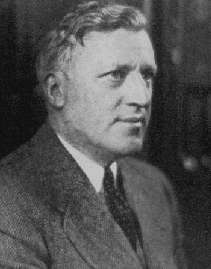
Russell Wilder at Mayo Clinic named the ketogenic diet and reported its use for epilepsy patients as a way to harness fasting’s seizure-reducing effect without actual starvation. It evolved into a highly structured therapeutic plan built to mimic starvation metabolism while the patient still ate.
From fasting observations to a medical diet
Keto began in neurology, not nutrition marketing. Clinicians wanted a way to capture that anticonvulsant effect without forcing patients, especially children, to go without food for long stretches. That idea took shape in the early 20th century, when dietary therapy sat alongside other attempts to control epilepsy through metabolic change.
Wilder’s work helped turn a physiologic observation into a practical treatment plan. The core idea was simple but ambitious: reproduce ketosis in a sustainable way, so the brain could benefit from a fasting-like state while the patient still ate.
The classic ketogenic diet and the 4:1 benchmark
The version that became the medical standard is associated with pediatrician Mynie Peterman. Peterman helped define the classic ketogenic diet as a very high-fat, very-low-carbohydrate regimen, and the famous 4:1 ratio became its signature. In that formulation, four parts fat are provided to one part combined protein and carbohydrate by weight.
It also became an enduring benchmark for ketogenic therapy, especially in pediatric epilepsy care, where the diet was used most heavily. In the 1920s and 1930s, keto was widely used before antiseizure medications pushed it out of the mainstream for a time.
Why the diet changed, and why it came back
It faded as antiseizure drugs expanded the treatment toolkit and offered an easier path for many patients. But the diet’s clinical value never fully vanished, especially for drug-resistant epilepsy, where families and specialists kept looking for options beyond medication alone.
Jim and Nancy Abrahams became central figures after their son Charlie developed difficult-to-control epilepsy in the early 1990s. The Charlie Foundation for Ketogenic Therapies launched in 1994 after Charlie’s case, and his story helped renew both public and clinical interest in ketogenic therapy. Johns Hopkins Medicine now maintains a ketogenic diet therapy timeline for epilepsy.
The MCT variant and a more flexible form of ketosis
The diet also includes a major technical adjustment. In 1971, Peter Huttenlocher introduced a medium-chain triglyceride, or MCT, ketogenic diet variant designed to make the therapy easier to maintain while preserving ketosis. MCTs generate ketones efficiently, which allowed somewhat more carbohydrate and protein than the original classic plan.
Huttenlocher found that the MCT-based diet could be as effective as a 3:1 classical diet in producing ketosis and controlling seizures. The MCT diet is an epilepsy therapy variant in the same medical family as the classic 4:1 plan, even if the macronutrient balance differs.
What modern keto preserved
A lot of today’s keto vocabulary still comes straight from the clinical version. People still talk about ketosis, carb limits, fat ratios, and metabolic adaptation because those are the mechanics that made the diet useful in epilepsy care. The basic premise has not changed: shift fuel use so the body runs on fat-derived ketones instead of a carb-heavy pattern.
Ketogenic diets for epilepsy are therapeutic diets designed to mimic starvation metabolism, and they are used especially for drug-resistant epilepsy. In its original setting, it is a carefully controlled intervention with a neurologic goal.
What modern keto diluted
The mainstream version usually loosens almost everything that made the medical protocol so exact. In a weight-loss or wellness setting, keto is often treated as a broad low-carb pattern rather than a tightly prescribed therapeutic diet. The purpose changes too: instead of reducing seizure frequency, the goal is usually weight management, metabolic health, or personal experimentation.
In epilepsy, the diet has a specific clinical target and decades of use behind it. In everyday lifestyle use, keto is no longer tied to a supervised treatment plan, a strict 4:1 ratio, or the pediatric epilepsy setting that gave it its name.
Every story on Keto Diet Magazine is assembled by an automated editorial system that works from verified research, official records, and credible reporting, then clears automated accuracy and moderation checks before it goes live. The standards that system follows are set and overseen by the people who run the publication. Read our full editorial policy.
Did this article answer your question?