Before you cut your first meal down to eggs, meat and greens, sort out your medication list, not your macros. Ketogenic eating was designed in the 1920s to mimic starvation, and that same shift changes glucose availability, hydration, sodium balance and acid-base metabolism in ways that can change how certain drugs behave.
Start with the medication list, not the grocery list
Keto is used medically for refractory epilepsy and has also been used therapeutically in some people with insulin resistance and type 2 diabetes. It is a metabolic intervention, and the prescription side has to be checked before you start.
The practical test is simple: if a drug depends on steady carbohydrate intake, steady fluid status, or a predictable acid-base balance, keto can change the equation. The strongest pre-start advice is not “see how you feel for a week,” but “review your meds first.”
Diabetes drugs are the first checkpoint
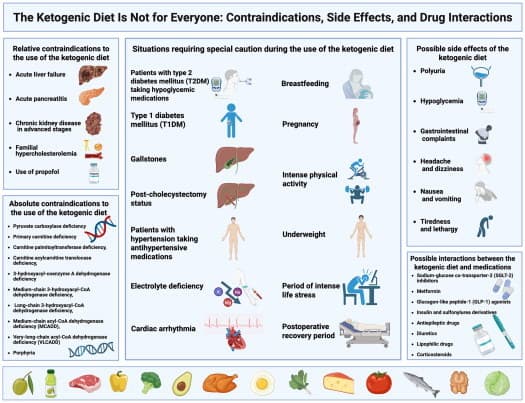
Insulin is the obvious one, but sulfonylureas such as glipizide, glyburide and glimepiride can also become too strong when carbohydrate intake drops sharply. That raises the risk of hypoglycemia quickly, and it can happen fast if you start keto and keep the same dose that worked on a higher-carb diet. Even if your type 2 diabetes has been stable for months, you still need a plan before day one.
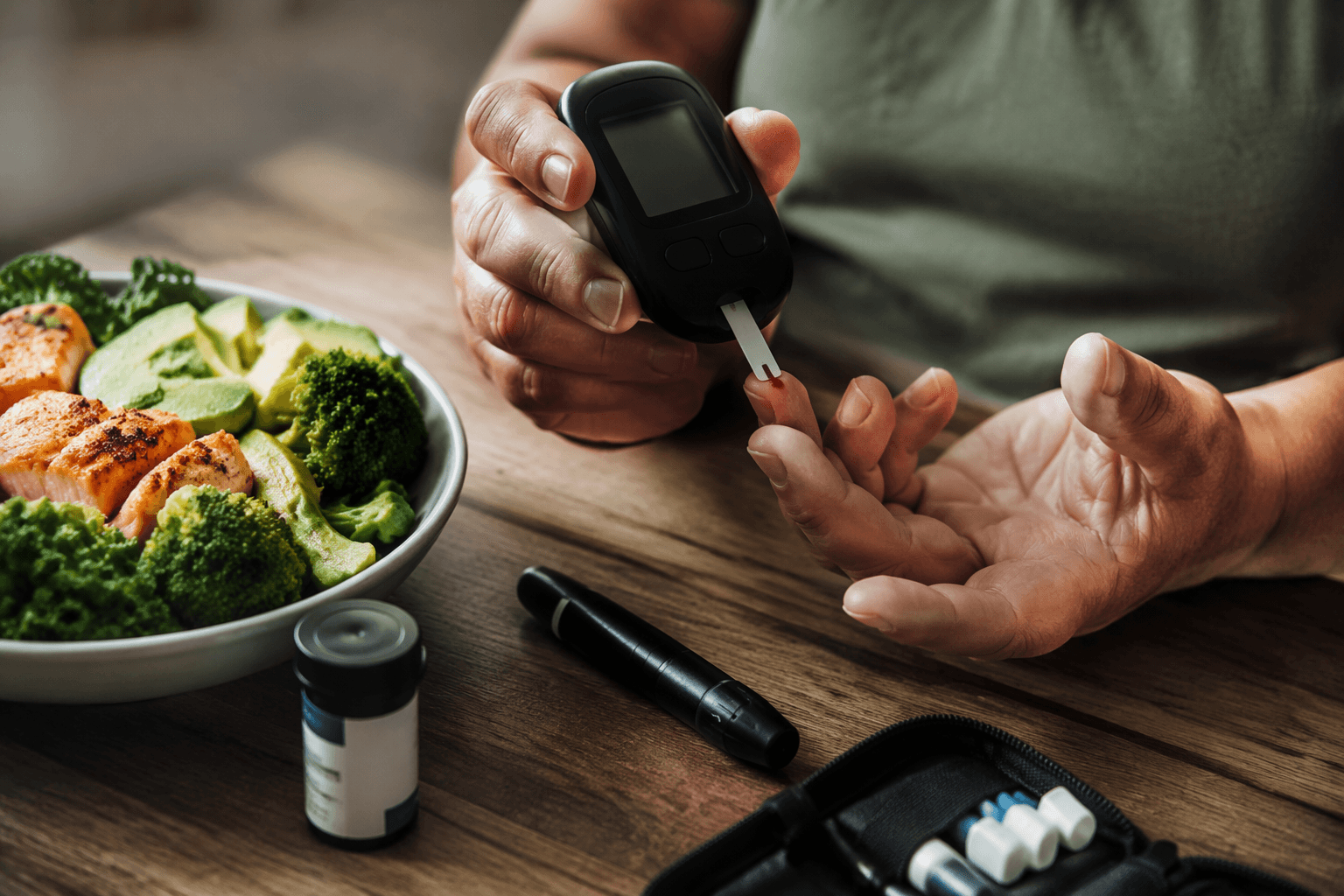
The safest setup is prescriber-guided dose adjustment with glucose monitoring already in place. Keto is being used more often in insulin resistance and type 2 diabetes, but that therapeutic interest does not erase the need to rework medication doses when carbs fall.
SGLT2 inhibitors deserve special caution
Empagliflozin, dapagliflozin, canagliflozin and ertugliflozin all push the body toward ketone production. Combine one of those drugs with a very-low-carbohydrate diet, dehydration, illness or prolonged fasting, and you raise the risk of euglycemic diabetic ketoacidosis. That is the version that is easiest to miss, because blood glucose may not be very high even while the body is in serious trouble.
Case series and reviews have linked ketogenic or strict low-carbohydrate diets with SGLT2 inhibitor-triggered euglycemic diabetic ketoacidosis. FDA labeling for canagliflozin and for ertugliflozin-containing products includes ketoacidosis warnings, and the Steglujan label had major changes in December 2024 that kept the risk front and center.
Blood pressure drugs can overshoot early
The early weeks of keto often bring water and sodium loss, which is one reason some people see a quick drop on the scale. That same effect can change how blood pressure treatment feels. Diuretics, ACE inhibitors, ARBs and other blood pressure drugs may need reassessment if you start feeling dizzy, wiped out or lightheaded.
Early ketosis can act a bit like a diuretic itself. If you are already taking a drug that lowers blood pressure or pulls off fluid, the first stretch of keto is the time to watch blood pressure and volume status.
Epilepsy drugs need their own review
There is a second medication lane that keto veterans know well: antiseizure treatment. Topiramate, zonisamide and acetazolamide can all contribute to metabolic acidosis, which can overlap with the acid-base effects of ketosis. Valproate raises carnitine concerns in some patients, especially when ketogenic therapy is being used for epilepsy.
Ketogenic therapy has long been treated as a medical diet in pediatric epilepsy programs and specialist care. Clinical pharmacy and epilepsy reviews put drug interactions and contraindications up front.
The hidden carbs still count
The carb count in medicines and supplements can matter more than most people expect. In epilepsy treatment, even small amounts of carbohydrate in liquid medications or over-the-counter products can interfere with maintaining ketosis and seizure control. That same logic applies to supplements, syrups and anything else you take by mouth that was never designed with keto in mind.
Before you start, check the label on anything you swallow regularly, not just the obvious prescription bottles. If a product comes in a liquid or chewable form, give it a closer look before you rely on it during strict keto.
Your pre-start checklist
- Make a complete medication list, including insulin, sulfonylureas, SGLT2 inhibitors, diuretics, ACE inhibitors, ARBs and antiseizure drugs.
- Ask your clinician or pharmacist whether any dose changes should happen before the first day of keto.
- Set up glucose monitoring if you use diabetes medication, especially insulin or a sulfonylurea.
- Ask what symptoms should trigger a call, especially dizziness, lightheadedness, unusual fatigue or signs of low blood sugar.
- Check the carbohydrate content of liquid medicines, OTC products and supplements if you are aiming to stay in ketosis.
Every story on Keto Diet Magazine is assembled by an automated editorial system that works from verified research, official records, and credible reporting, then clears automated accuracy and moderation checks before it goes live. The standards that system follows are set and overseen by the people who run the publication. Read our full editorial policy.
Did this article answer your question?