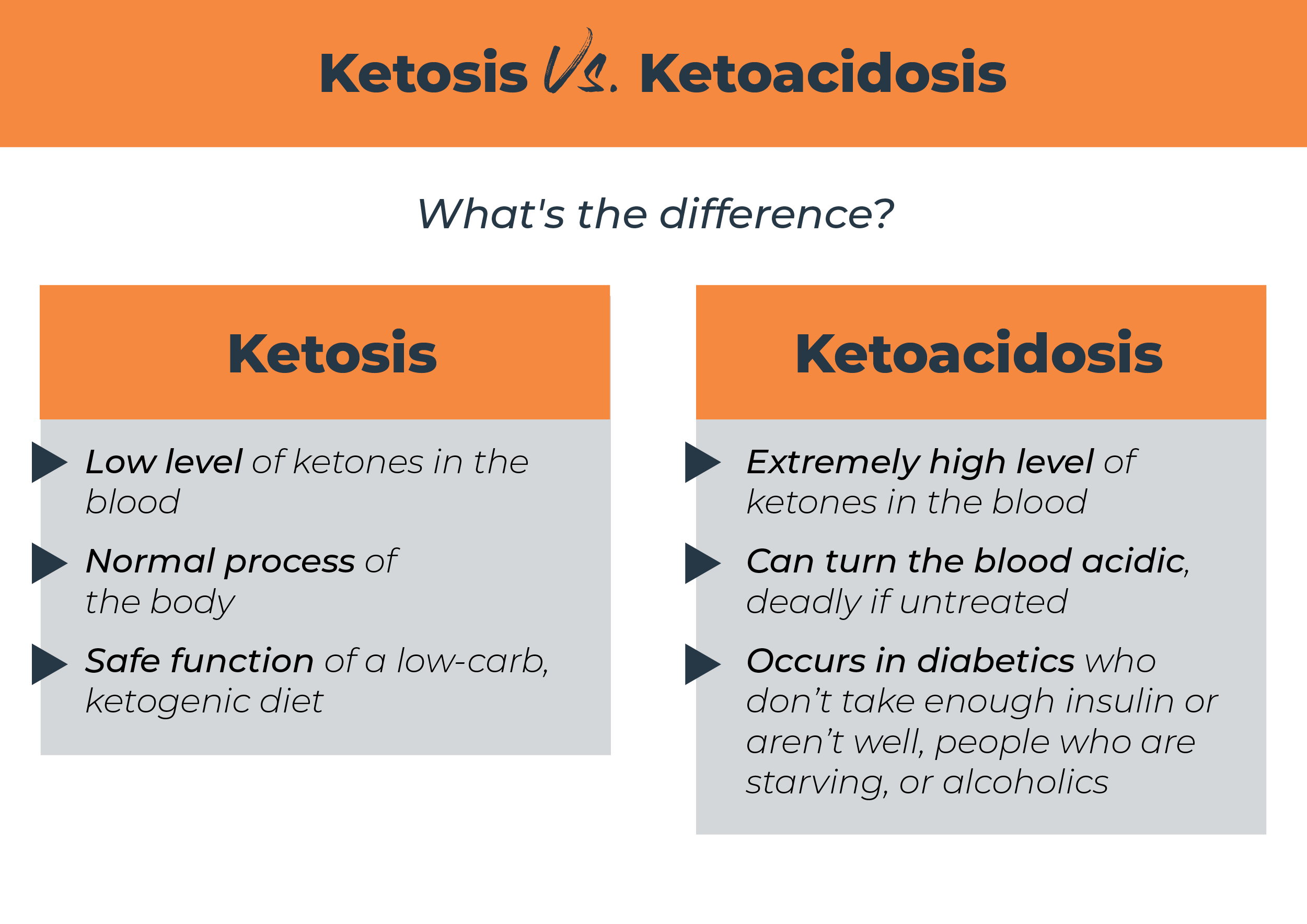
For keto loyalists chasing deeper ketosis, the sharper heart-health story may be less glamorous: a more moderate carb intake looked steadier across the full panel of markers. Texas A&M University School of Public Health researchers reviewed 174 journal articles covering 11,481 adults in 27 countries and found that moderate-carb patterns improved the broadest range of cardiovascular and metabolic measures overall.
The June 11 analysis, published in The American Journal of Clinical Nutrition, compared ketogenic diets, low-carb diets and moderate-carb diets, then dug into what replaced the carbs, whether fat, protein or a combination. The team tracked changes in cholesterol, blood pressure, body fat, waist size, triglycerides, inflammation and related lipid ratios. Its protocol had already been registered in PROSPERO under CRD420251011748, signaling a planned review rather than a loose post-hoc roundup.

The result was a split verdict. Ketogenic and low-carb diets often delivered the biggest improvements in a few specific measures, but moderate-carb diets came out ahead on overall coverage, improving a wider variety of markers. The researchers also found that both low-carb and very low-carb ketogenic patterns were associated with higher LDL cholesterol, the so-called bad cholesterol. That does not automatically settle the risk question, because the health meaning of LDL shifts when it is viewed alongside other lipid metrics, but it does complicate the idea that deeper carb cutting is always cleaner for the heart.
Shuo Feng, the study’s first author and a doctoral student at Texas A&M, said cutting carbs can be a powerful tool for weight loss, lowering blood pressure and reducing triglycerides, but it requires lipid monitoring. That caution fits the broader pattern in recent nutrition research, which has repeatedly shown that carbohydrate restriction can help some markers while nudging cholesterol in the wrong direction for some people.
The strongest benefits in the new analysis showed up among women and among people who were overweight or obese. Diets maintained for at least six months also seemed to improve triglyceride ratios and inflammation more strongly, hinting that duration matters as much as the macro split itself. For anyone deciding between strict keto and a less rigid low-carb approach, the Texas A&M review lands on a simple reality check: if the goal is long-term cardiovascular health, the best answer may be a little more carb and a lot more attention to which markers actually move.
Every story on Keto Diet Magazine is assembled by an automated editorial system that works from verified research, official records, and credible reporting, then clears automated accuracy and moderation checks before it goes live. The standards that system follows are set and overseen by the people who run the publication. Read our full editorial policy.
Did this article answer your question?