ShunKeto’s updated guide does not sell ketosis as magic. It lays out the basics plainly: if you want to get into ketosis, you have to slash carbohydrate intake, raise healthy fats, keep protein moderate, and give your body time to switch fuel sources. That matters because the early days are where most first attempts go sideways, not in the recipe list but in the transition itself.
What ketosis actually is
Ketosis is the metabolic state that begins when your body does not have enough glucose available and starts breaking down fat into ketones for energy instead. In practical terms, that means the diet has to be aggressive enough to move you off your usual carb-driven pattern and keep you there. Mayo Clinic says keto typically means eating less than 50 grams of carbohydrates per day, while a standard ketogenic pattern is often built around roughly 70 to 80 percent of calories from fat, 15 to 20 percent from protein, and 5 to 10 percent from carbohydrates.
That macronutrient split is the heart of the plan, but it is also where beginners get tripped up. Eat too little fat and you lose the fuel source that keeps the diet ketogenic. Overdo protein and you drift away from the fat-heavy balance that defines the approach.
How to set up the plate
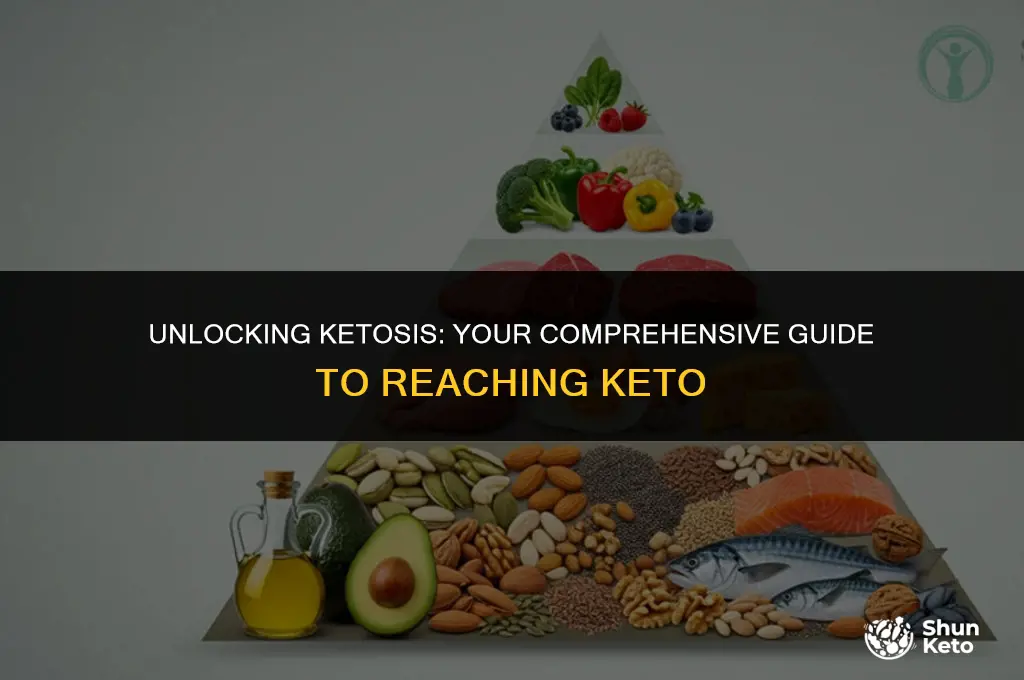
The simplest way to think about the first stretch is food quality plus carb control. ShunKeto points readers toward whole, unprocessed choices such as leafy greens, nuts, seeds, avocados, and fatty fish. Those foods help you build meals that fit the macro targets without turning every plate into a math problem.
The bigger idea is to make the switch sustainable enough to repeat every day. Keto works best when the pantry and the routine both change at once, because hidden carbs and convenience foods can quietly push you out of range. Hydration, regular exercise, and stress management also matter here, not as extras but as part of the transition itself.
A practical first-week roadmap
The first week is less about feeling perfect and more about staying consistent long enough for your body to adapt. ShunKeto says full adaptation can take several days to a few weeks, so the job in the first stretch is to keep carbs low, keep fat high enough, and not panic when your energy feels different.
1. Days 1 to 2: cut carbs sharply and build meals around keto staples like greens, nuts, seeds, avocado, and fatty fish.
2. Days 2 to 7: keep water intake up and watch for the early adjustment period that can come with the switch.
3. By the end of week 1 and beyond: stay patient, because ketosis is not instant and the body may still be learning to use ketones efficiently.
That slow ramp is the part many people underestimate. The guide makes clear that ketosis is not a same-day transformation, and the body may need several days before the new pattern feels normal.
Common mistakes that knock people off track
The biggest early error is expecting ketosis to happen immediately. Another is eating too little fat, which leaves the plan underpowered and harder to sustain. A third is going heavy on protein and assuming any low-carb pattern counts as keto, when the classic version is intentionally fat-forward.
The other mistake is ignoring the basics that support the switch. Dehydration, poor sleep, skipped meals, and unmanaged stress can all make the first week feel harder than it needs to be. When people abandon the diet at that point, it is often because they mistook a rough adjustment period for failure.
What normal adaptation can look like
A little roughness in the beginning is common. Cleveland Clinic says so-called keto flu symptoms, including nausea, irritability, and headaches, can appear anywhere from two to seven days after you reach ketosis. That window is useful because it tells you not to be surprised if the first stretch feels off before it feels better.
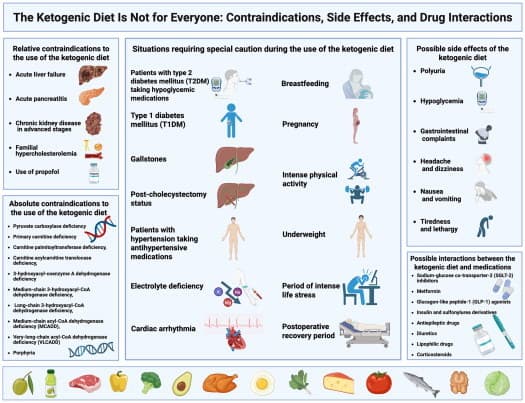
Normal adaptation usually looks like temporary discomfort that eases as your body settles into the new fuel source. A warning sign is when symptoms are severe, keep getting worse, or look more like a real medical problem than a passing adjustment. Medical references list constipation, dehydration, nausea, low-grade acidosis, kidney stones, and possible nutrient or bone concerns among the risks, so the line between “tough week” and “stop and get help” matters.
Why keto still carries medical weight
The diet’s roots are not in influencer culture. Ketogenic diets were first used in the 1920s as a therapy for drug-resistant epilepsy, and epilepsy organizations still describe the classic version as a physician-prescribed, dietitian-monitored medical diet. That history explains why keto is still treated differently in clinical settings than it is on social media.
The modern appeal is broader. Recent medical reviews say keto may help with weight loss, glycemic control, and appetite control, and it is also studied for possible effects on inflammation and neurological disorders. At the same time, cardiovascular effects remain controversial, especially when LDL cholesterol is part of the conversation, which is one reason medical caution has not gone away.
That caution shows up clearly in diabetes care too. The American Diabetes Association emphasizes individualized nutrition planning rather than a one-size-fits-all formula, and notes that carbohydrates can fit into healthy eating patterns. In other words, keto is one tool, not the only tool, and it works best when it is matched to the person, not treated like a universal fix.
ShunKeto’s guide lands where the real action is: not in the promise of ketosis, but in the daily mechanics of getting there. Keep carbs low, keep fat sufficient, watch the first-week symptoms closely, and treat the transition as a process instead of a switch. That is how beginners avoid mistaking ordinary adaptation for disaster, and how a keto start becomes a workable routine instead of a false start.
Every story on Keto Diet Magazine is assembled by an automated editorial system that works from verified research, official records, and credible reporting, then clears automated accuracy and moderation checks before it goes live. The standards that system follows are set and overseen by the people who run the publication. Read our full editorial policy.
Did this article answer your question?