Claims that keto is dying do not match what is happening in the clinic or on the trial registry. ClinicalTrials.gov currently shows 667 ketogenic studies either underway or planned, stretching far beyond weight loss and into cancer, brain health, psychiatry, kidney disease and infection. The real story is not collapse, but a shift from internet diet fight to condition-specific medical research.
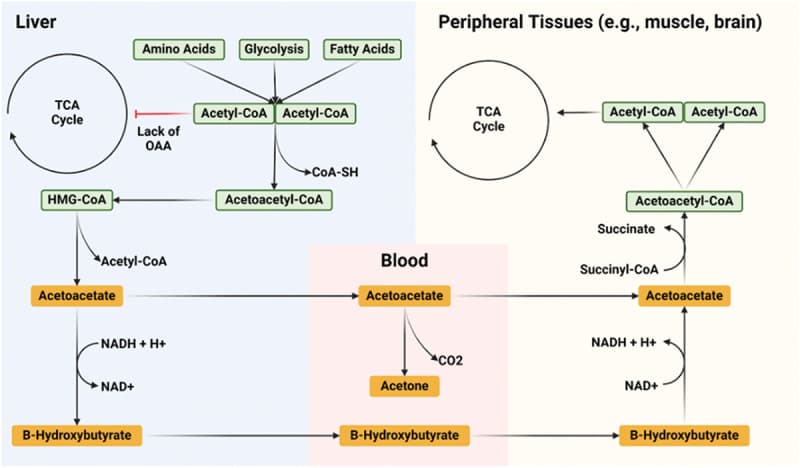
Ketogenic therapy is not new. Modern medical ketogenic diets were developed in the 1920s to mimic fasting and help control seizures, and the diet remains a recognized non-pharmacological therapy for drug-resistant childhood epilepsy. That matters because it separates the one area where keto already has an accepted medical role from the areas where researchers are still testing whether it can help.

The biggest research clusters are easy to spot. In metabolic health, the University of Alabama at Birmingham is studying how ketogenic diet use affects energy expenditure and appetite during weight-loss maintenance. In cancer, Memorial Sloan Kettering Cancer Center has an endometrial cancer ketogenic diet study looking at the good and bad effects of an experimental ketogenic diet, while another trial is evaluating ketogenic diet effects in metastatic pancreatic cancer during chemotherapy.
The brain and mental health pipeline is just as active. Wake Forest University Health Sciences is recruiting for BEAT-AD, the Brain Energy for Amyloid Transformation in AD study, which compares a ketogenic low-carbohydrate diet with a low-fat diet in adults with mild cognitive impairment. Stanford University’s ketogenic metabolic therapy study is aimed at schizophrenia, bipolar disorder and major depressive disorder. One schizophrenia record notes an open-label ketogenic diet study in the 1950s that reported symptom improvement, and later case reports plus a retrospective study described robust improvements or complete resolution in some patients.
That psychiatric work carries a public-health edge. A ClinicalTrials.gov mental-health record says adults with severe mental illness are estimated to die about 25 years earlier than the general population, which helps explain why researchers are taking the approach seriously. Other studies in the registry extend the same pattern into Alzheimer’s disease, Parkinson’s disease, polycystic kidney disease and even bacterial community-acquired pneumonia.
Dr. Ken Berry, who promotes the “Proper Human Diet,” has been pointing to this expansion as evidence that keto is not fading out, but widening into a broader low-carb and carnivore-adjacent medical conversation. The registry tells the same story: keto is no longer just a fad-diet argument, it is a live research program, and the list is still growing.
Every story on Keto Diet Magazine is assembled by an automated editorial system that works from verified research, official records, and credible reporting, then clears automated accuracy and moderation checks before it goes live. The standards that system follows are set and overseen by the people who run the publication. Read our full editorial policy.
Did this article answer your question?