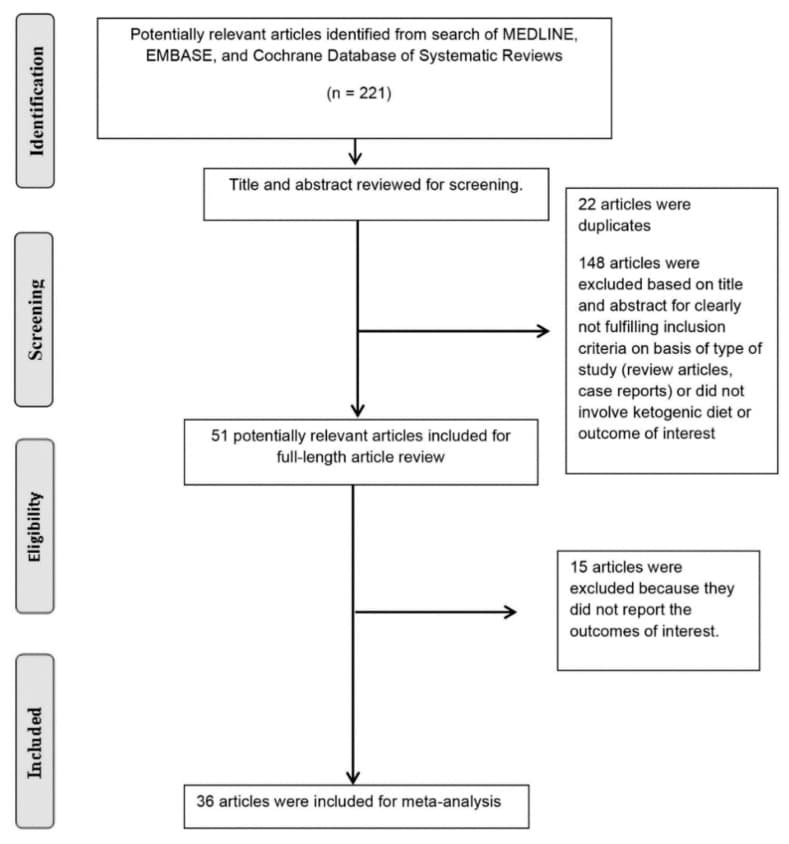
Kidney stones were one of the clearest documented complications in ketogenic dieting: a 2021 systematic review and meta-analysis found a pooled incidence of 5.6% after four years, with uric acid stones the most common type. Calcium-based stones and mixed stone patterns also turned up, which matters because keto-related stone risk is not just one mechanism or one stone.
The risk is highest in the settings where ketogenic therapy is used as a medical treatment, especially for drug-resistant epilepsy in children. Johns Hopkins Medicine describes ketogenic diet therapy that way, and the older clinical literature has long put stone rates in the roughly 6% range for children on the diet. Lower urine pH, dehydration and shifts in mineral handling all help explain why stones can form under ketogenic conditions.

That is also why prevention has drawn so much attention. In a 2009 Pediatrics study titled Empiric use of potassium citrate reduces kidney-stone incidence with the ketogenic diet, universal use of oral potassium citrate, sold as Polycitra K, at ketogenic diet onset lowered stone risk from 6.7% to 0.9% in children. A later study in children with epilepsy on keto found potassium citrate could prevent metabolic acidosis without reducing antiepileptic efficacy, which gives clinicians another reason to consider it.
The practical playbook is pretty straightforward: stay hydrated, keep an eye on citrate, and do not let calcium and oxalate drift out of balance. That means not treating keto like a license for endless protein or ultra-low mineral intake. Protein moderation matters because a meat-heavy version of keto can push urine chemistry in the wrong direction, while enough calcium with meals can help bind oxalate before it reaches the kidneys. People with a personal history of kidney stones, anyone who gets dehydrated easily and patients taking drugs that affect acid-base balance should talk to a clinician before starting keto, especially if the plan is the more restrictive medical version used for epilepsy.
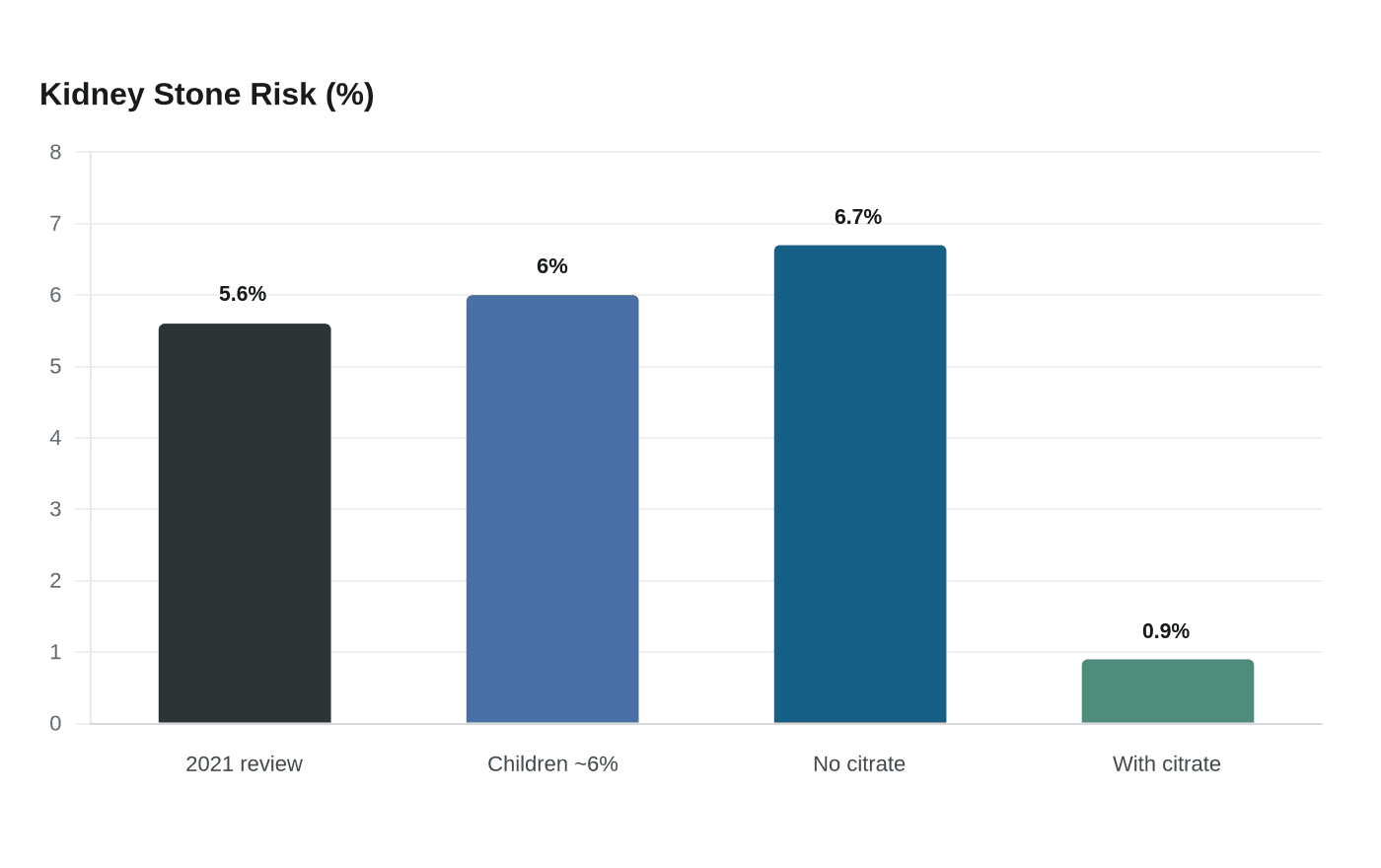
The 2007 review Kidney stones and the ketogenic diet: risk factors and prevention laid out the same basic message years ago, and the 2021 meta-analysis gave it sharper numbers. Keto can still be useful, but the 5.6% stone risk is a reminder that the smart move is to manage the complication before it shows up.
Every story on Keto Diet Magazine is assembled by an automated editorial system that works from verified research, official records, and credible reporting, then clears automated accuracy and moderation checks before it goes live. The standards that system follows are set and overseen by the people who run the publication. Read our full editorial policy.
Did this article answer your question?