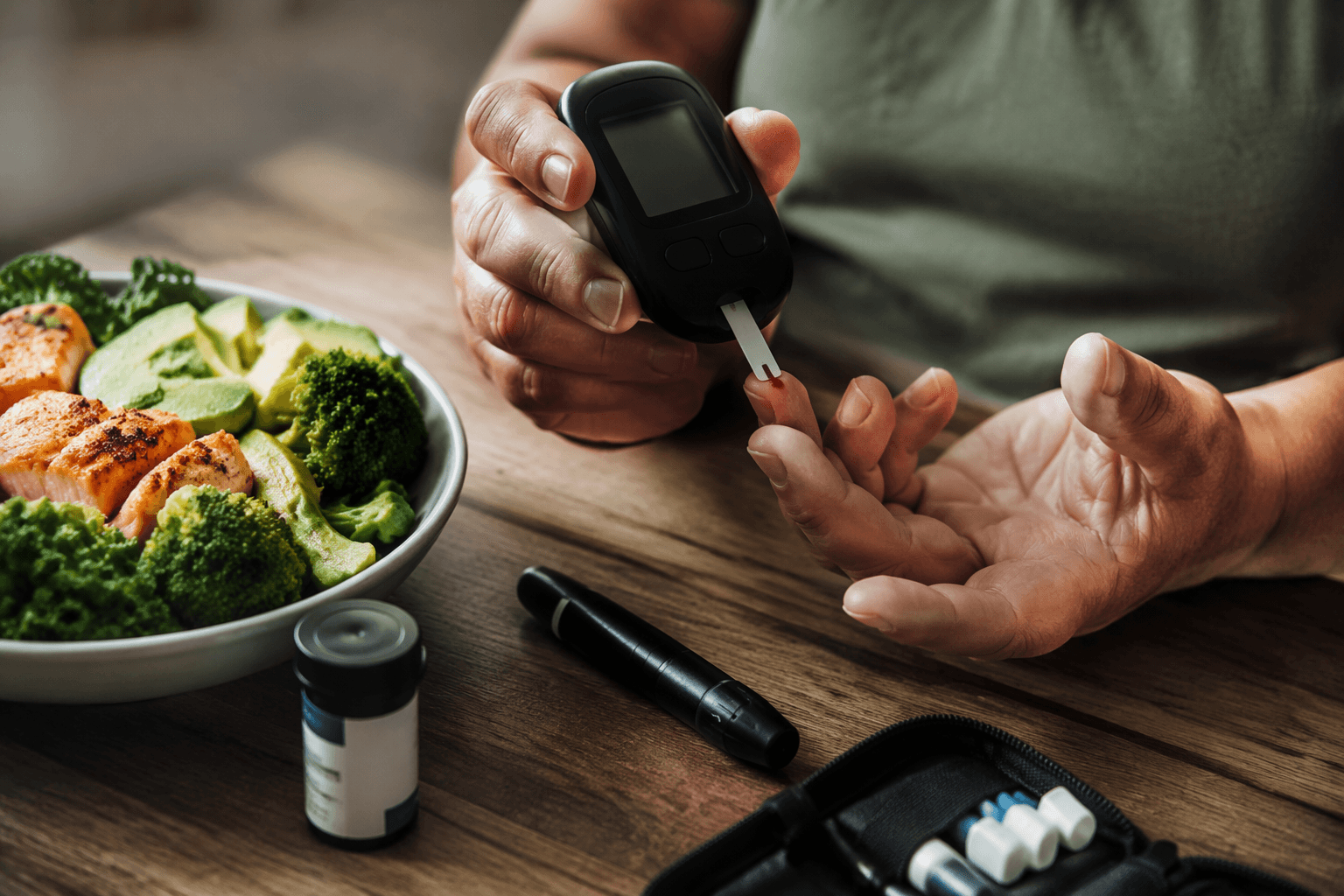
For keto-curious readers who are not ready to rewrite every meal, breakfast may be the easiest place to start. In a 16-week online program, adults with type 2 diabetes were taught to make breakfast or the first meal of the day very low in carbohydrate, and the average HbA1c dropped by 0.4 percentage points.
The abstract, listed as 2764-LB in Diabetes and dated June 1, 2026, came from Laura Saslow, Kaitlyn Raymond, Brandalyn Riedel, Amanda J. Arnold, Deanna Marriott, Annika Hansen, Lara Khadr, Daniel Y. Lee and Sarah Kim. The target meal was simple and very keto-friendly: less than 10 grams of non-fiber carbohydrate, about 20 to 30 grams of protein and roughly 350 to 500 calories. Participants all started with HbA1c of at least 7.0%, and the mean baseline HbA1c was 8.8% plus or minus 1.1%.
The group looked like a real-world diabetes crowd, not a handpicked fringe sample. Mean age was 61.1 years, 61.3% were women, and 115 of 119 participants completed the four-month follow-up, a 97% retention rate that is unusually strong for a nutrition behavior study. Satisfaction also ran high, with a mean score of 5.4 out of 6.0, suggesting the breakfast-only format was manageable enough for people to keep doing it.
That said, the design matters. This was a digital, nonrandomized pre-post program, so the result shows an association, not proof that the breakfast change alone caused the HbA1c drop. Still, the signal was clear: the mean change in HbA1c at four months was minus 0.4 percentage points, with a 95% confidence interval from minus 0.6 to minus 0.2 and p less than 0.001. For people who have watched full-day carb restriction fall apart by lunch, that is the appeal of this approach: a smaller, more repeatable change with a measurable metabolic payoff.
The result also fits with the broader direction of diabetes nutrition guidance. The ADA’s 2026 Standards of Care, released on December 8, 2025, include low-carbohydrate eating patterns among approaches with evidence for preventing type 2 diabetes. Earlier diabetes research has pointed the same way, including a 2023 randomized trial in Diabetes in which a low-carbohydrate breakfast improved continuous glucose monitoring measures versus a standard low-fat breakfast in people with type 2 diabetes.
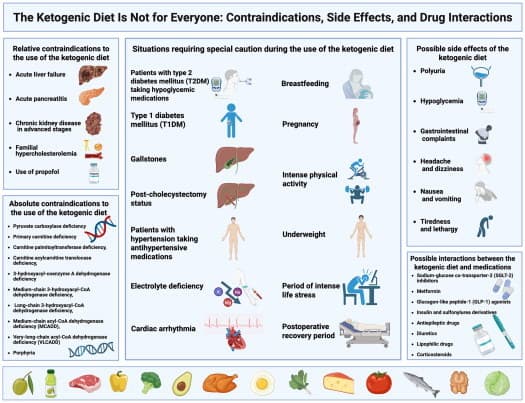
The practical takeaway is not that breakfast fixes everything. It is that a very low-carb first meal can be a realistic experiment, especially for anyone who wants a lower-friction entry point into keto-style eating and a plan to discuss with a clinician rather than a one-size-fits-all overhaul.
Every story on Keto Diet Magazine is assembled by an automated editorial system that works from verified research, official records, and credible reporting, then clears automated accuracy and moderation checks before it goes live. The standards that system follows are set and overseen by the people who run the publication. Read our full editorial policy.
Did this article answer your question?