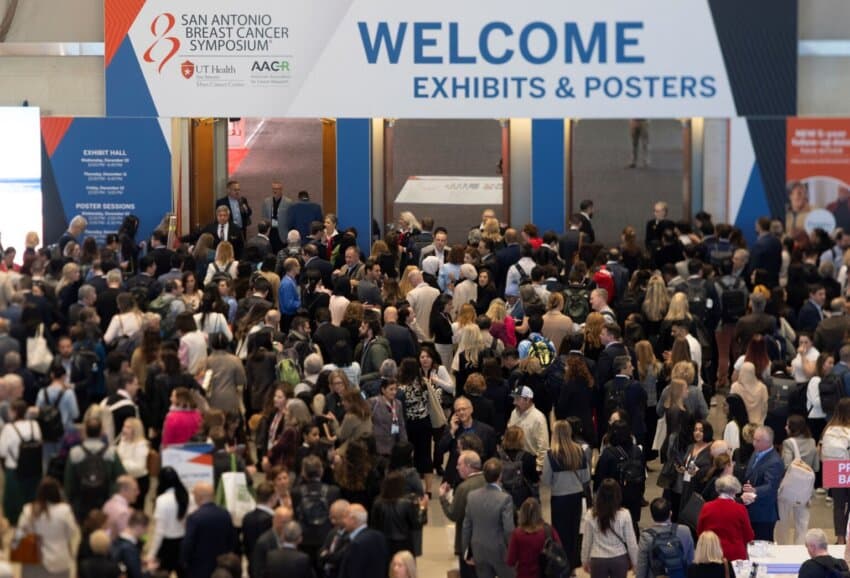
Ketogenic dieting has moved into a tightly controlled breast-cancer trial in San Antonio, where researchers are testing whether three weeks of carbohydrate restriction can change the tumor microenvironment before surgery. The updated ClinicalTrials.gov record for NCT07574671 describes the study as recruiting and frames it as an interventional project, not a lifestyle experiment.
The sponsor is The University of Texas Health Science Center at San Antonio, with Saba Shaikh listed as the responsible party. The trial is designed for people with early-stage breast cancer and has an estimated enrollment of just 12 participants, making it a small proof-of-concept effort rather than a definitive test of cancer treatment. ClinicalTrials.gov lists the study start date as April 2, 2026, with primary completion expected in 2027 and full completion in 2028.
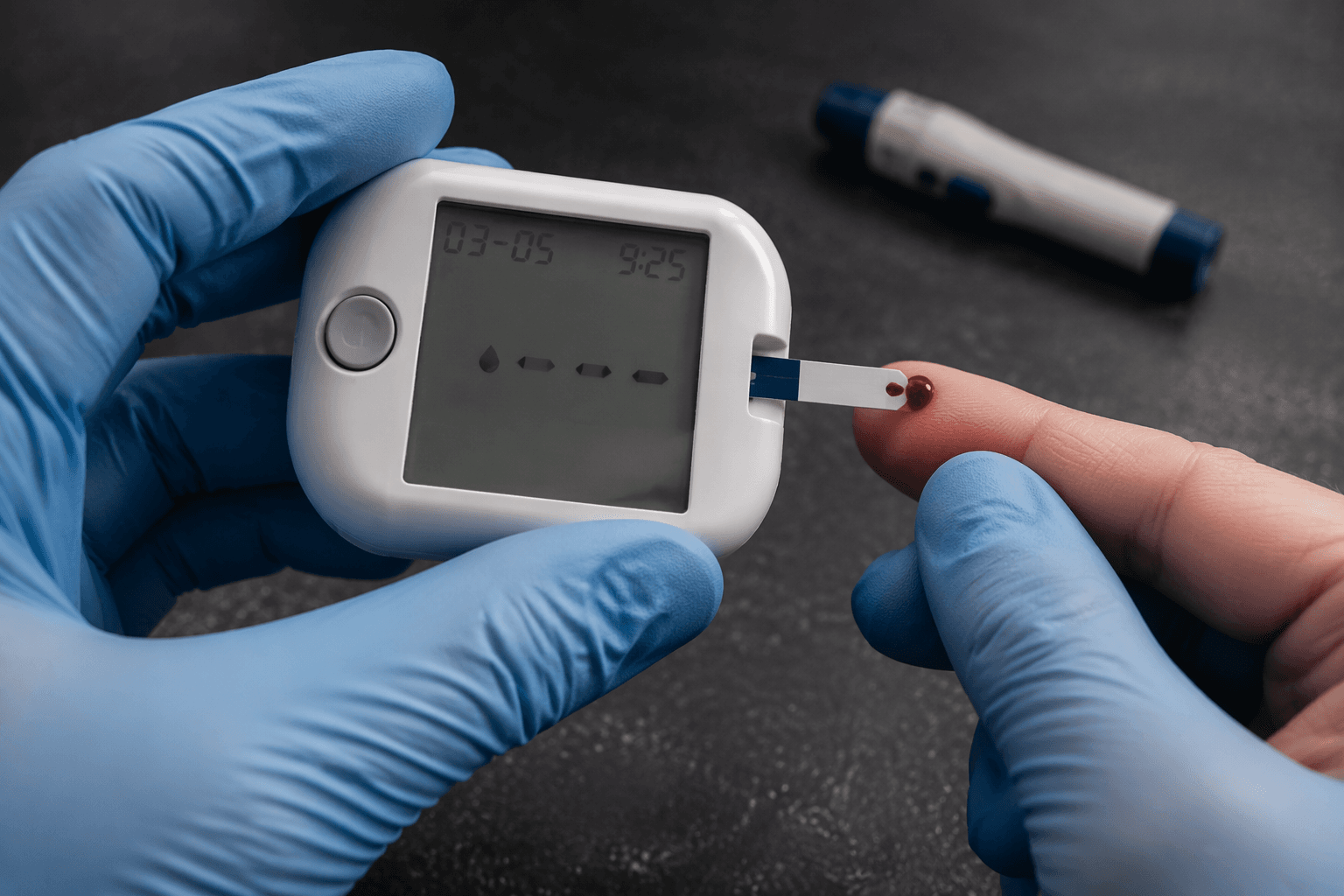
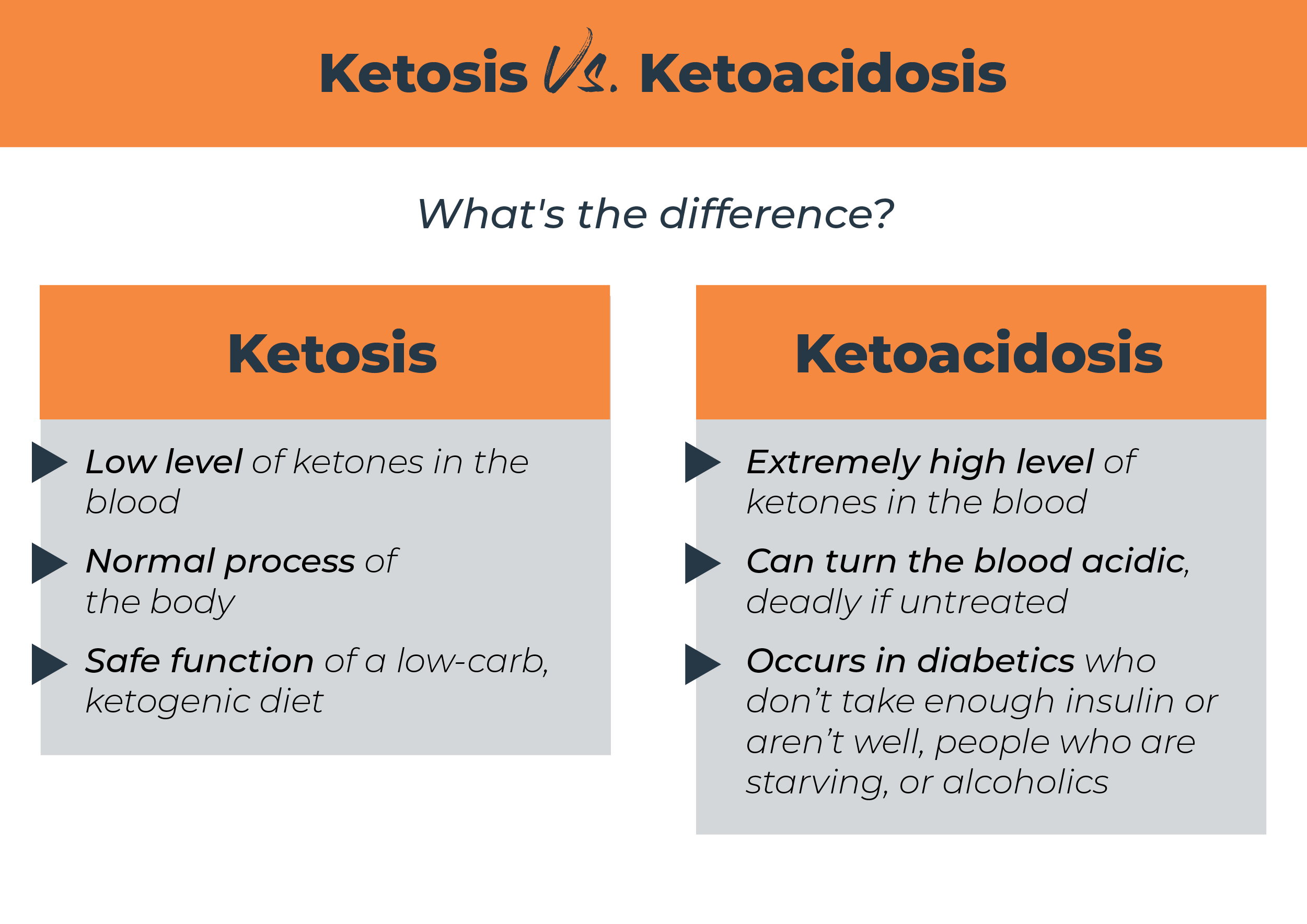
What makes the protocol notable is how closely it tracks biology. Participants are scheduled to follow a ketogenic diet for three weeks before surgery, and the study will monitor daily serum glucose and ketone levels alongside daily diaries that track food intake and physical activity. A dietitian will educate participants and provide written materials so adherence can be watched closely. The trial has no placebo group, underscoring that the goal is not to compare keto with a fake diet, but to see whether short-term carbohydrate restriction shifts markers around the tumor itself.
That narrow focus matters because the evidence for keto in breast cancer is still unsettled. A 2023 review said robust clinical trials proving ketogenic-diet efficacy in breast cancer are still lacking, and a 2025 systematic review found the evidence too mixed to establish firm conclusions about cancer-related outcomes. Earlier studies have largely been small and exploratory. The KETO-CARE trial, NCT03535701, enrolled women with stage IV metastatic breast cancer in a six-month personalized well-formulated ketogenic-diet intervention at Ohio State University Comprehensive Cancer Center in Columbus, Ohio, and concentrated on feasibility and metabolic outcomes. No study results have been posted for that trial.

The field also remains controversial on the lab side. A 2024 mouse study from Columbia University Herbert Irving Comprehensive Cancer Center in New York reported that a ketogenic diet increased metastasis in a breast-cancer model, a reminder that the science is not one-directional and that enthusiasm has to stay tethered to data.
For keto readers, the San Antonio trial is the clearest sign yet that the diet is being pushed into disease-specific research, with the tumor microenvironment as the target and the pre-surgery window as the test. That is hypothesis-driven medical research, not a signal for anyone with breast cancer to start keto on their own.
Every story on Keto Diet Magazine is assembled by an automated editorial system that works from verified research, official records, and credible reporting, then clears automated accuracy and moderation checks before it goes live. The standards that system follows are set and overseen by the people who run the publication. Read our full editorial policy.
Did this article answer your question?