Blood beta-hydroxybutyrate, or BHB, remains the benchmark for checking ketosis because it measures the main ketone circulating in the blood during nutritional ketosis. The hardest part of keto is often not eating low carb, but knowing whether your routine has actually tipped you into ketosis.
Why blood BHB still sets the standard
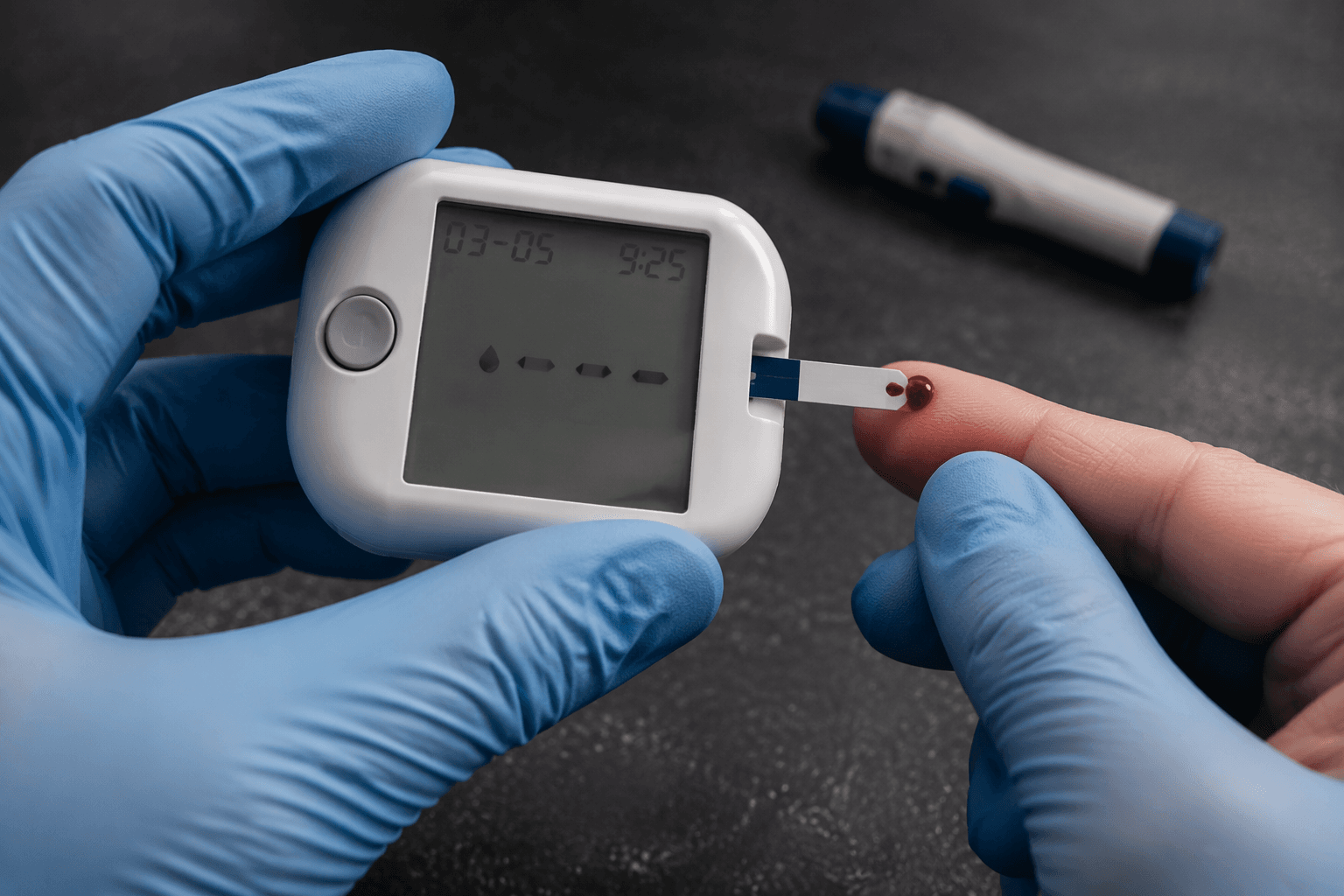
Finger-stick blood meters give the most direct, quantitative answer for home monitoring. That matters most when you are trying to troubleshoot a stalled diet, compare one change against another, or track a medical ketogenic diet with any precision. In epilepsy care, where ketone levels are used as part of therapeutic monitoring, blood BHB has long been the preferred readout.
A 2009 study found that blood beta-hydroxybutyrate correlated better with seizure reduction from ketogenic diet therapy than urine ketones did. In practical terms, blood testing tells you more about the ketones actually circulating and less about what happened to spill into a strip or linger in a cup.
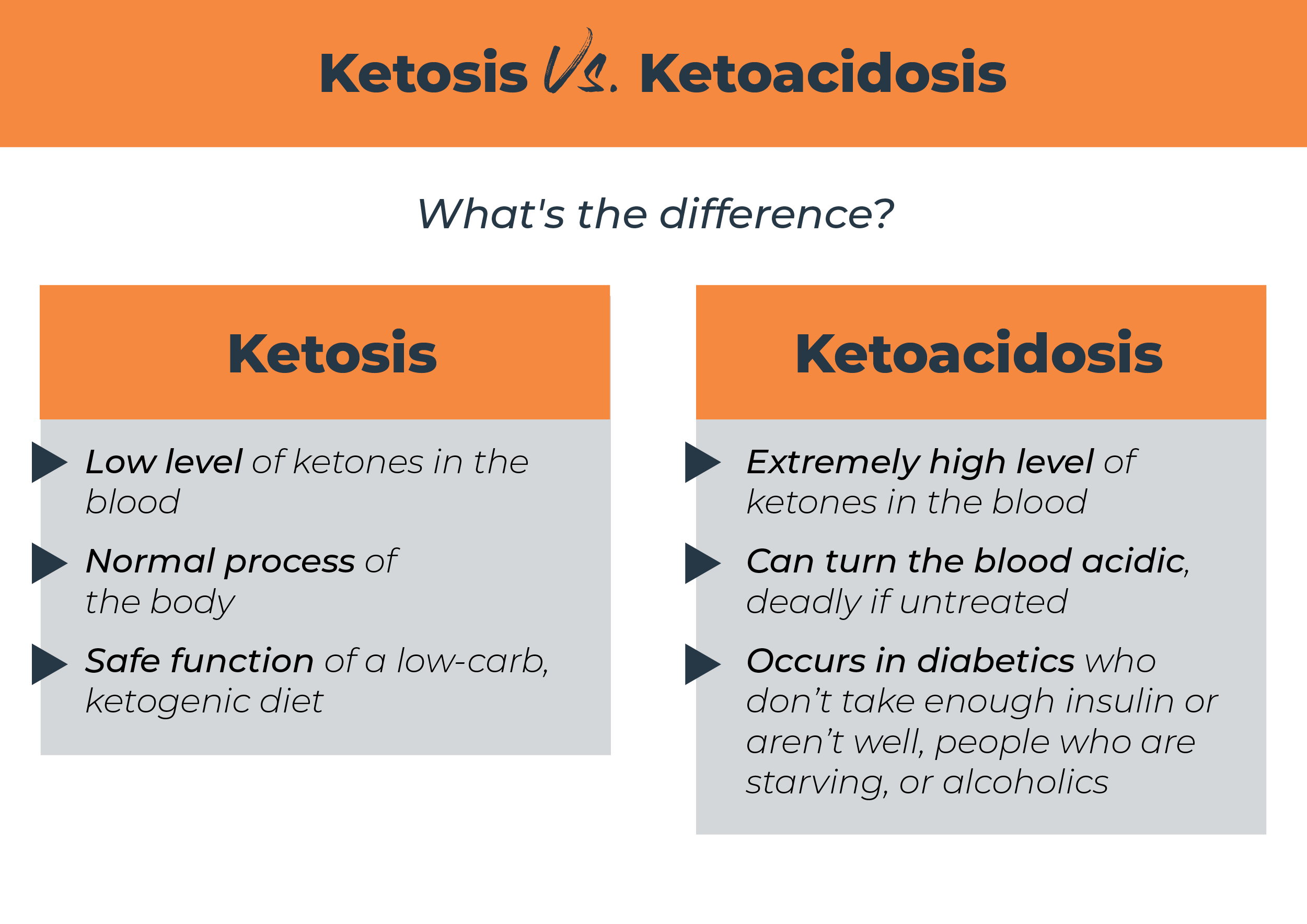
A 2024 review associated a blood BHB range of about 2 to 4 mmol/L with therapeutic ketosis in epilepsy, while another ketogenic metabolic context mentioned 4 to 5 mmol/L as a maintenance range. Medscape’s reference range places normal BHB below 0.4 to 0.5 mmol/L, levels above 1 mmol/L as needing further action, and levels above 3 mmol/L as critical and requiring immediate medical review.
Where urine strips still fit
Urine ketone strips are the familiar entry point because they are cheaper and easier. They measure acetoacetate, not BHB, which is a big reason they are less useful once someone is adapted to keto and using fat more efficiently. A 2010 paper and a 2020 article on ketogenic diet compliance both found urine testing less reliable than blood testing for ongoing monitoring.
Urine strips can still have a place in the first stretch of keto, especially if you want a quick, low-cost signal that ketones are showing up at all. They are useful as a rough early-stage indicator, but they are not the best tool for fine-tuning. They can also miss mild ketosis in some contexts, so a negative strip does not always mean your diet has failed.
Breath testing promises convenience, but accuracy varies
Breath analyzers appeal to a lot of keto users for one obvious reason: no finger prick. They measure acetone, another ketone-related marker, so they offer a noninvasive way to keep tabs on ketone production without blood sampling. That makes them attractive for daily use, especially if you hate lancets or need something easier to repeat often.
The tradeoff is performance. A 2021 study on a breath ketone analyzer found 94.7 percent sensitivity and 54.2 percent specificity for detecting ketosis at a blood ketone threshold of at least 0.6 mmol/L. Device design, hydration, and how the test is used can all affect the result, so a breath reading is best treated as a directional clue rather than a final verdict.
Why saliva testing is getting attention
Saliva is the newest contender, and the appeal is obvious for families or anyone tired of repeated finger sticks. In 2025, Monash University published findings from children starting ketogenic diet therapy for epilepsy, and the associated Epilepsia article, “Serial correlation between saliva and blood beta-hydroxybutyrate levels in children commencing the ketogenic diet for epilepsy,” linked salivary BHB closely with both serum and capillary blood BHB. In that work, salivary BHB tracked at about 6 percent to 7 percent of blood values.
Saliva is not a replacement for blood yet, but larger studies and point-of-care devices could make it a practical monitoring route. A novel saliva BHB point-of-care test for children receiving ketogenic diet therapy for epilepsy appeared in an American Epilepsy Society abstract.
How to think about cost, convenience, and timing
The real-world choice is less about which test is theoretically possible and more about what you need the reading to do. Urine strips are the cheapest and simplest way to get an early signal. Blood testing costs more hassle because it requires a meter and a finger stick, but it gives the clearest answer.
Timing matters too. If you are just starting keto and want to know whether ketones are rising, urine strips may be enough to confirm that something is happening. If you are trying to solve a plateau, compare meals, or manage a medical ketogenic diet, blood BHB is the more useful tool. If you want a less invasive option and can accept that the technology is still developing, saliva may eventually offer a middle ground, especially for repeated home checks.
Do not mistake a ketone number for the whole story
A single ketone reading does not equal diet success. The 2024 review that discussed different BHB targets for epilepsy and obesity shows that context changes the meaning of the number. A higher ketone reading is not automatically better, and a lower one does not automatically mean you are doing keto wrong.
Every story on Keto Diet Magazine is assembled by an automated editorial system that works from verified research, official records, and credible reporting, then clears automated accuracy and moderation checks before it goes live. The standards that system follows are set and overseen by the people who run the publication. Read our full editorial policy.
Did this article answer your question?