Why this review matters to the keto crowd
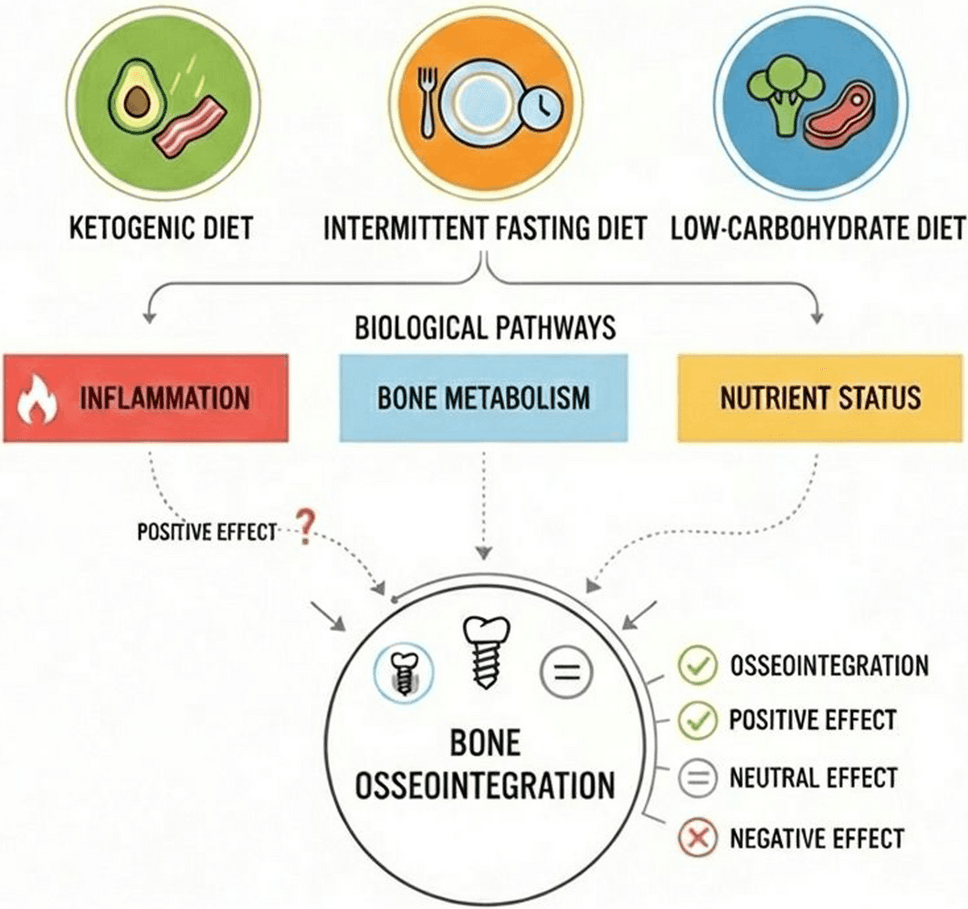
Dental implants usually sound like a mechanical story, but the body has to do the real work. A new review by Faris A. Alshahrani and Noha Taymour looks at whether ketogenic, intermittent fasting, and low-carbohydrate eating patterns could change the healing environment enough to affect osseointegration, the process where an implant fuses with bone.
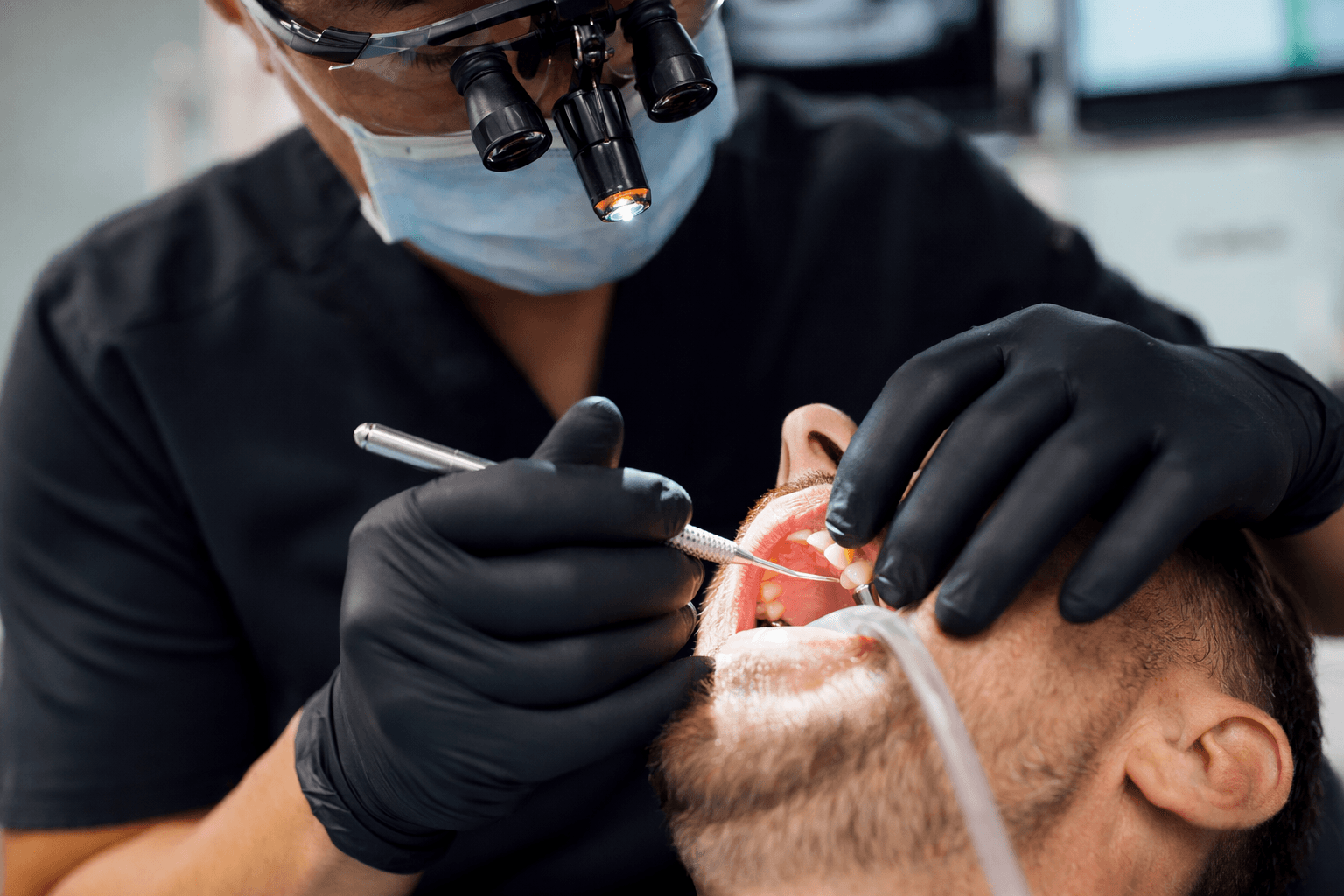
That question lands squarely in keto territory because so many people in this space think about protein, micronutrients, inflammation, and metabolic health as part of the diet playbook. The review does not claim keto helps or harms implants outright. Instead, it asks a narrower, more practical question: could the way you eat influence bone remodeling, inflammation, angiogenesis, and the early biology that makes an implant succeed or fail?
What the review actually looked at
The authors searched PubMed, Scopus, and Web of Science and pulled together evidence from 2010 through 2025. They did not limit themselves to human trials. They also included animal studies, mechanistic work, and systematic reviews, which matters because implant nutrition is still a field where a lot of the signal comes from indirect evidence.
That broad sweep is important for readers because it separates hypothesis from proof. A mechanism can look promising in a lab dish, or even in an animal model, without ever becoming a reliable clinical rule for people sitting in a dental chair. The review’s value is that it maps the terrain: where the biology looks interesting, where the data are thin, and where the jumps to real-world advice are still too big.
Where the biology gets interesting
The most plausible reasons keto or low-carb eating could matter are not magical fat-burning effects. They are the ordinary building blocks of recovery: enough protein, enough vitamin and mineral intake, and a body environment that supports bone turnover rather than suppressing it. The review points to bone health, inflammation, angiogenesis, and osseointegration as the main biological lanes where diet could plausibly exert an influence.
That is why this conversation should feel familiar to keto followers. If you eat lower carb but still hit protein, keep micronutrients in range, and avoid accidental under-fueling, your diet may look very different from someone who is simply eating less overall. The review’s caution is that these details matter, and the phrase “keto” alone tells a surgeon very little about what healing support, or healing risk, is actually in play.
What human evidence really says
This is where the story gets more restrained. The review’s bottom line is that human clinical data are sparse, so firm dietary recommendations around implant surgery are not justified yet. In other words, there is no solid basis for telling every keto eater to stop keto before an implant, and no solid basis for telling every keto eater that their diet will improve osseointegration either.
The strongest human signal in the broader implant nutrition conversation still seems to be vitamin D, not keto itself. A 2024 systematic review on vitamin D and dental implant osseointegration included seven human studies, 1,462 participants, and 4,450 implants. Across those studies, implant loss rates ranged from 3.9% to 11.4%, which is a wide spread that hints at complexity rather than a simple yes-or-no answer. A 2022 systematic review came to an even more cautious conclusion, finding that evidence on vitamin D deficiency or supplementation and implant osseointegration in humans and animals was limited and mixed.
That background helps explain why the keto review stops short of dietary commandments. If one of the most discussed nutrients in implant medicine still lacks clean consensus, it is no surprise that keto-specific guidance is even less settled.
Intermittent fasting is not all-or-nothing
The fasting piece deserves its own lane because “intermittent fasting” is often used as if it were one thing. The review draws on a 2023 British Journal of Nutrition analysis that treated 5:2 dieting, alternate-day fasting, and time-restricted eating as distinct patterns, not interchangeable labels. That distinction matters because the metabolic effects, and possibly the bone effects, can differ by regimen.
The same review framed intermittent fasting as promising for weight loss and metabolic health, but said its effects on bone health are still unclear. The new implant review echoes that caution while adding one useful practical point: moderate intermittent fasting does not appear to damage systemic bone markers in the short term. That is not the same as proving safety for implant healing, but it does help separate a reasonable fasting pattern from more extreme nutritional depletion.
For keto readers, the takeaway is less about fasting as a trend and more about fuel availability. If fasting windows, low appetite, or post-op discomfort push protein intake too low, the issue may be under-eating rather than fasting itself.
What this means before and after implant surgery
The most practical message for implant patients is simple: do not assume your eating pattern is irrelevant, but do not overread the science either. The review points to major gaps around peri-implant mechanisms, comparative trials, and the best timing for dietary interventions around surgery and healing. Those gaps matter because the body’s needs before placement, right after surgery, and during bone integration may not be identical.
A 2026 scoping review on dietary factors and nutrients in implant success suggests this is part of a broader shift in dentistry toward looking at nutrition more seriously. That future likely includes more individualized counseling for patients with metabolic disease, bone-health concerns, or restrictive eating plans. For now, the evidence says nutrition belongs in the conversation, but not in a one-size-fits-all rulebook.
Questions worth bringing to your oral surgeon
Before you change your keto, low-carb, or fasting routine around implant surgery, bring specific questions, not vague diet labels. The most useful conversation is about the details that affect healing.
- Am I getting enough protein in the days before and after surgery?
- Should I pause time-restricted eating if it makes it harder to eat enough after the procedure?
- Do you want me to pay special attention to vitamin D, calcium, or other micronutrients?
- If I have diabetes, osteopenia, or another bone-health issue, does that change your advice?
- Are there any signs that my current eating pattern could slow wound healing or make recovery harder?
That is the kind of check-in the evidence supports right now. The review does not hand keto followers a ban or a green light. It points to a more useful conclusion: diet may matter to implant healing, but the real-world answer depends on protein, micronutrient status, and the specifics of your health, not on keto branding alone.
Every story on Keto Diet Magazine is assembled by an automated editorial system that works from verified research, official records, and credible reporting, then clears automated accuracy and moderation checks before it goes live. The standards that system follows are set and overseen by the people who run the publication. Read our full editorial policy.
Know something we missed? Have a correction or additional information?
Submit a Tip