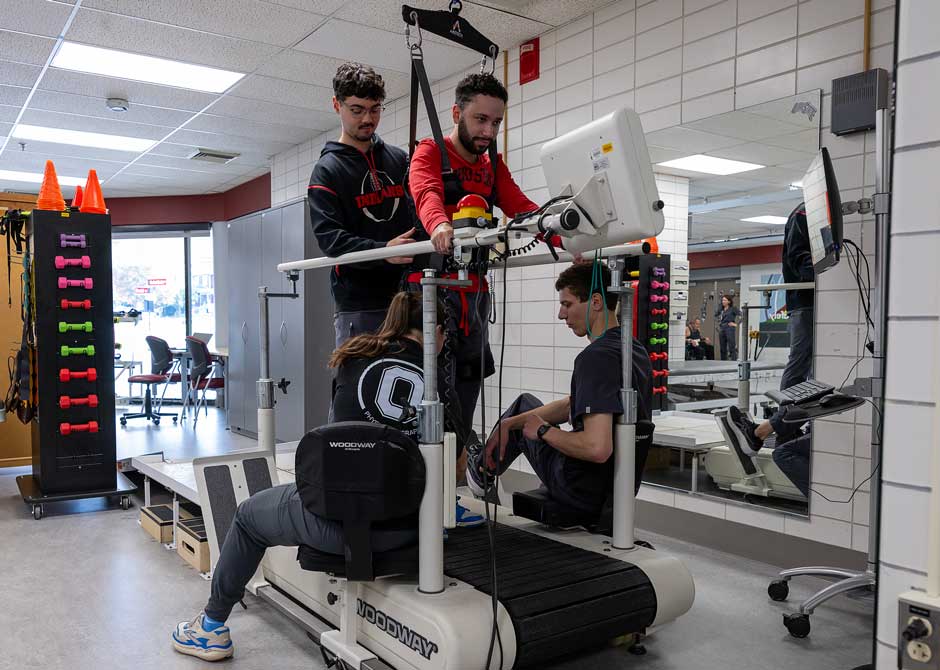
A ketogenic diet is back in the spinal cord injury conversation, but the latest work reads more like a cautious step forward than a breakthrough. A study in Archives of Physical Medicine and Rehabilitation examined ketogenic diet versus standard hospital diet for neurologic recovery, metabolic function and inflammatory markers in patients with acute spinal cord injury, pushing the question of whether keto can do more than support epilepsy care and metabolic health.
That matters because spinal cord injury still has no reliably effective nutritional therapy, and standard rehabilitation often leaves patients with major motor and functional deficits. The Ohio State research program behind this work, including Pro-SCI in Columbus, is trying to find out whether ketosis can change the inflammatory and metabolic environment after injury enough to support recovery. The idea is not that a casual home keto plan can do the job. This is tightly supervised clinical ketogenic feeding, built around hospital care, lab monitoring and rehabilitation protocols.
The new paper builds on a 2018 pilot randomized safety-and-feasibility trial that enrolled seven people with acute complete and incomplete spinal cord injury. Four were assigned to ketogenic diet and three to standard diet. Neurological exams and blood samples were collected within 72 hours of injury and again before discharge. The ketogenic plan delivered roughly 70% to 80% of total energy from fat. In that small study, upper-extremity motor scores were higher in the ketogenic group, serum fibrinogen was lower and lysoPC 16:0 was higher, giving researchers a signal that the diet might influence both function and inflammation during the most fragile phase of recovery.
Those findings have fed into a larger Ohio State effort led by Ceren Yarar-Fisher, an associate professor in Physical Medicine and Rehabilitation and vice chair of research in the Belford Center for Spinal Cord Injury. Her lab says it is testing nutritional and rehabilitation strategies to improve neurorecovery, metabolic and bowel function, and microbiome composition. The broader Pro-SCI portfolio also includes related low-carbohydrate and high-protein diet studies and microbiome work in chronic spinal cord injury.
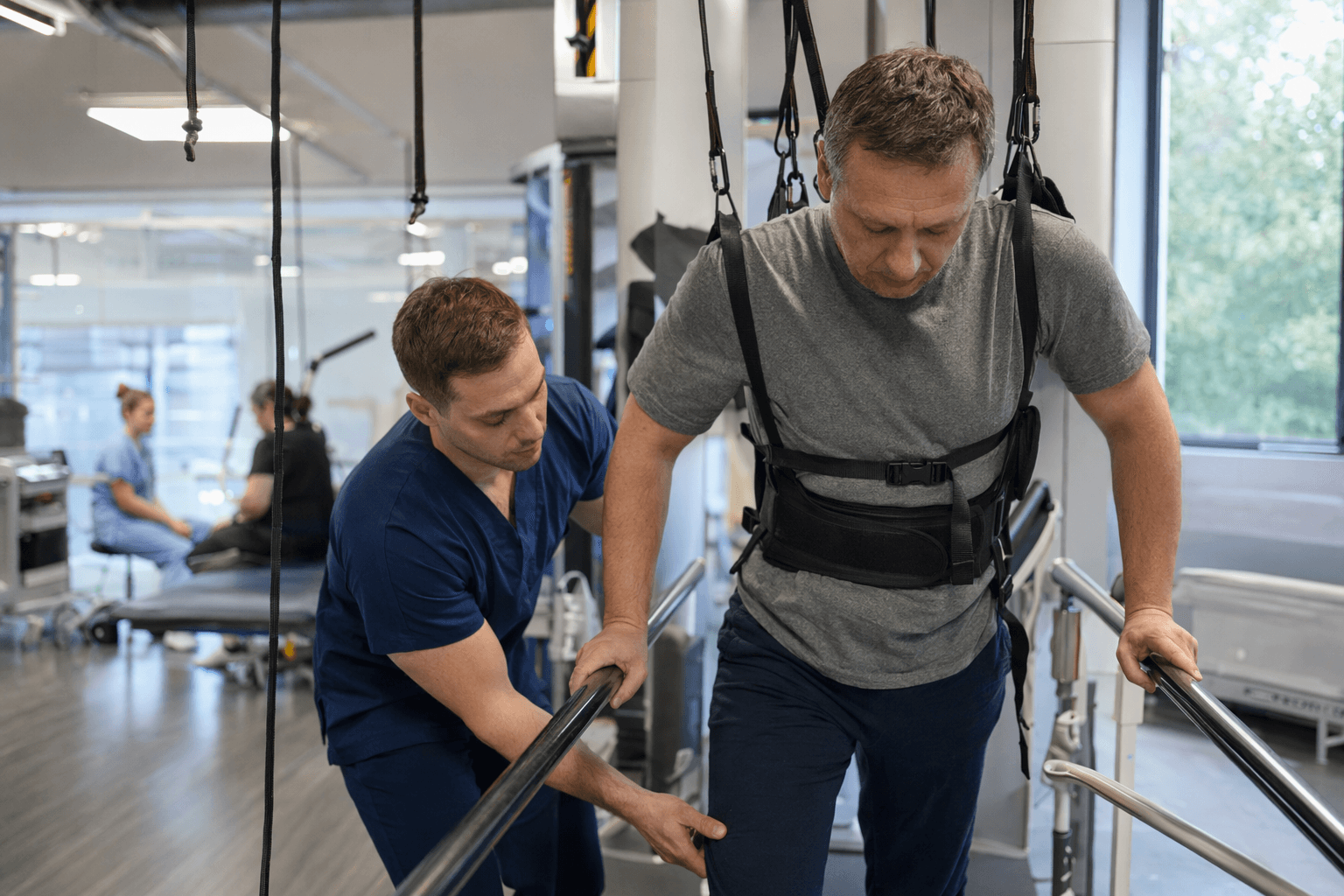
The biggest current test is ClinicalTrials.gov NCT03509571, Ketogenic Diet to Improve Neuro-recovery, a recruiting Ohio State-sponsored trial designed to see whether five weeks of ketogenic diet versus standard diet improves motor and sensory function, glycemic function and functional independence. The registry says acute spinal cord injury remains a major cause of disability and mortality, and that even small neurological gains can matter. It also points to ketone bodies as potentially neuroprotective by reducing oxidative damage, neuroinflammation, glutamate excitotoxicity and apoptosis.
A 2025 American Congress of Rehabilitation Medicine poster suggests the field has advanced far enough for conference-stage discussion, but the practical reality check remains the same: the evidence is still early, the studies are small, and the key question is whether promising lab and motor signals can become durable functional recovery in larger trials.
Every story on Keto Diet Magazine is assembled by an automated editorial system that works from verified research, official records, and credible reporting, then clears automated accuracy and moderation checks before it goes live. The standards that system follows are set and overseen by the people who run the publication. Read our full editorial policy.
Did this article answer your question?