Keto breath is often one of the first clues that your body has shifted into ketosis, and it can be more noticeable than any weight-loss progress. The smell can come on as sweet, fruity, or metallic, which makes it distinct from ordinary morning breath and easy to spot in the early weeks of a keto reset.
Why keto breath happens
The basic mechanism is metabolic. When you cut carbs hard enough, your body produces ketones for fuel, including acetone, and some of that acetone leaves through your lungs when you exhale. That is why the breath can take on a different odor even if your teeth feel fine and your routine has not changed.
Dental Hygienist London notes that the smell is often strongest in the first weeks after starting keto, when ketone production is highest. Over time, many people find it softens as the body becomes more efficient at using ketones, but that does not happen on the same schedule for everyone.
What that smell can tell you
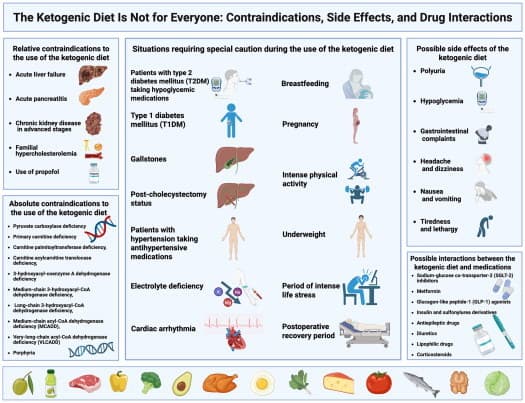
The telltale odor is not just a nuisance, it is also a sign that the diet is doing what keto is meant to do. Mayo Clinic describes keto as a very-low-carbohydrate, high-fat eating pattern and lists bad breath among its short-term side effects. Breath acetone sensing research backs up the biology here, showing that acetone in breath can be detected in the ketosis range, roughly 1 to 66 ppm.
That said, keto breath is not a free pass to ignore every other cause of halitosis. A systematic review on bad breath found that odor can stem from oral disease or respiratory conditions, and that about 40% of affected people had no underlying organic disease. In plain terms, if the smell lingers, gets worse, or feels different from the usual keto odor, it deserves attention instead of assumption.
When it is temporary, and when it is a warning
For most keto eaters, keto breath is a temporary side effect of adaptation. It tends to be most obvious early on, and it may fade as ketone use stabilizes. The more important distinction is between a harmless ketosis smell and fruity-smelling breath that appears alongside symptoms of a medical emergency.
NHS guidance on diabetic ketoacidosis says fruity-smelling breath can be a warning sign when it comes with thirst, frequent urination, confusion, or vomiting. That is not the same as normal keto breath. If those symptoms show up together, the issue is no longer lifestyle odor control, it is urgent medical care.
How keto can affect the mouth beyond breath
Dental Hygienist London pushes the conversation past the gross-out factor and into the mouth itself, and that is where keto gets more interesting. Ketosis may change saliva production, gum health, and the balance of bacteria in the mouth. Those shifts matter because saliva is not just moisture, it is a central fluid in oral health and disease, and a practical medium for studying oral microbiota.
Lower carbohydrate intake may also reduce the fuel available to oral bacteria, which could be a benefit for some people. But the oral environment still changes enough that hydration and daily care matter more, not less. Keto may reduce one type of bacterial fuel while creating a drier, more odor-prone mouth if you are not keeping up with fluids and hygiene.
The research picture is still mixed, but it is reassuring in one important way. A six-week study of 20 generally healthy adults found no major short-term change in periodontal parameters during a ketogenic diet when oral hygiene was maintained. That does not prove keto is neutral for everyone, but it does suggest that the diet itself is not automatically rough on gums if you keep your mouth care tight.
Damage control without sneaking carbs back in
The goal is not to “fix” keto breath by adding back sugar or starch. It is to reduce the odor while staying in the lane that makes keto work in the first place. The best approach is basic oral support, because the same habits that help with breath also support gum health.
- Drink enough water through the day to keep dryness down.
- Stay disciplined with brushing and flossing so bacteria do not get a head start.
- Pay attention to your tongue and gums, not just your teeth, because odor often comes from the broader oral environment.
- Watch for signs of dry mouth, since less saliva can make bad breath more stubborn.
- If breath changes suddenly or smells fruity along with other symptoms, do not assume it is just keto adaptation.
Breath-acetone monitoring research also suggests that ketosis can be tracked non-invasively, which is another reminder that the smell is tied to a real metabolic state, not a hygiene myth. But the practical takeaway is simpler: keto breath can be a normal part of the process, while persistent halitosis, gum irritation, or dry mouth are signs to tighten your routine and look beyond ketosis itself.
Keto breath is often the first visible, or rather smellable, sign that the diet is working as intended. If you know why it happens and keep hydration and oral care front and center, you can stay on plan without letting the mouth side effects hijack the experience.
Every story on Keto Diet Magazine is assembled by an automated editorial system that works from verified research, official records, and credible reporting, then clears automated accuracy and moderation checks before it goes live. The standards that system follows are set and overseen by the people who run the publication. Read our full editorial policy.
Did this article answer your question?