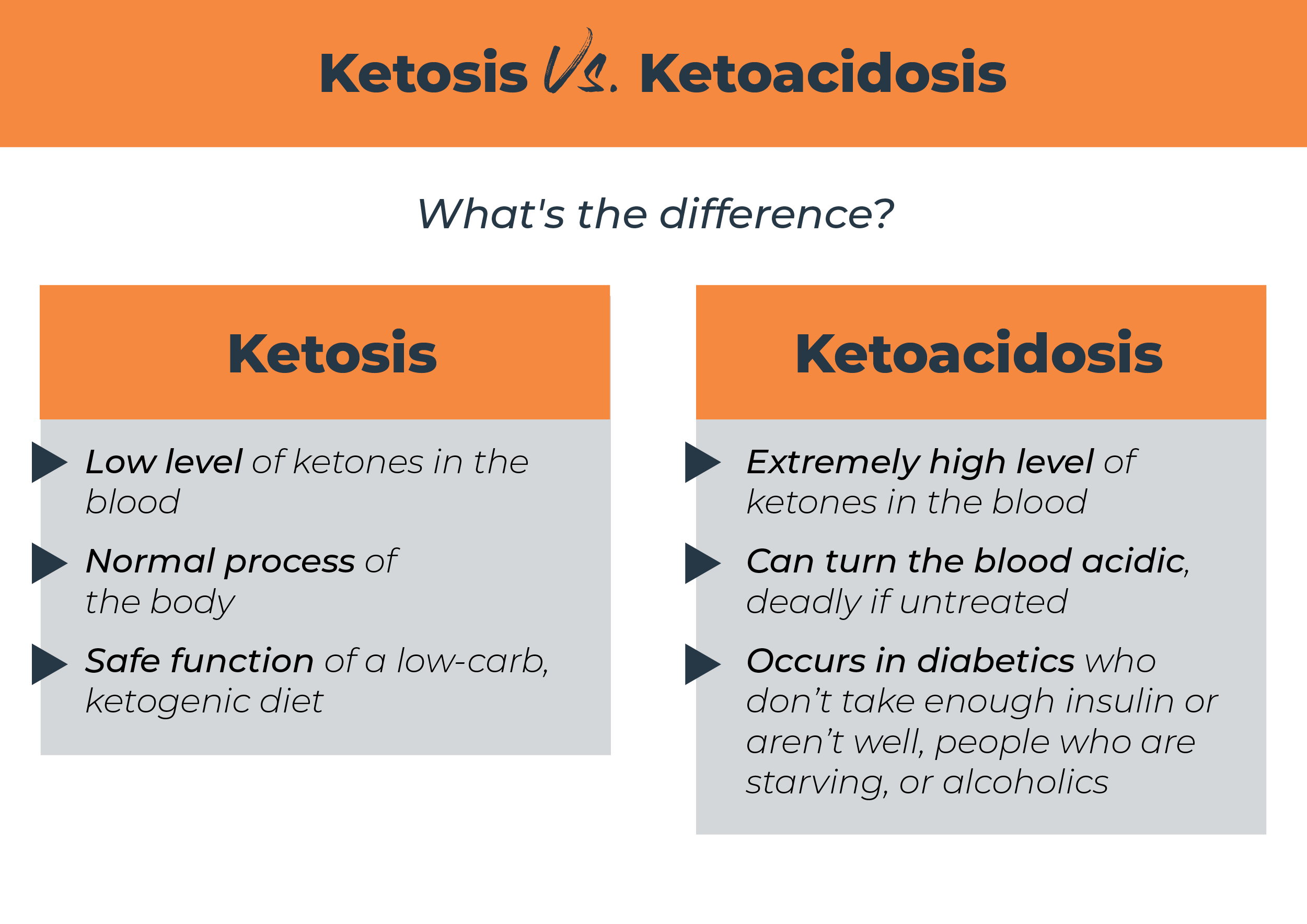
Keto is not just “eat fewer carbs.” Diet Doctor frames it as a very low-carb, high-fat pattern that pushes your body into ketosis, where the liver turns fat into ketones and you begin burning fat for fuel. That shift can lower insulin, improve access to stored body fat, and help some people manage weight, type 2 diabetes, and metabolic syndrome.
What keto is actually doing
The appeal of keto is partly mechanical: the rules are clear. When carbohydrate intake drops sharply, glucose stops being the body’s main fuel and fat takes over, which is the metabolic switch Cleveland Clinic defines as ketosis. Diet Doctor’s beginner guide makes that process feel less mysterious by spelling out the chain reaction, less carbohydrate, more fat use, ketones in the bloodstream, and often a noticeable drop in insulin.
That insulin piece matters because it helps explain why people report feeling less hungry on keto. When insulin falls, some people find it easier to tap stored body fat, and that can make the diet feel more structured than restrictive. The catch is that keto is not a vague “clean eating” reset, it is a deliberate metabolic change, and that means the first week deserves a plan.
Your first week on keto
The smartest way to start is to treat week one like onboarding, not improvisation. Pick the version you are actually going to follow, decide what your meals will look like, and keep your carb intake tight enough that your body is pushed toward ketosis rather than hovering in a half-committed low-carb zone. The point is not to chase perfection, it is to make the diet specific enough to work.

1. Choose your lane. Standard keto is the baseline version and the one most people picture when they say “keto.” If you want more flexibility, Diet Doctor also describes targeted keto, cyclical keto, and a higher-protein version.
2. Build meals around fat, with enough protein. Keto is high-fat by design, but that does not mean protein disappears.
Diet Doctor’s note that there is a higher-protein version is useful for beginners who want a little more room to work with while still keeping carbs very low.
3. Keep carbs sharply limited from the start. The first week is not the time to “see how it goes.” You are trying to change fuel sources, so consistency matters more than experimenting with borderline meals.
4. Plan for the side effects before they show up. Diet Doctor groups electrolyte supplementation and keto flu with the diet for a reason, and Cleveland Clinic notes that ketosis can come with keto breath and constipation.
If you are blindsided by those early bumps, it is much easier to quit than to adjust.
Standard, targeted, cyclical, and higher-protein
The standard ketogenic diet is the version most closely associated with the classic keto setup: very low carbohydrate intake, high fat, and enough protein to keep meals workable. That is the form most beginners mean when they say they are “doing keto,” and it is also the cleanest place to start if you want the rules to stay simple.

Targeted keto and cyclical keto add flexibility. Targeted keto is for people who want some carbohydrate timing built around specific needs, while cyclical keto uses planned periods of stricter keto alongside periods of higher carb intake. Those variants are less about changing the core idea and more about changing how rigidly you apply it. Diet Doctor also notes that the standard and higher-protein versions are the ones most thoroughly studied, which is worth remembering if you like to stick close to the evidence.
Who should talk to a clinician first
This is the part that should not be an afterthought. Diet Doctor flags medication use, especially for high blood pressure and diabetes, as a situation where medical supervision may be needed because doses can have to change. That matters because keto can affect blood sugar and blood pressure quickly enough to make a once-stable medication plan too strong.
Breastfeeding is another major caution point. Diet Doctor lists breastfeeding as a situation where keto may not be appropriate, and NHS breastfeeding guidance says you do not need a special diet while breastfeeding. If you are nursing, that alone is a strong reason to slow down and get individualized advice before you change your eating pattern.
Heart health is another reason to get personal guidance instead of relying on internet enthusiasm. Mass General Brigham notes that diets high in butter, cream, and fatty meats can raise LDL cholesterol in some people on keto, and elevated LDL is especially concerning if you already have heart disease or higher cardiovascular risk. The University Hospitals Cambridge NHS Foundation Trust also describes ketogenic diets as medically supervised, very low-carbohydrate, high-fat diets used for drug-resistant epilepsy and certain metabolic conditions, which is a good reminder that this is a clinical tool as much as a lifestyle choice.
The mistakes that make beginners quit
Most first-week blowups are predictable. People underprepare for electrolyte shifts, ignore constipation, are surprised by keto breath, or assume the diet is just about loading up on fat without paying attention to the rest of the picture. Another common mistake is starting while on diabetes or blood-pressure medication and assuming the old doses will still fit.
There is also a psychological mistake: treating keto like a casual cleanup of your plate instead of a structured intervention. The diet’s clear rules are part of its appeal, but those same rules are what make it work. Once you understand that the carb ceiling, the fat-protein balance, and the medication cautions all belong to the same system, the early friction makes more sense.
Why the diet keeps drawing people in
Keto is not a new fad wrapped in a new vocabulary. Harvard Health says ketogenic diets have been used in medicine for almost 100 years to treat drug-resistant epilepsy, especially in children, and notes that Dr. Atkins helped push very-low-carbohydrate eating into modern diet culture in the 1970s. That history helps explain why keto can feel both old-school and trendy at the same time.
For a newcomer, the most useful takeaway is simple: the first week is about setting up the metabolic switch without tripping over avoidable problems. Keep carbs tightly controlled, choose the version that fits your life, and treat meds, breastfeeding, electrolytes, and cholesterol as part of the plan from the start. That is how keto stops feeling like a gamble and starts feeling like a system.
Every story on Keto Diet Magazine is assembled by an automated editorial system that works from verified research, official records, and credible reporting, then clears automated accuracy and moderation checks before it goes live. The standards that system follows are set and overseen by the people who run the publication. Read our full editorial policy.
Did this article answer your question?