The cheapest myth in keto is that it has to look expensive. Once you stop filling the cart with specialty flour, branded snacks, and premium cuts, low-carb eating starts to look less like a luxury plan and more like a smart grocery strategy. Keto Diet Corner’s budget approach makes that case plainly: a sample day can come in under $9, and a disciplined weekly setup can stay under $60.
The budget myth that keeps people out of keto
A lot of people never try keto because they picture a second mortgage in the produce aisle. They imagine steaks every night, shelves of niche substitutes, and a steady stream of “keto” products that cost more than the foods they are trying to replace. That picture misses the point. Budget keto works by leaning on cheap, reliable staples, then building meals around them with enough structure to keep carbs low and spending predictable.
The real shift is mental as much as nutritional. Instead of shopping for labels, you shop for ingredients: eggs, ground meat, butter, and low-carb vegetables. That is how the weekly bill gets under control, and it is why the affordability conversation matters so much for anyone who has dismissed low-carb eating as a rich person’s experiment.
Build the cart around foods that already fit the plan
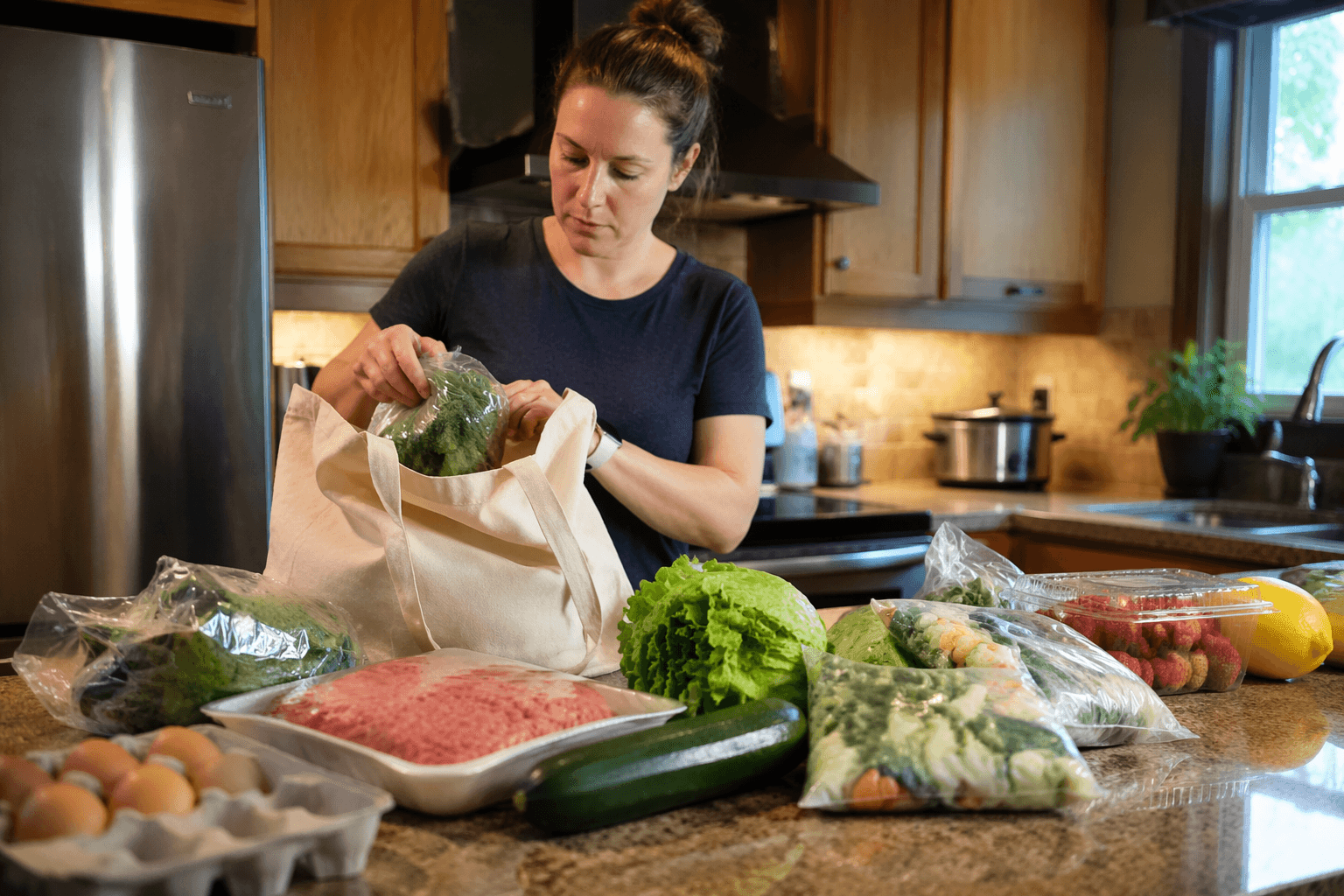
The budget version of keto is not a hunt for the fanciest substitute. It is a whole-food shopping list with a short memory for trends. Eggs do a lot of heavy lifting here because they are inexpensive, filling, and versatile. Ground meat stretches well, butter adds calories and flavor without adding carb baggage, and low-carb vegetables keep meals from feeling like an endless line of omelets.
Frozen vegetables deserve a permanent place in the cart because they are cheap, easy to portion, and less likely to spoil before you use them. The American Heart Association also points to frozen and canned produce without added sugar or extra sodium as a practical way to eat well on a budget, alongside planning ahead, building menus and grocery lists, and cooking on the weekends. That advice fits keto neatly because the same habits that cut food waste also keep low-carb meals from turning into last-minute takeout.
- Buy proteins that are naturally inexpensive instead of chasing “keto” labels.
- Use frozen vegetables to keep costs down and prep time short.
- Cook from a menu, not from hunger and impulse.
- Skip novelty snacks that feel convenient but quietly blow up the budget.
- Buy in bulk when the food will actually get used.
A few habits make the difference:
Where keto budgets get blown up
Most overspending in keto comes from trying to make the diet look more complicated than it needs to be. Specialty flours, packaged dessert replacements, and branded snack foods can all feel like shortcuts, but they are usually the fastest route to an expensive grocery run. The same goes for premium meat choices when a cheaper ground option would do the job just as well in a skillet, casserole, or lettuce wrap.
That is why the “keto label” can be so misleading. A food being low-carb does not make it a good budget buy. The cheapest keto plate is often the least glamorous one: protein, fat, and vegetables assembled with repetition and intention, not novelty.
Why the nutrition world takes the cost question seriously
The broader medical conversation backs up the idea that cost is a real barrier, not just a shopping excuse. The American Diabetes Association says low-carbohydrate and very-low-carbohydrate eating plans are among the more robustly studied patterns for prediabetes and type 2 diabetes. The same guidance also notes that low-carb research uses many different definitions and that long-term sustainability can be challenging.
A 2020 review in Diabetes Spectrum also describes low-carbohydrate diets as a pattern that has been advocated for weight loss and for preventing and treating type 2 diabetes. That does not make keto automatic or easy, but it does explain why budget-conscious low-carb eating keeps showing up in serious nutrition discussions instead of being treated like a fad pantry trick.
Eggs are another reason the budget case keeps getting stronger. A PubMed-indexed study found that eggs are highly cost-efficient for delivering protein and choline, and they also score well for vitamins A, D, and E. For a keto shopper trying to get the most nutrition for the least money, that matters. Eggs are not just cheap calories. They are one of the most efficient foods in the aisle.
The caution that keeps the guide honest
Budget keto may be accessible, but it is not one-size-fits-all. Medical literature has warned that ketogenic diets can worsen hypercholesterolemia in some people. A 2025 review also reported that ketosis-related illnesses, including diabetic ketoacidosis, can occur in susceptible individuals on very low-carbohydrate and ketogenic diets. That means the diet has to be matched to the person, not just the price tag.
Cost-effectiveness is also more complicated than a cheap grocery receipt. A 2005 study found that a low-carbohydrate diet was not more cost-effective than a standard diet for weight loss in the population studied. And a recent 24-month analysis in 550 veterans with type 2 diabetes and overweight or obesity, conducted through the Veterans Health Administration and paired with virtual coaching, shows that the conversation now includes clinical outcomes and costs together, not just what lands in the cart.
That is the useful middle ground here: keto does not need to be a luxury diet, but it also should not be sold as a miracle way to eat cheaply without planning. The American Heart Association’s budget advice, the American Diabetes Association’s emphasis on structured eating patterns, and the research on eggs all point in the same direction. If you build meals from ordinary ingredients, cook ahead, and stop paying extra for keto theater, the diet becomes a lot more reachable.
The affordability myth falls apart once the grocery list gets honest. Keto can stay under $60 a week because the best version of it is not made of expensive substitutes at all, but of simple foods that already know how to do the job.
Every story on Keto Diet Magazine is assembled by an automated editorial system that works from verified research, official records, and credible reporting, then clears automated accuracy and moderation checks before it goes live. The standards that system follows are set and overseen by the people who run the publication. Read our full editorial policy.
Did this article answer your question?