Brittania’s take lands because it names the exact thing that makes keto controversial: it is built around restriction, and restriction sells. When a diet promises fast weight loss or other health benefits through narrow, unconventional rules, it starts to resemble the classic fad-diet template, and Britannica puts the ketogenic diet in that same family as Atkins, paleo, grapefruit, cabbage soup, detox-style regimens, liquid diets, South Beach, carnivore, and raw-food approaches. That does not mean keto is fake. It means keto lives in the uneasy space where a real metabolic strategy can still be packaged like a miracle answer.
Why keto gets labeled a fad
The fad-diet label usually follows a familiar script. A plan is marketed as a shortcut, built around hard rules, and often sold as the answer to more than one problem at once. Keto fits that mold because it is often presented as a highly structured, highly restrictive way to handle weight loss, blood sugar, and metabolic health all at the same time.
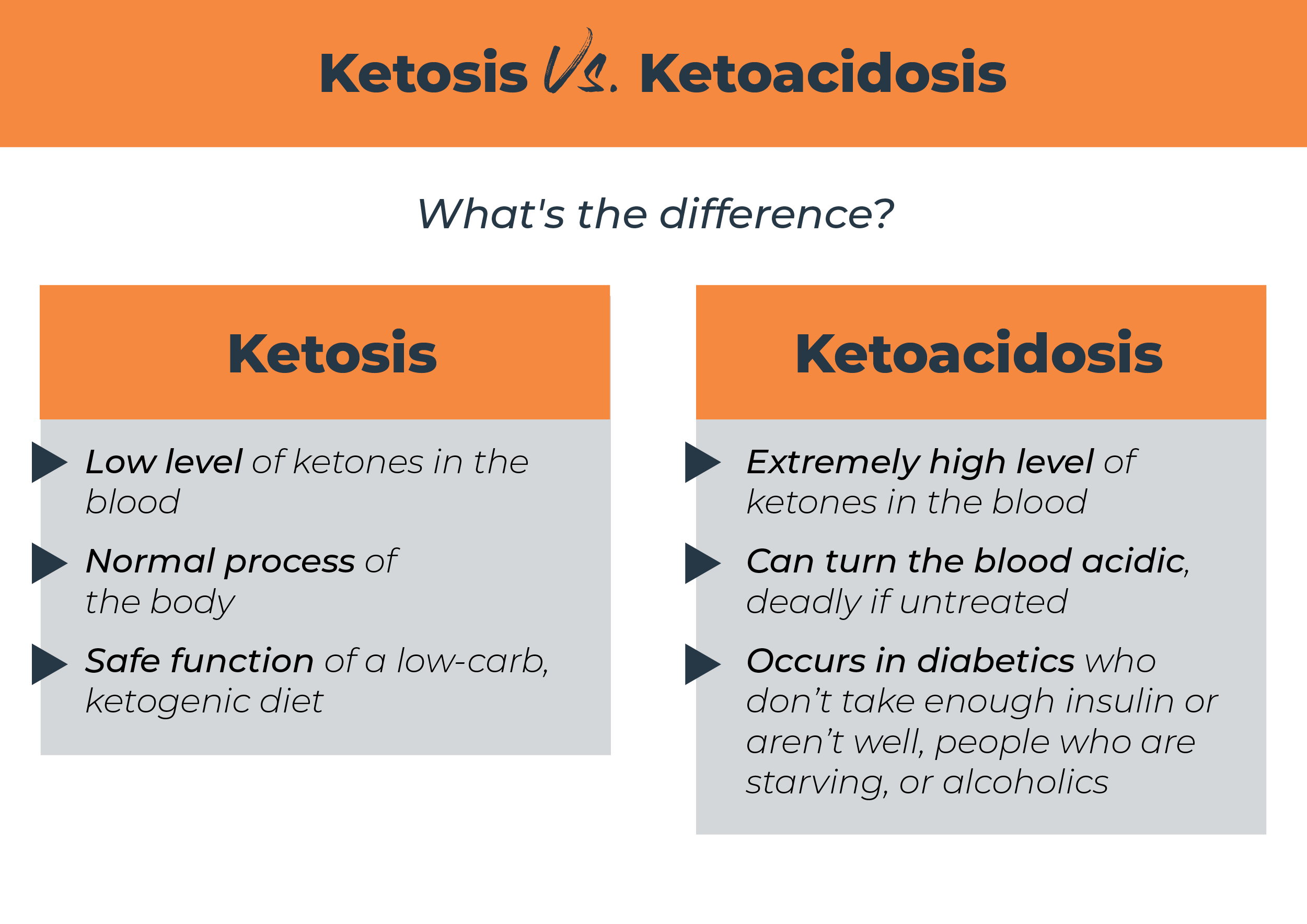
Britannica’s own ketogenic-diet entry defines keto as a regimen that eliminates or severely limits carbohydrates in favor of proteins and fats. Its ketosis entry adds the metabolic piece: when glucose is limited, the body shifts to using ketones. That science is real, but the public-facing version of keto can still look like a diet with a bright, bold promise and a very sharp edge.
The warning signs are not imaginary
The strongest criticism of keto is not that it works in no one, but that it can be hard to live with and hard to make nutritionally complete. UChicago Medicine dietitians describe it as extremely strict and difficult to maintain, which is exactly the kind of sustainability problem that gives fad diets their reputation. A plan can be effective in the short run and still fail the long game if it turns everyday eating into a constant math problem.
That tension is why the comparison to other fad diets sticks. The diet can attract people who want a decisive reset, but the more rigid the rules become, the more food starts to feel like compliance instead of nourishment. In that sense, Britannica is not just sorting labels. It is pointing to a pattern many keto veterans already recognize: the line between disciplined structure and all-or-nothing pressure can get very thin.
Where keto has real substance
The criticism gets weaker when the conversation moves from pop culture to medical history. Ketogenic diets are not a social-media invention; medical sources note that they have been used in epilepsy treatment for more than 100 years. That matters because it proves keto is more than a headline-friendly weight-loss hack. It has a serious clinical lineage, even if the mainstream version most people meet is wrapped in before-and-after photos and macro tracking.
The modern research conversation is also broader than the old weight-loss pitch. A 2024 Frontiers review says ketogenic diets are increasingly promoted for conditions ranging from chronic headaches to weight loss and even cancer, which shows how far the public profile has expanded. That expansion helps explain keto’s staying power: it is not just being sold as a diet, but as a metabolic tool with multiple possible uses.
Where the criticism still lands
The fact that keto has a medical history does not erase the nutrition concerns. The American Heart Association recommends keeping saturated fat below 6% of total calories, and that guidance collides with the way many keto menus are built, especially when they lean hard on animal fats and other saturated-fat-rich foods. Harvard Health says keto does not meet standards for a healthy diet and may raise heart-disease risk for some people, which is a serious charge, not a lifestyle quibble.
Mayo Clinic clinicians take a more measured line, noting that low-carb diets may help with weight loss and blood sugar management, but that the long-term health risks are not clear. Mayo also lists common ketosis side effects such as bad breath, headache, tiredness, weakness, and flu-like symptoms. Put together, those cautions explain why many doctors see keto as something to use carefully rather than casually.
How keto fits into the broader low-carb world
Keto does not live alone. Atkins is still one of the clearest examples of how low-carb branding overlaps with keto language, and Atkins’ current materials say Atkins 40 allows 40 grams of net carbs per day while being designed to make ketogenic eating easier. That is a telling bridge between old-school low-carb dieting and modern keto culture, where the boundaries between “low carb,” “keto-friendly,” and “ketogenic” can blur fast.
The medical system does not treat carbohydrate restriction as automatically off-limits. The Centers for Disease Control and Prevention says diabetes meal planning can include carb counting and the plate method, and the American Diabetes Association says low-carbohydrate eating patterns can fit into diabetes meal planning guidance. That does not equal a blanket endorsement of keto, but it does show that carbohydrate reduction is part of mainstream diabetes care, not just internet diet talk.
Cardiovascular guidance is where the caution gets sharper. The National Lipid Association’s January 2026 cholesterol guidance emphasized that lower LDL is better for longer, reinforcing the concern that diets heavy in animal fats can push lipids in the wrong direction for some people. That is the central split in the keto conversation: supporters point to appetite control, weight loss, and blood sugar effects, while skeptics focus on nutrient balance, sustainability, and lipid risk.
The real test is not the label
Britannica’s grouping of keto with fad diets makes sense if the question is how the public encounters it: as a strict, promising, highly coded eating plan that claims a lot and asks for a lot. But the evidence base keeps the story from being that simple. Keto is not new, not purely cosmetic, and not empty of real physiological logic.
The fairest reading is the one keto communities already know from experience. The diet can deliver short-term structure and sometimes meaningful metabolic change, but it can also become rigid, hard to maintain, and difficult to square with heart-healthy guidance. That is why the fad-diet label feels both unfair and understandable at the same time, and why keto still sits exactly where Britannica places it: at the crossroads of science, culture, and the stubborn human desire for a shortcut that actually lasts.
Every story on Keto Diet Magazine is assembled by an automated editorial system that works from verified research, official records, and credible reporting, then clears automated accuracy and moderation checks before it goes live. The standards that system follows are set and overseen by the people who run the publication. Read our full editorial policy.
Did this article answer your question?