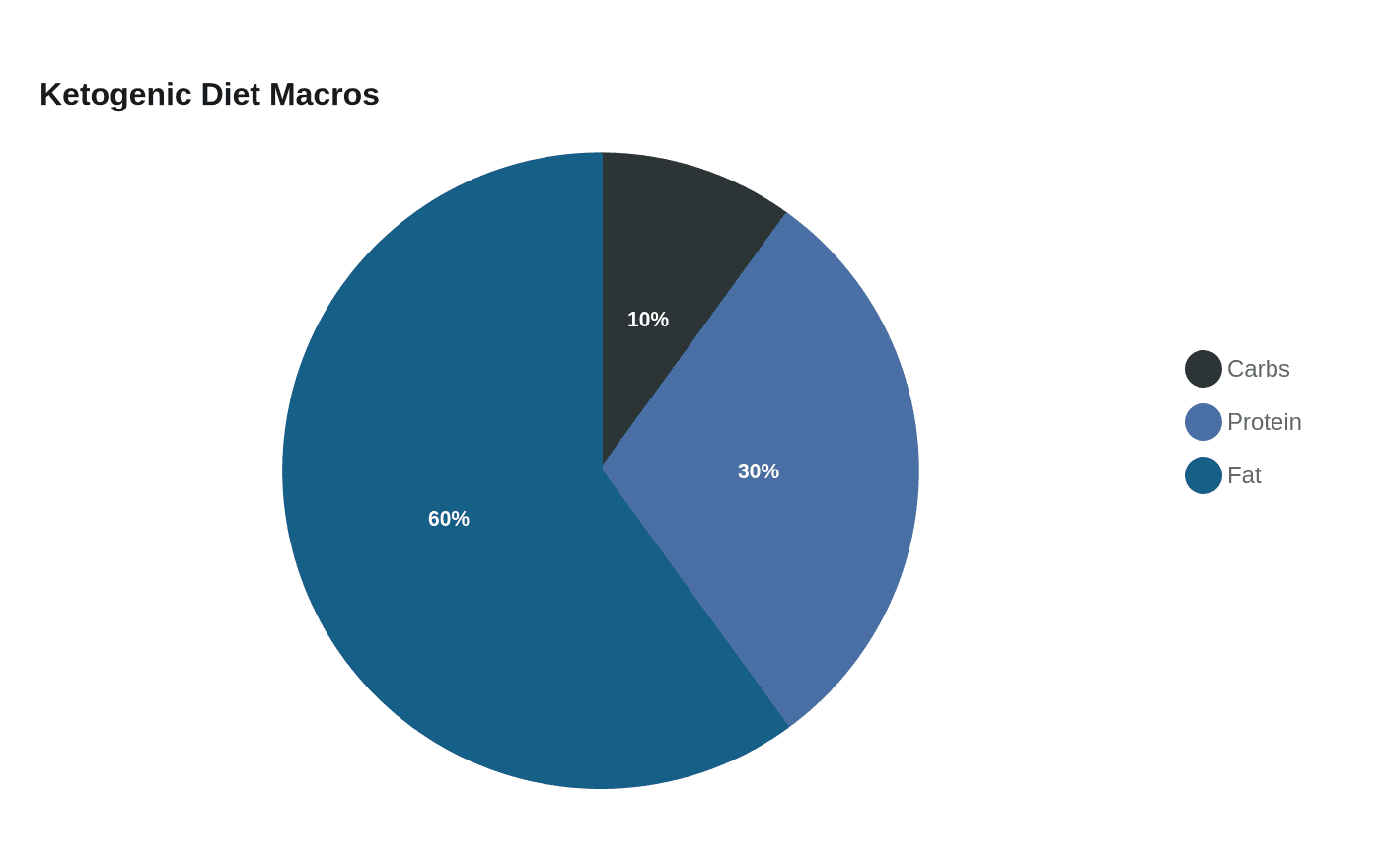
A loose pour of dressing, a few extra bites, or a weekend habit can change the result fast on keto. Mayo Clinic puts a ketogenic plan at fewer than 50 grams of carbs a day, or no more than 10% of total energy intake, leaving very little room for sloppy tracking, hidden carbs, or “keto” foods that quietly push calories too high.
Plateaus are normal, but they still need a diagnosis
A weight-loss plateau can happen on any diet, including keto, and the first slowdown often shows up after the early water-loss phase is over. That is why the same plan that felt dramatic in week one can start to feel flat later on, even when you are still eating low carb. Healthline’s plateau guidance lists metabolic slowing, macronutrient ratio problems, too many calories, stress, sleep schedule, and hidden carbs as the usual suspects.
If the scale has stalled, the question is usually not whether keto works in theory. It is whether the day-to-day version you are doing still matches the version that is supposed to work.
Calories still count, even when the carbs are low
One of the biggest keto myths is that low carb automatically means fat loss. Low-carb eating does not erase calories, and Virta Health includes nuts, cheese, avocado, heavy cream, MCT oil, and alcohol among the calorie-dense foods that can stall fat loss. Those foods are all easy to rationalize on keto because they fit the rules, but they also add up fast.
That is where calorie creep sneaks in. A handful of nuts becomes a half-bag, cheese turns into a second snack, and MCT oil or heavy cream gets poured into coffee without much thought. The label may still say keto-friendly, but the math can still be wrong, especially if you are also leaning on packaged keto bars, fat bombs, and other processed shortcuts that are designed to look compliant without necessarily keeping your intake tight.
Hidden carbs are usually hiding in plain sight
The carb problem is often less about bread and pasta and more about the little things you stop counting. Virta Health’s common culprits include sauces, dressings, snacks, and even small bites of non-keto foods. A spoonful here and a sample there does not feel like much in the moment, but those untracked extras can push you above your target before dinner is over.
Mayo Clinic includes fruit, cereal, bread, pasta, beans, and potatoes among the traditional foods removed on keto, a restriction that can make the diet hard to sustain long term, and processed keto substitutes can make tracking fuzzier instead of cleaner. If you are not weighing, measuring, or at least watching portions closely, “low carb” can quietly turn into “lower carb than before, but not low enough to keep the stall away.”
Your macro balance may be off, even if the food list looks right
Keto is not just about cutting carbs. Healthline includes macronutrient ratio issues in its plateau guidance, which is another way of saying the balance of protein and fat can drift even when the food choices look right on paper. A plate full of cream, cheese, and added fats can leave you calorie-heavy without necessarily giving you the protein anchor that keeps meals satisfying.

This is where a lot of frustrated keto eaters get trapped. They are eating “keto foods,” but not necessarily the right mix of them, and they are often doing it without noticing. A day built around processed keto snacks, coffee add-ins, and fatty extras can look disciplined and still fail to move body weight in the direction you want.
Sleep, stress, exercise, and alcohol can flatten your progress
Lifestyle factors can be just as important as food logs. Healthline includes stress, sleep schedule, and exercise among keto plateau factors, and those are the first places to look when your weekdays are tidy but your body still feels stuck. Poor sleep can throw off appetite and recovery, chronic stress makes consistency harder, and a sedentary week can erase the margin you thought you had.
Alcohol deserves its own warning because it shows up in both the calorie problem and the routine problem. Even when you keep carbs low, drinking can add enough energy to stall fat loss, and it often comes with the kind of late-night eating that ruins an otherwise clean day. If your progress keeps stalling after dinner, not at breakfast, the answer may be in the glass.
How to troubleshoot a stalled keto phase
1. Tighten your carb count first. Mayo Clinic puts the threshold at fewer than 50 grams per day, or no more than 10% of total energy intake, so start by making sure your real intake matches that number.
2. Audit the calorie-dense extras. Nuts, cheese, avocado, heavy cream, MCT oil, and alcohol are easy to overdo because they feel keto-safe.
If your portions have grown, your deficit may have disappeared.
3. Strip out hidden carbs. Recheck sauces, dressings, snacks, and casual bites of non-keto food.
These are the small leaks that often break a stall.
4. Look at your food quality, not just your macros. If most of your day comes from packaged keto products, simplify it.
Whole-food meals are easier to track and usually easier to keep consistent.
5. Fix the non-food variables. Stress, sleep schedule, and exercise can all affect keto progress.
If those are off, your diet can be perfect and still underperform.
Mayo Clinic’s keto guidance has a narrow food list. The British Heart Foundation calls the long-term evidence for weight loss weak and does not recommend the diet for that purpose. HEART UK says any short-term benefit for some people with type 2 diabetes does not settle the long-term cardiovascular question.
Every story on Keto Diet Magazine is assembled by an automated editorial system that works from verified research, official records, and credible reporting, then clears automated accuracy and moderation checks before it goes live. The standards that system follows are set and overseen by the people who run the publication. Read our full editorial policy.
Did this article answer your question?