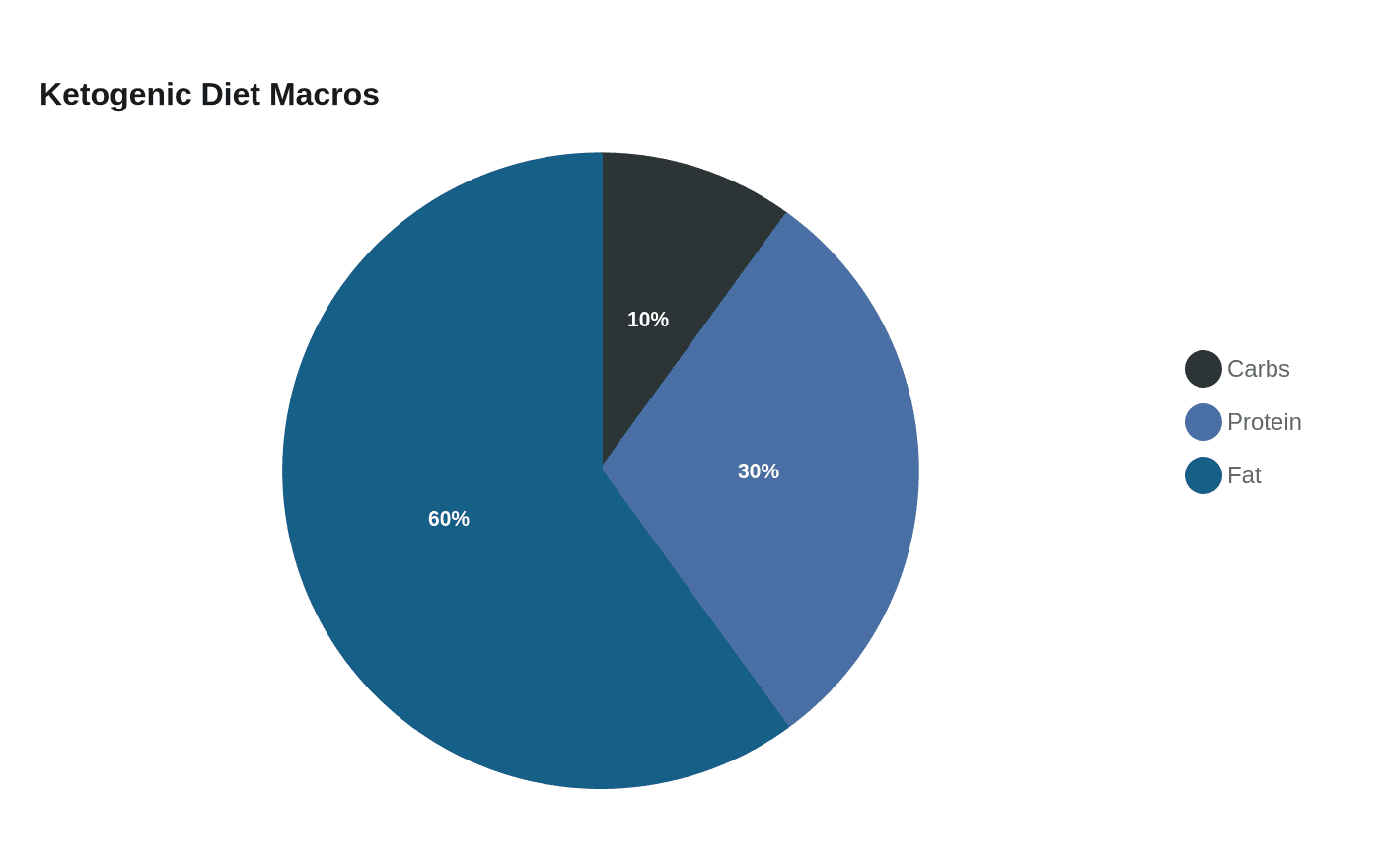
Tim Noakes amplified a thread arguing that mental illness should be treated as a metabolic issue, and a Stanford Medicine pilot published on March 27, 2024 gave that claim fresh clinical weight. The trial looked at adults with schizophrenia or bipolar disorder who also had metabolic abnormalities, and they stayed on antipsychotic medications while following a ketogenic diet set at roughly 10% carbohydrates, 30% protein and 60% fat.
The results were modest in scale but specific in detail. Duke Scholars’ record of the same pilot described 23 participants enrolled in a single-arm trial and reported that those who adhered to the diet saw weight and BMI fall by 12%, waist circumference drop by 13% and visceral adipose tissue shrink by 36%. It also reported a 27% decrease in HOMA-IR, a 25% drop in triglycerides and a 32% reduction in Brief Psychiatric Rating Scale scores among participants with schizophrenia. Overall clinical severity improved by 31%, sleep quality improved by 19%, and no participants met metabolic syndrome criteria by the end of the study.

That combination of psychiatric and metabolic change is why metabolic psychiatry has drawn more attention in clinics that already treat diabetes risk, obesity and mood symptoms as part of the same body-brain picture. A 2024 protocol in Frontiers in Nutrition framed the stakes starkly, noting that schizophrenia and bipolar disorder are linked to major cardiometabolic comorbidities and can reduce life expectancy by up to 25 years. The planned study behind that protocol will test a medically supervised ketogenic diet in 100 adults over 14 weeks in a randomized, placebo-controlled design.
The emerging literature is still uneven, and that matters. A 2025 JAMA Psychiatry systematic review and meta-analysis of 50 studies found ketogenic diets were associated with small to moderate improvements in depressive symptoms in randomized clinical trials, with larger effects in quasi-experimental studies. That is not the same as proving keto treats bipolar disorder or schizophrenia on its own, but it does show why researchers keep looking at ketosis as more than a weight-loss tool.
Noakes’ voice carries extra force because he has spent years in South Africa as one of the country’s most visible low-carb, high-fat advocates, from Banting to his clashes with medical regulators over diet advice. In that longer fight, the Stanford pilot did not settle the argument, but it gave the metabolic side of the ledger something it rarely had before: a supervised clinical signal inside serious mental illness, not just a theory from the internet.
Every story on Keto Diet Magazine is assembled by an automated editorial system that works from verified research, official records, and credible reporting, then clears automated accuracy and moderation checks before it goes live. The standards that system follows are set and overseen by the people who run the publication. Read our full editorial policy.
Did this article answer your question?