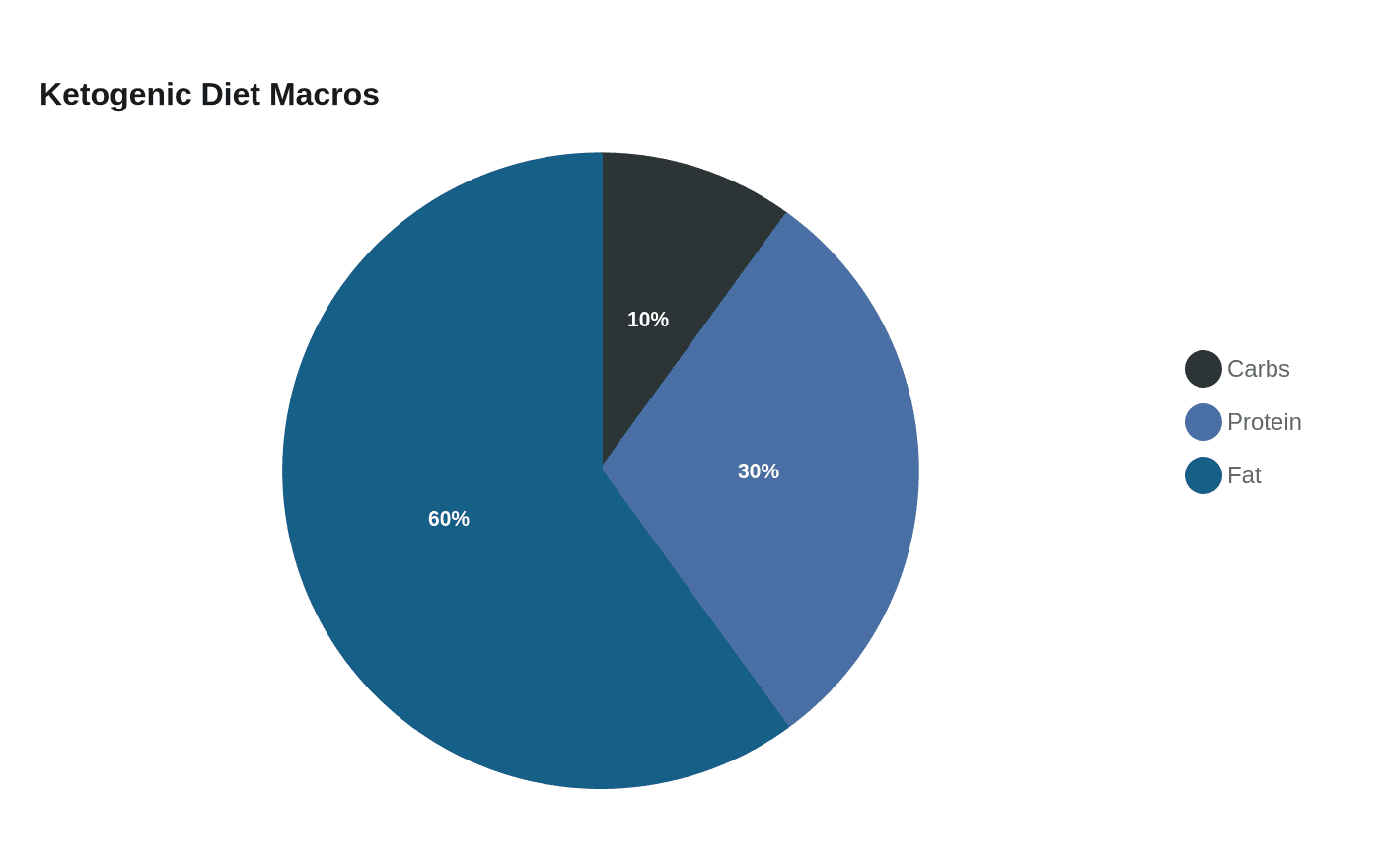
Ketosis does not usually announce itself with a clean energy rush. For many people, it starts as a stretch of dry mouth, fatigue, headache, and a body that feels off rhythm while it shifts away from glucose and toward fat for fuel. That gap between expectation and reality is where most keto confusion lives, and it is also where the normal adaptation period begins.
What the first days can feel like
The early phase is often the most noticeable because the body is changing fuels fast. Cleveland Clinic says keto flu symptoms can show up two to seven days after you reach ketosis, and that window is when many people first notice nausea, irritability, headaches, tiredness, and weakness. Mayo Clinic adds bad breath and flu-like symptoms to that list, which helps explain why the transition can feel less like a clean reset and more like a short, stubborn slump.
A lot of that early discomfort is tied to what happens when carbohydrates drop. As glycogen stores fall, the body also sheds water, and the scale can dip quickly before any meaningful fat loss has had time to build. That is one reason the first week can feel dramatic, even when the process itself is simply the body adjusting to a lower-carb state.
Why the scale moves before your energy does
The fast early drop on keto can be encouraging, but it can also be misleading. Water loss often shows up before the deeper metabolic changes settle in, so the body may feel lighter while energy feels flatter. That mismatch matters, because many beginners mistake the temporary dip in performance for a sign that the plan is failing.
This is also when appetite can start to change. Some people feel less urge to snack once carbs are cut back, while others feel wiped out long enough that they lose interest in food for a few days. The practical point is simple: the first stretch is not the same as the steady rhythm keto fans talk about later, and it is rarely the clean, effortless transition social media makes it look like.
The symptoms most people misread
The most common early signs are not mysterious, but they are easy to misinterpret. Mayo Clinic says ketosis can bring bad breath, headache, tiredness, weakness, and flu-like symptoms, while Cleveland Clinic frames keto flu as a cluster that can include nausea and irritability. Put together, that means the body can feel headachy, sluggish, and slightly off balance right when a person expects clarity and momentum.
UChicago Medicine adds a few more problems that matter in the real world: low blood pressure, kidney stones, constipation, nutrient deficiencies, and an increased risk of heart disease. Those are not the same as a mild carb-withdrawal spell, and they are a reminder that “keto flu” is only part of the story. If symptoms go beyond the usual short adaptation window or start to affect everyday function, the issue may be more than the diet’s early learning curve.
Electrolytes, hydration, and the uncomfortable middle
The transition period often feels worse when hydration and electrolytes are not keeping pace with the shift. That is why the same plan can feel manageable for one person and punishing for another: water loss, lower blood pressure, and reduced food variety can all stack up fast. In practice, that is when people notice headaches, fatigue, weakness, and a general sense that their body is working harder than it should.
That middle stretch is also where constipation can show up, especially if the diet is built around meat and fat but not enough fiber-rich foods. Mayo Clinic and UChicago Medicine both flag digestive issues and constipation as real concerns, not side notes, and those problems can make the whole experience feel more punishing than the early weight-loss numbers suggest. A body that is adapting to ketosis is one thing; a body that is struggling to stay comfortable is another.
What changes by the time keto feels “normal”
By the time keto settles in, the experience usually looks different from that first rough week. The headaches, tiredness, and flu-like feeling that show up during the transition often fade as the body adapts to its new fuel source. That is why Cleveland Clinic treats keto flu as a sign of adjustment, not proof that the diet is failing.
But “feeling better” does not automatically mean “risk free.” Mayo Clinic says long-term carb restriction can leave people short on vitamins or minerals and can cause digestive issues, while Harvard Health notes that ketogenic diets may lower triglycerides but raise LDL cholesterol. A 2024 review in the American Journal of Clinical Nutrition reaches a similar mixed verdict, finding improvements in triglycerides, blood pressure, weight, and glycemic control, but also warning that higher total cholesterol and LDL warrant caution.
Why the medical history still matters
Keto did not begin as a lifestyle trend. Johns Hopkins Medicine traces its therapeutic use in epilepsy back to the 1920s, and its pediatric program has treated more than 1,500 children. Johns Hopkins also says the diet should be supervised by a knowledgeable team that includes a doctor and a licensed dietitian, which is a useful reminder that the plan has always required more structure than a casual internet challenge.
That history also explains why the diet is treated so carefully in medical settings. Mayo Clinic Diet materials note that keto’s popularity as a weight-loss strategy was boosted by Atkins in the 1970s, but a marketing wave does not erase the fact that keto changes metabolism in ways that can affect blood pressure, digestion, cholesterol, and nutrient status. People with diabetes, heart disease, kidney disease, or other medical conditions need that caution even more, because the same diet that feels energizing for one person can be destabilizing for another.
The early keto phase is the part most people feel in their body first: the water drop, the headache, the tiredness, the weird breath, the appetite shift, and then, if things settle, a calmer rhythm on the other side. That is the story of ketosis beginning, not as a clean leap, but as a transition the body has to learn before it can live there.
Every story on Keto Diet Magazine is assembled by an automated editorial system that works from verified research, official records, and credible reporting, then clears automated accuracy and moderation checks before it goes live. The standards that system follows are set and overseen by the people who run the publication. Read our full editorial policy.
Did this article answer your question?