Keto stops working in a lot of cases for one boring reason: the numbers are off. If the scale has frozen, the first thing to question is not your willpower but your tracking, because even a small carb miscount can knock you out of the range where keto tends to work best.
Start with the carb audit
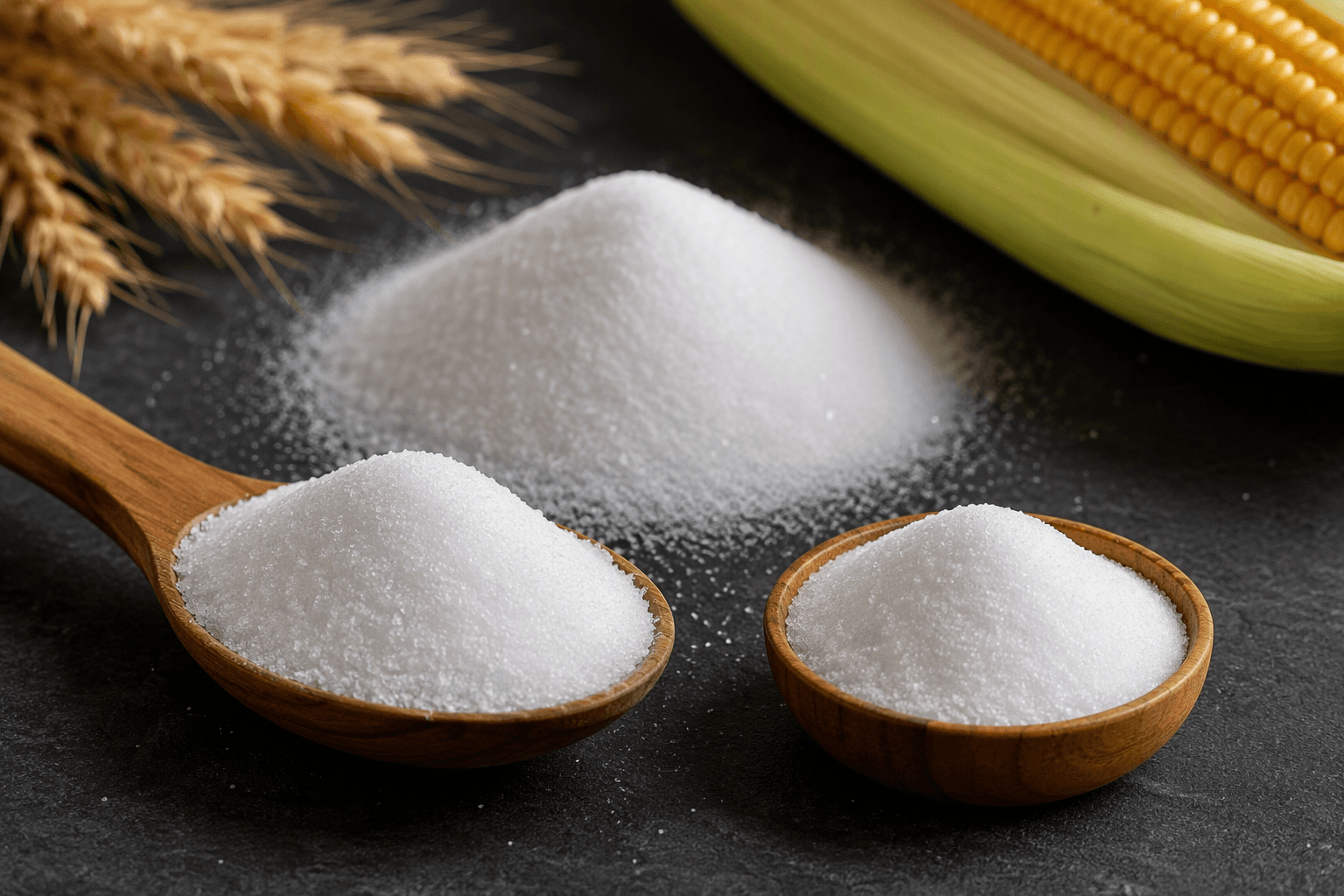
The most common stall I see is not “mysterious resistance” but hidden carbs hiding in plain sight. Condiments, sauces, processed keto-friendly snacks, sugar alcohols, restaurant meals, and even ordinary vegetables can push intake higher than people expect. Mayo Clinic has warned for years that hidden sugars show up in foods like pasta sauces and pizza, which is exactly why a label that says keto-friendly is not the same thing as a meal that is actually keeping you in ketosis.
This is where guessing gets people into trouble. If you think you are eating 25 grams of net carbs but you are really closer to 50 or 70 grams, the stall makes perfect sense. A review indexed in PubMed describes very-low-calorie ketogenic diets as typically providing less than 50 grams of carbohydrate a day, so those errors are not minor. On keto, the difference between “close enough” and measured can be the difference between steady fat loss and a scale that will not budge.
Calorie creep is the other quiet saboteur
Keto can reduce hunger for some people, but it does not make calories disappear. When fat is the base of the plan, it is easy to turn “low carb” into “high calorie” by pouring, spooning, and snacking a little more generously than you realize. That is especially true with cheese, nuts, cream, oil, avocado, and packaged keto treats that are marketed as if they are automatically weight-loss friendly.
The National Institute of Diabetes and Digestive and Kidney Diseases is blunt about the bigger picture: the key to losing weight is choosing a healthy eating plan you can maintain over time, and physical activity helps with long-term maintenance. The Centers for Disease Control and Prevention adds that counting carbs and using the plate method make meal planning easier for blood-sugar management, while its 2024 guidance also makes clear that carbohydrates can fit into a healthy diet when you know how to portion and choose them. In other words, keto works best when it is measured, not improvised.
Know what keto is supposed to look like
A true ketogenic diet is not just “low carb.” Harvard Health describes it as a fat-centered plan that can supply as much as 90% of daily calories from fat, and the diet has been used in medicine for almost 100 years, especially for drug-resistant epilepsy in children. That history matters because it reminds you that keto is a specific metabolic tool, not a vague excuse to eat bacon and call it discipline.
The modern weight-loss version became mainstream much later, especially after Atkins-style low-carb dieting took off in the 1970s. More recent evidence is encouraging but not magical: a 2021 meta-analysis in Nutrients found ketogenic diets produced significantly greater weight loss than low-fat dietary plans in obese patients in the randomized trials it included. That does not mean keto is effortless. It means the diet can work, especially early on, but only if you stay inside the carb range and keep the rest of the plan honest.
Normal plateau or real problem?
Not every slow week means something is broken. Early water loss often gives keto its dramatic first act, then progress naturally becomes less flashy. If you have been losing for a while and then the scale pauses for a couple of weeks, that can be normal. The red flag is when the plateau lasts because your habits quietly drifted: bigger portions, more “just one bite” snacks, more restaurant food, more packaged keto products, and less precision overall.
A better self-check is simple: measure portions for a few days, read labels like a skeptic, and track your total carbs rather than trusting the front of the package. If your intake is truly under control and the stall still persists, then the issue may not be tracking at all. At that point, it is worth asking whether keto still matches your current goal, your appetite, and the way you actually live.
Stress and sleep can move the goalposts
Food is not the only lever here. Chronic stress can raise cortisol, alter glucose production, increase insulin resistance, and push the body toward storing rather than releasing fat. That means a plateau can happen even when your meals look clean on paper, because the body is also responding to how hard you are running it outside the kitchen.
That is not just theory. A study of a very-low-calorie ketogenic diet tracked 30 obese subjects over eight weeks and measured changes in salivary cortisol and other sympathetic markers. A separate review on ketogenic diets and circadian processes links the diet with appetite, sleep, and endocrine function. If your sleep has fallen apart, or stress is chewing through your routine, keto may be fighting upstream against a biology that is working against fat loss.
Use the stall as a diagnosis, not a verdict
The useful question is not “Did keto fail?” It is “Which part of the setup drifted?” If the answer is hidden carbs, then the fix is measurement. If the answer is calorie creep, then the fix is portion control. If the answer is stress, sleep, or a schedule that makes careful eating unrealistic, then keto may not be the best tool for this season of your life.
That is the practical edge here: stalled weight loss on keto is usually a troubleshooting problem, not a moral failure. When you strip away the hype, the scale usually tells a much simpler story, and hidden carbs are often the first clue worth chasing.
Every story on Keto Diet Magazine is assembled by an automated editorial system that works from verified research, official records, and credible reporting, then clears automated accuracy and moderation checks before it goes live. The standards that system follows are set and overseen by the people who run the publication. Read our full editorial policy.
Did this article answer your question?