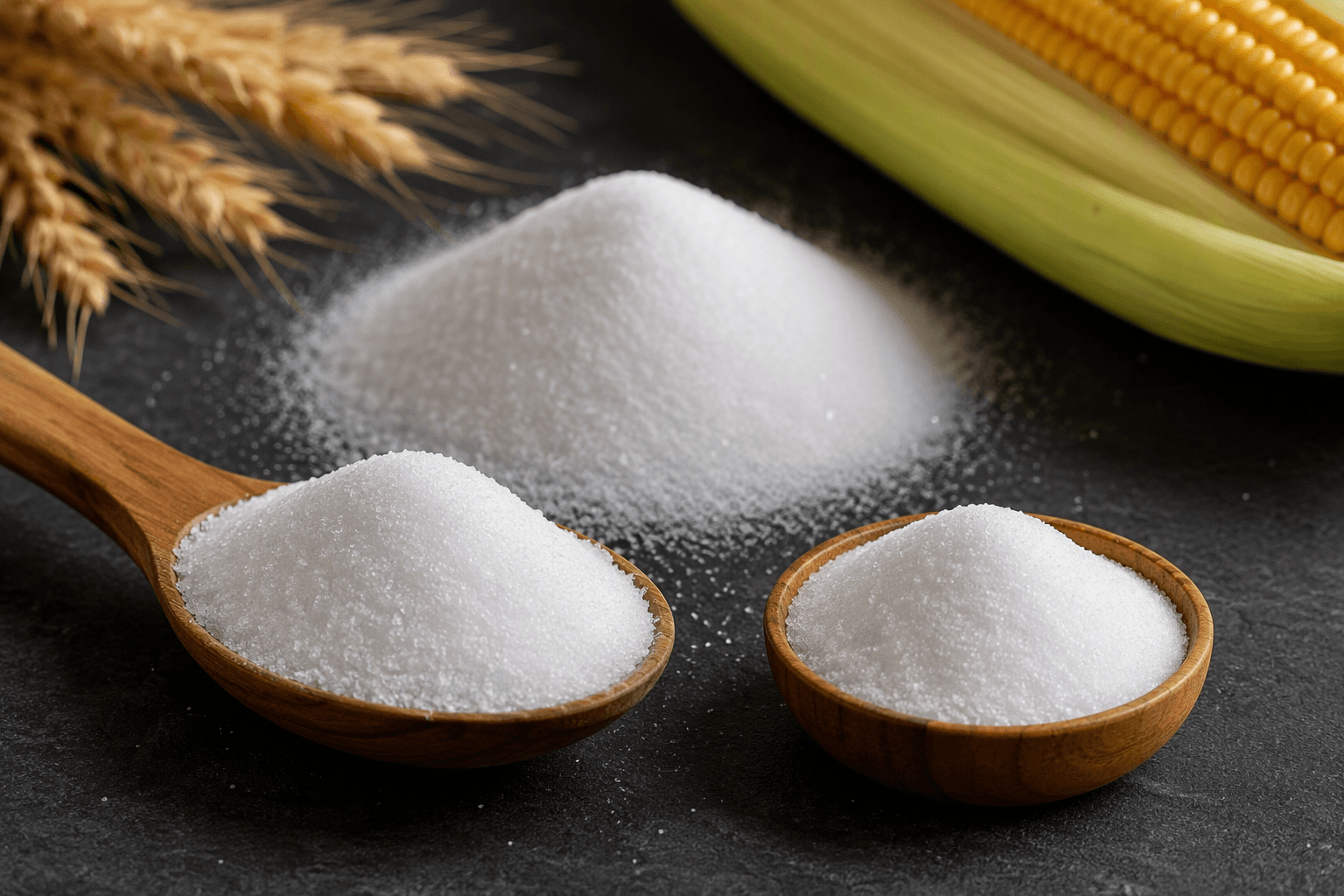
Fortune Business Insights expects the functional sugar market to keep expanding through 2034. Its breakdown by ingredient, function, and form shows where allulose fits when you are trying to tell a real sugar swap from a better-for-you label trick.
Allulose is the ingredient to watch
For keto eating, allulose is the standout because it behaves much more like sugar in baking and beverages while typically contributing very few usable carbohydrates. That makes it valuable in the places where low-carb foods most often fail, in cakes, cookies, frostings, drinks, and dessert-style products that need real sweetness and real texture, not just a sweet aftertaste.
In April 2019, FDA guidance put new attention on allulose, a low-calorie, tooth-friendly rare sugar. The next day, FDA exempted allulose from added sugar labeling requirements, which helped push it from niche curiosity to a serious formulation tool.
What the market report is actually tracking
The report does not treat functional sugar as a one-ingredient story. It breaks the category into GOS, FOS or oligofructose, allulose, and lactulose, then sorts those ingredients by function, including prebiotic and digestive health, low-calorie sweetening, and pharmaceutical functionality. It also separates dry powder, liquid concentrates, and granules or flakes, which matters because those forms usually travel into different kinds of packaged foods.
For keto shoppers, dry powders and granules fit baking mixes, tabletop sweeteners, and shelf-stable dessert bases, while liquid concentrates naturally fit beverages, syrups, and sauces. The same ingredient can feel very different on the palate depending on how it is delivered.
How to read the label like a keto shopper
FDA started laying the groundwork for allulose in 2019 with draft guidance on how it should be declared on Nutrition Facts labels. By 2020, the agency had a guidance framework that allows allulose to be excluded from Total Sugars and Added Sugars declarations while still being counted in total carbohydrates, and a Federal Register notice dated October 19, 2020 addressed the declaration of allulose and calories from allulose on Nutrition and Supplement Facts labels.
Under that framework, FDA recognized allulose’s unique metabolic profile and minimal impact on blood glucose and calories. Manufacturers may leave allulose out of total and added sugars but still must include it in total carbohydrates. If you are shopping keto, that means a product can look sugar-light on the front panel and still demand a close look at serving size, total carbs, and the rest of the sweetener stack.
A bar, yogurt, sauce, or drink made with allulose can be a much cleaner fit for ketosis than a product that relies on multiple sweet ingredients, prebiotic fibers, or sugar-alcohol blends to create a low-sugar halo.
Why GOS and FOS matter, but not in the same way
GOS and FOS or oligofructose are part of the same market because they are often used for prebiotic and digestive health positioning. That makes them attractive in the broader wellness aisle, especially in packaged foods that want to promise more than sweetness, but that is not the same thing as being a straight sugar replacement for keto.
For a low-carb eater, those ingredients deserve a different level of scrutiny than allulose. They may help with product structure or gut-health marketing, yet they can still show up in foods that are not truly keto-first if the total carbohydrate load is high enough.
What the research pipeline suggests
The scientific interest behind these ingredients is widening too. PubMed Central search results include a 2021 systematic review and narrative synthesis of human trials on rare sugars and their health effects, a meta-analysis on allulose and blood glucose in type 2 diabetes, a study on consumer responses to allulose in yogurt formulations, and a review of d-allulose production processes and physiological functions.
For keto product developers, the next generation of low-carb foods has to do several jobs at once. It has to taste like sugar, survive processing, fit the label, and avoid blowing up the carb count.
Every story on Keto Diet Magazine is assembled by an automated editorial system that works from verified research, official records, and credible reporting, then clears automated accuracy and moderation checks before it goes live. The standards that system follows are set and overseen by the people who run the publication. Read our full editorial policy.
Did this article answer your question?