Rapid scale drops can be a gift at first, but they also change what is happening inside the gallbladder. The issue is not keto itself as some kind of stone-making diet; it is the combination of significant calorie restriction, quick weight loss, and altered bile chemistry that can make gallstones more likely in some people.
Why fast loss raises the risk
Gallstones form when parts of bile, especially cholesterol, crystallize and harden in the gallbladder. That matters on keto because the body may mobilize weight quickly early on, and the liver can release extra cholesterol into bile during that process. NIDDK’s guidance on dieting and gallstones makes the key point plainly: quick weight loss or large weight loss increases the risk, while gradual weight loss can lower it.
This is a pattern medicine has seen beyond keto for years. PubMed-indexed research has examined gallstone formation alongside weight loss, and another PubMed record focused on rapid weight reduction after bariatric surgery as a gallstone risk factor. The common thread is pace, not a single food list: when the body sheds weight too quickly, the gallbladder is more likely to end up with stones.
Who is most vulnerable
Some people walk into keto with a higher baseline risk already in place. Women, older adults, people with obesity, anyone with a family history of gallstones, and people losing weight rapidly are all more vulnerable. A 2013 ScienceDaily summary of research published in Hepatology reported that elevated body mass index was causally associated with increased gallstone risk, with women at greater risk of developing gallstones than men.
Gallstones are common enough that this is not a niche concern. The University of Maryland Medical System says up to 15% of the U.S. population, around 25 million people, will develop gallstones. So if you are starting keto with a history of obesity, prior gallbladder trouble, or a family pattern of stones, the question is not whether gallstones are possible, but how much faster rapid weight loss might bring them to the surface.
Symptoms that should not be ignored
Many gallstones never cause symptoms, which is one reason they can stay hidden until they suddenly do. The classic warning signs are right upper abdominal pain, often after eating, pain that can spread to the back or right shoulder, nausea, vomiting, and bloating. If a stone blocks the bile duct, the situation can turn urgent and may cause fever or jaundice.
That symptom pattern is the line between a diet story and a medical problem. If you are on keto and you notice persistent pain after fatty meals, especially on the right side under the ribs, the next step is not to push through it as a normal adjustment. A stone that starts blocking flow can move quickly from discomfort to a complication that needs prompt medical attention.
How to do keto more safely
The safest keto approach is the one that does not chase the fastest possible drop on the scale. NIDDK’s advice is simple and practical: gradual weight loss can reduce the risk of gallstones, while quick or large weight loss raises it. That means crash dieting, extreme calorie cuts, and repeated cycles of lose-gain-lose are exactly the patterns to avoid if you are trying to protect your gallbladder.
A steadier plan on keto usually means:
- keeping the calorie deficit reasonable rather than aggressive
- aiming for sustainable weight loss instead of a short-term plunge
- paying attention to symptoms instead of assuming every ache is a normal keto side effect
- talking with a clinician if you have a past gallstone history, gallbladder disease, or other risk factors
Keto is not automatically a problem for the gallbladder, and fat itself is not the villain here. The risk rises when the diet becomes a rapid-loss machine, because that is when bile chemistry and gallbladder function are more likely to set the stage for stones.
When to seek evaluation
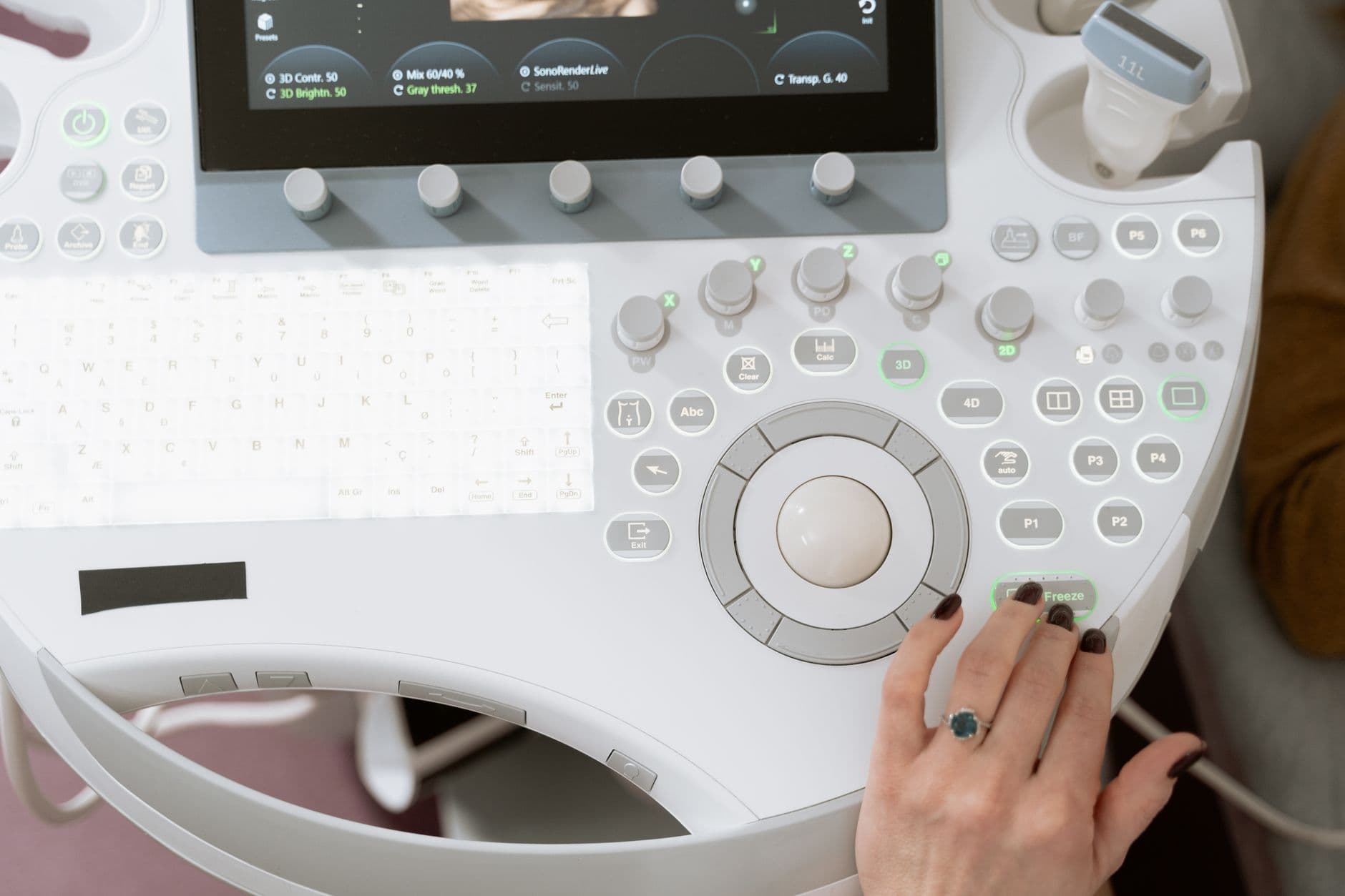
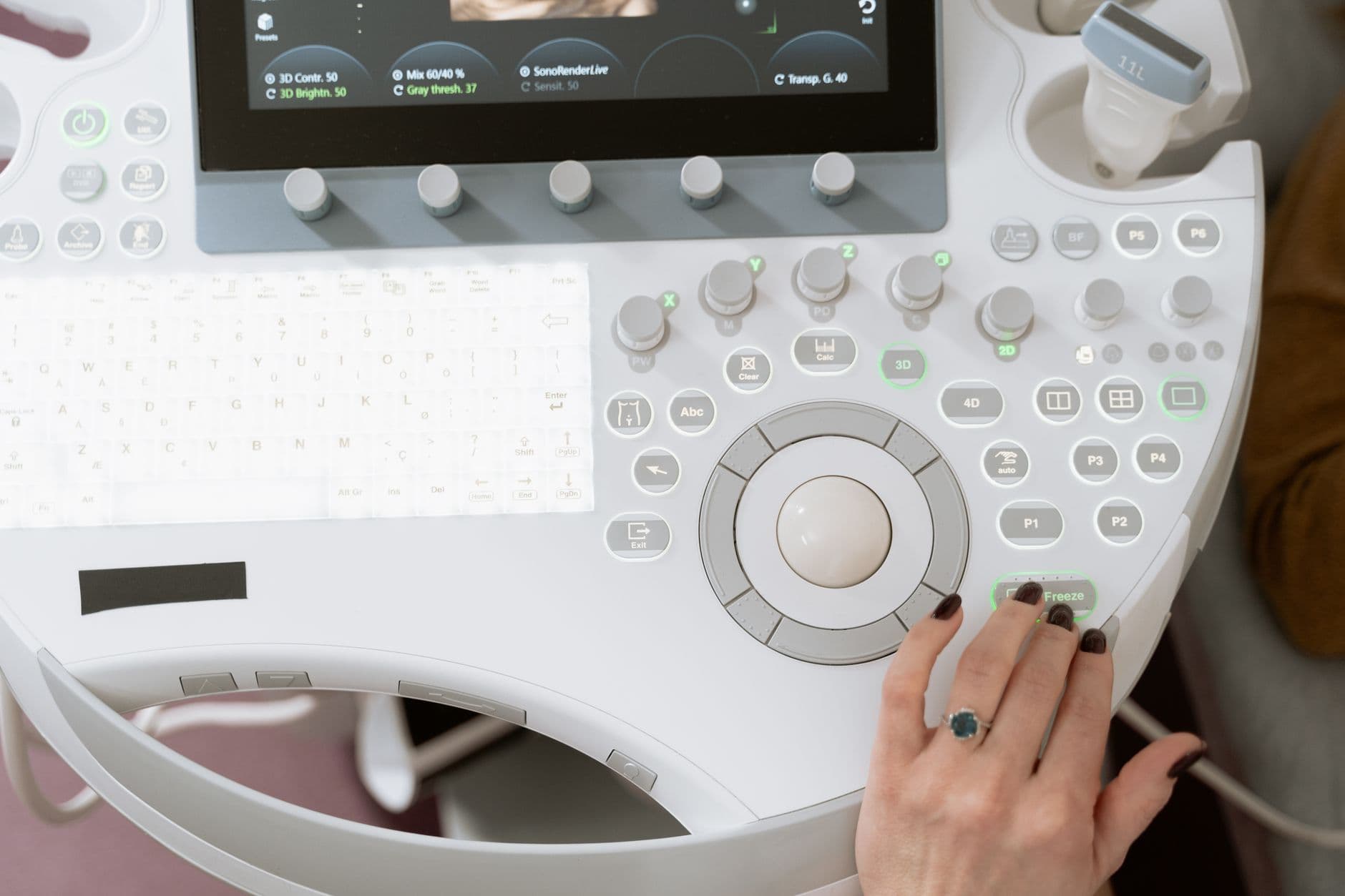
If right-sided abdominal pain, nausea after meals, vomiting, or bloating keeps showing up, the usual first test is ultrasound. That scan is the standard first-line way to look for gallstones and gallbladder problems, and it is often where the conversation shifts from diet strategy to diagnosis. Fever or jaundice should raise the urgency, because those can signal blockage and a need for prompt care.
If you already know you have gallstones, or if you have had gallbladder symptoms before, it is worth getting medical guidance before pushing weight loss hard. Rapid keto loss can be appealing because it often works fast, but the gallbladder does not care whether the scale drop came from keto, another diet, or surgery. It responds to speed, and that is the part worth controlling before the pain starts.
Every story on Keto Diet Magazine is assembled by an automated editorial system that works from verified research, official records, and credible reporting, then clears automated accuracy and moderation checks before it goes live. The standards that system follows are set and overseen by the people who run the publication. Read our full editorial policy.
Did this article answer your question?