A cleaner on-ramp than most keto handouts
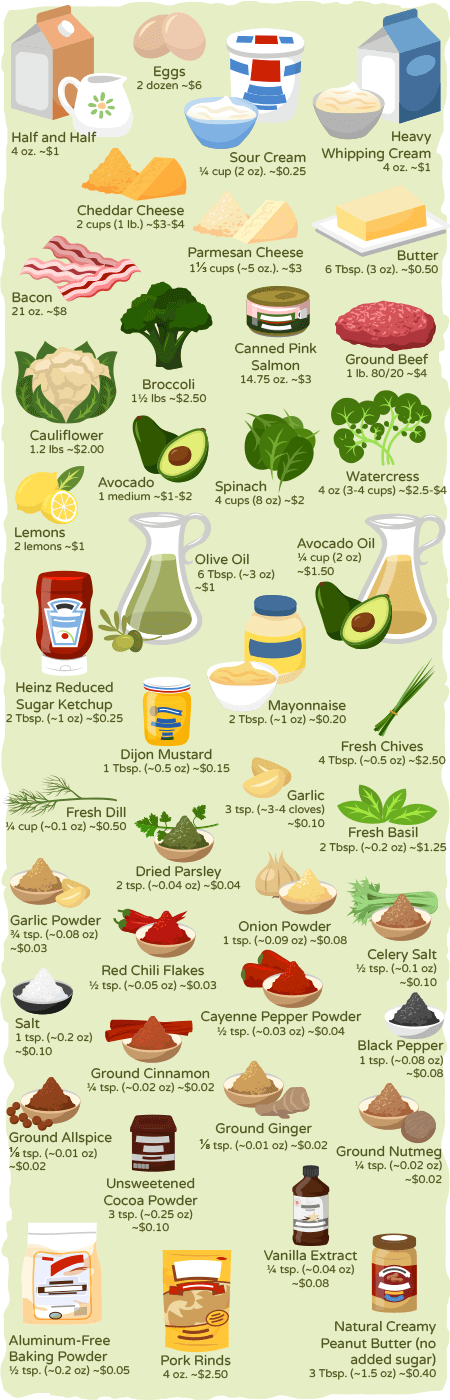
Ruled Me’s refreshed keto meal plan does something a lot of low-carb content never manages: it tries to make the first two weeks feel doable. Updated May 1, 2026, the downloadable plan bundles a shopping list, more than 15 recipes, and medical review from Dr. Pouya Shafipour, so beginners are not left staring at a blank fridge and a bag of almond flour.
The basic logic is familiar to anyone who has spent time in keto circles: pull carbs down, raise fats up, and let ketones rather than glucose do the heavy lifting for energy. What makes this version useful is that it translates that theory into a daily framework with breakfast, lunch, dinner, and dessert, plus intermittent-fasting days worked in. That is a real difference from the usual internet advice, which too often stops at “eat bacon and avoid bread.”
Why the structure matters more than the macros on paper
The strongest part of this plan is not that it is clever, it is that it is organized. Beginners usually fail at keto because every meal becomes a decision, every grocery run becomes a scavenger hunt, and every busy night turns into a takeout temptation. A 14-day schedule with a built-in shopping list takes some of that friction out of the equation.
The page also leans into variety instead of the stale chicken-and-broccoli stereotype that scares people off before they start. It emphasizes make-ahead meals, leftover-friendly cooking, and low-carb treats, which is exactly the kind of practical design that makes keto more livable after day three. If you can cook once and eat twice, or batch a few basics and remix them, the diet gets much easier to sustain.
The other smart move here is that Ruled Me positions the plan as part of a larger library, with 600-plus recipes and multiple meal-plan variations. That matters because a starter plan should not feel like a dead end. It should feel like training wheels that can roll into a bigger system once you know which meals you actually like.
The real stress test: will a beginner stick with it?
This is where the plan earns its keep. A beginner does not just need recipes, they need a path that fits real life, and that means asking blunt questions about shopping burden, repeat ingredients, electrolytes, protein, and the usual first-week crash.
- Shopping burden: a single shopping list lowers the barrier, but keto still requires more forethought than a standard carb-heavy week. If the ingredients repeat across several meals, that is a plus for both budget and sanity.
- Repeat ingredients: this is where a good keto plan saves money. Reusing staples across breakfast, dinner, and dessert usually beats buying one-off specialty ingredients for every recipe.
- Intermittent fasting days: folding them into a 14-day plan may help people who already skip breakfast, but it can be a rough add-on for total beginners. If you are brand-new to keto, the cleaner move is often to master the food side first.
- Protein adequacy: keto is not a license to live on fat bombs. The plan gives you structure, but you still need each meal to feel like an actual meal, not a snack plate dressed up as a diet.
- Electrolytes and the transition period: this is the part most glossy keto content glosses over. If you are dropping carbs quickly, you need to be ready for the rough patch, not just the recipe list.
That last point is where beginners usually get blindsided. The short version is that keto can be easy to follow on paper and annoying in the body, especially if the first week brings headaches, fatigue, or constipation. A plan like this helps with logistics, but the person using it still has to bring some common sense to hydration, salt, and pacing.
Where keto comes from, and why that history still matters
Keto did not begin as a social media weight-loss fad. Mayo Clinic says the ketogenic diet was developed more than 100 years ago by Dr. Wilder at Mayo Clinic in Rochester, Minnesota, to treat children with severe epilepsy. The modern weight-loss boom came much later, in the 1970s, alongside Atkins, which is why keto still carries both a clinical legacy and a slimming reputation.
That medical origin is not just trivia. Great Ormond Street Hospital says the ketogenic diet has been shown to significantly reduce seizures in about half of the children who start it, and a recent review notes that the International Ketogenic Diet Study Group published clinical practice guidance in 2009 and 2018. In other words, keto has real therapeutic history, but that does not make it automatically simple, safe, or appropriate for everyone.
The caution label beginners should not ignore
The first two weeks are only the opening act. Mayo Clinic says ketogenic diets typically limit carbohydrates to less than 50 grams per day, and it also notes short-term side effects such as headaches, bad breath, and constipation. Cleveland Clinic says keto flu symptoms can show up two to seven days after reaching ketosis, which is exactly the window when a motivated beginner is most likely to quit.
The longer-term picture deserves the same honesty. The American Heart Association’s 2023 scientific statement placed very low-carbohydrate and ketogenic diets in the bottom tier for heart-health alignment, warning that low-carb eating can crowd out fruits, grains, legumes, and fiber while pushing saturated fat intake higher. Recent reviews also flag possible long-term risks such as nutrient deficiencies and kidney stones, which is why the best version of keto is usually the one that is planned, not improvised.
The bottom line for overwhelmed beginners
This updated 14-day plan looks genuinely useful because it reduces decision fatigue. It gives you a shopping list, a sequence of meals, more than 15 recipes, and enough variety to keep the first stretch from feeling like punishment. It will not solve every keto problem for you, but it does a better job than most starter plans of turning low-carb eating into something repeatable, affordable, and realistic enough to survive beyond the first week.
Every story on Keto Diet Magazine is assembled by an automated editorial system that works from verified research, official records, and credible reporting, then clears automated accuracy and moderation checks before it goes live. The standards that system follows are set and overseen by the people who run the publication. Read our full editorial policy.
Did this article answer your question?