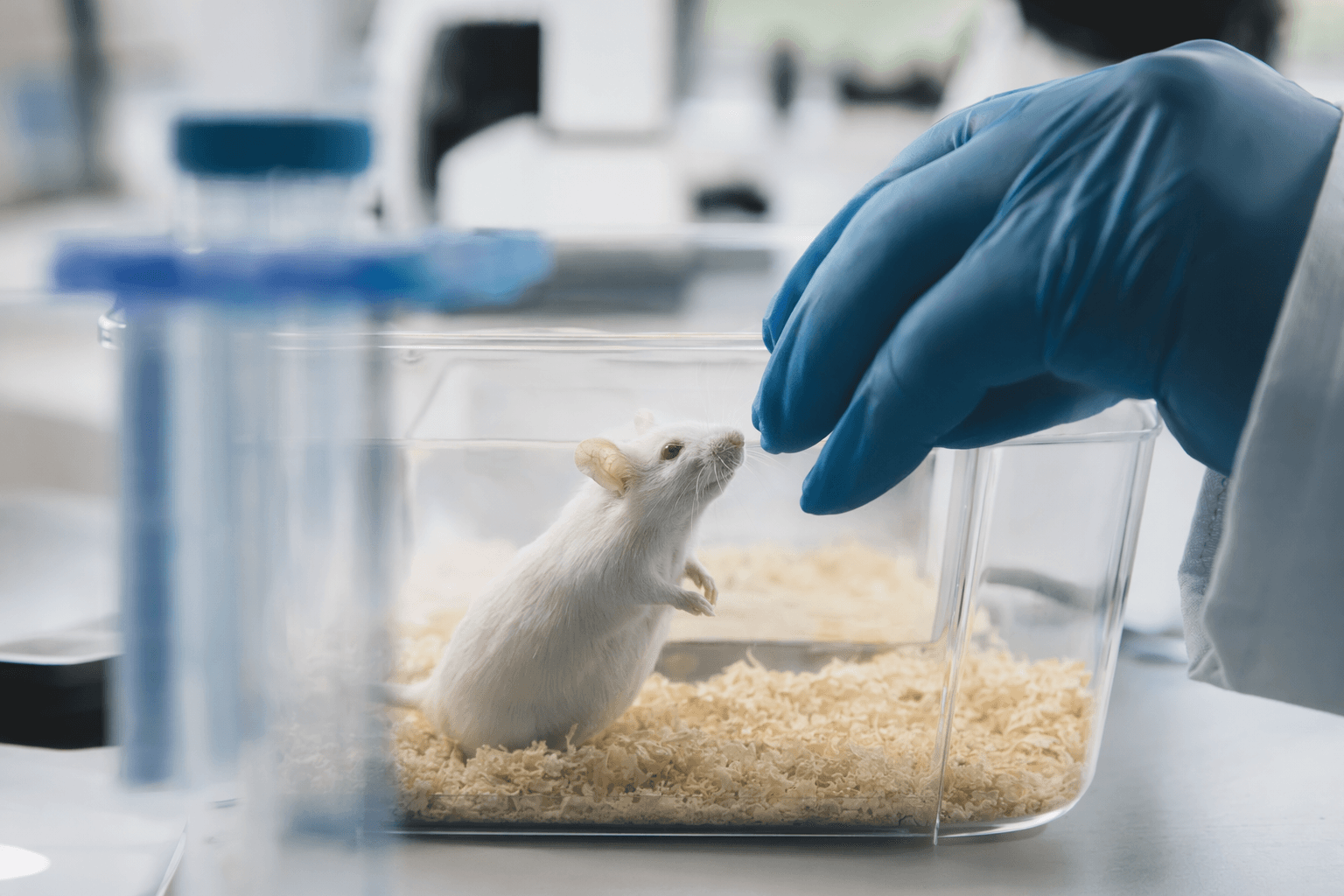
Ketogenic dieting just got a new immune-system wrinkle. In mice bred to develop autoimmune thyroiditis, the diet lowered thyroid antibodies, eased lymphocyte infiltration in the gland, and quieted inflammatory and oxidative stress signals tied to the disease.
The study, published May 8, 2026 in PLoS One by Yue Luo, Hao Gao, Mengzhen Wang, Zhimin Wang, Zhe Jin, Nan Song, Ziyu Liu and Xiao Yang, used sixty 8-week-old NOD.H-2h4 mice. Researchers induced iodine-related autoimmune thyroiditis with 0.05% sodium iodide for 8 weeks, then put one disease group on a ketogenic diet for 4 weeks. Compared with untreated diseased mice, the keto-fed animals showed lower TgAb and TPOAb, less pro-inflammatory signaling, and suppression of HMGB1, TLR2/4, NF-kB and the NLRP3 inflammasome pathway.
That pathway detail is the part keto readers will want to watch. The paper says the diet shifted the Th17/Treg balance, which matters because Th17 cells push immune activity toward autoimmunity while Treg cells help rein it in. In plain terms, the mice did not just look less inflamed on paper. Their immune signaling moved in a direction that suggests less autoimmune pressure inside the thyroid. The authors also measured oxidative stress markers and found the ketogenic diet reversed the disease-driven rise there too.
The catch is the one that always matters most: this was a mouse study, not a treatment trial in people. Autoimmune thyroiditis is the same condition often called Hashimoto’s thyroiditis or chronic lymphocytic thyroiditis. The National Institute of Diabetes and Digestive and Kidney Diseases says Hashimoto’s is the most common cause of hypothyroidism in the United States, where hypothyroidism affects about 5 in 100 Americans, and it is 4 to 10 times more common in women than men, often appearing between ages 30 and 50. A 2025 U.S. population study estimated 11.6 million adults have autoimmune thyroid disease, including 8.8 million women and 2.8 million men.
That is why the study matters without being a green light for self-treatment. It adds to a growing autoimmune signal around keto, including a 2024 UC San Francisco mouse study in multiple sclerosis and a clinical study of 108 Hashimoto’s patients in which a low-carbohydrate intervention was linked with improved thyroiditis inflammation and lower TgAb and TPOAb titers. For keto-minded readers, the real takeaway is not that keto has been proven to treat Hashimoto’s. It is that carbohydrate restriction may be doing more than shifting body weight and ketones, and the immune-mechanism angle is now strong enough to keep watching.
Every story on Keto Diet Magazine is assembled by an automated editorial system that works from verified research, official records, and credible reporting, then clears automated accuracy and moderation checks before it goes live. The standards that system follows are set and overseen by the people who run the publication. Read our full editorial policy.
Did this article answer your question?