A “sugar-free” dessert can taste close enough to the real thing and still carry enough carbs or gut trouble to wreck the point of the snack. Sugar alcohols can make a keto snack look like a win on the front of the package while behaving very differently once you eat it. The smart move is not to fear every sugar alcohol, but to know which ones usually behave, which ones tend to backfire, and why the label on the front of the package is rarely the whole story.
What sugar alcohols actually are
The U.S. Food and Drug Administration defines sugar alcohols as carbohydrates with characteristics of both sugars and alcohols, but not the kind of alcohol found in beverages. They occur naturally in small amounts in fruits and vegetables, and manufacturers also produce them from sugars and starch. That is why they show up everywhere from sugar-free candies and gums to protein bars, desserts, and baked goods.
For keto shoppers, the appeal is obvious. Sugar alcohols can deliver sweetness with fewer calories and a smaller blood-sugar hit than regular sugar, which makes them feel like a workaround for cravings and macros at the same time. The catch is that “smaller” is not the same as “none,” and different sugar alcohols do not behave the same way once they hit your body.
Why keto labels make them so tempting
UCSF’s Diabetes Teaching Center lists candies, chocolate, and energy bars among products labeled “sugar-free” or “no sugar added” that often use sugar alcohols. That sounds friendly to keto until you remember that they are still carbohydrates and still affect blood sugar, just not as dramatically as sugar. In other words, the package may be technically true while still being practically misleading for someone trying to stay in ketosis.
Harvard Health Publishing raised the same caution in its December 18, 2023 post on sugar alcohol, and nutrition expert Frank Hu advised moderation in a January 4, 2024 post from Harvard T.H. Chan School of Public Health.
Which ones are easier to live with
Among the familiar names, erythritol is usually the cleanest starting point for keto shoppers. Erythritol is sold as a sugar replacement, while xylitol and, to a lesser extent, sorbitol are also used that way, and maltitol is often found in protein bars. That packaging detail matters, because a protein bar is where many people get ambushed by a sweetener they barely noticed on the ingredient list.
Maltitol is the one to watch most closely in packaged keto snacks. It is common in protein bars, and it is less forgiving when people assume “sugar-free” means “eat like it is nothing.” Xylitol and sorbitol can also be useful, but they are not the same as a clean, tiny-dose sweetener sprinkled into a recipe at home. Mannitol shows up less often in the mainstream keto aisle, but it belongs in the same cautious category.
The gut issues are not a rumor
This is where sugar alcohols earn their reputation. High amounts can cause abdominal pain, diarrhea, or loose stools, and a 2016 review indexed in PubMed focused on gastrointestinal disturbances from sugar alcohols, with special attention to xylitol. If you have ever eaten half a “keto-friendly” pint of ice cream and spent the rest of the night regretting it, you already understand the problem.
The practical lesson is portion sensitivity. A sugar alcohol can look fine in a small serving and turn into a stomach issue once you stack servings, eat it on an empty stomach, or combine it with other fiber-heavy keto products. That is why the same ingredient can feel harmless in one bar and brutal in another, even when the front of the package looks almost identical.
Why some products still surprise your blood sugar
Not every sugar alcohol is metabolically equal. A 2012 systematic review on sweeteners and glycemic response found that results vary by sweetener, and a 2022 review on sugar alcohols as antidiabetic supplements also treated them as lower-glycemic alternatives rather than universal stand-ins. A PubMed-indexed study on maltitol found no observable differences in glycemic response in human subjects from three ethnically diverse groups, which is a good reminder that the real-world effect depends on the sweetener, the product, and the serving.
Erythritol may fit your macros cleanly in one recipe, while a maltitol-heavy dessert can feel like a carb bargain and still act like one if you go past a modest portion.
How to read the label like a keto shopper
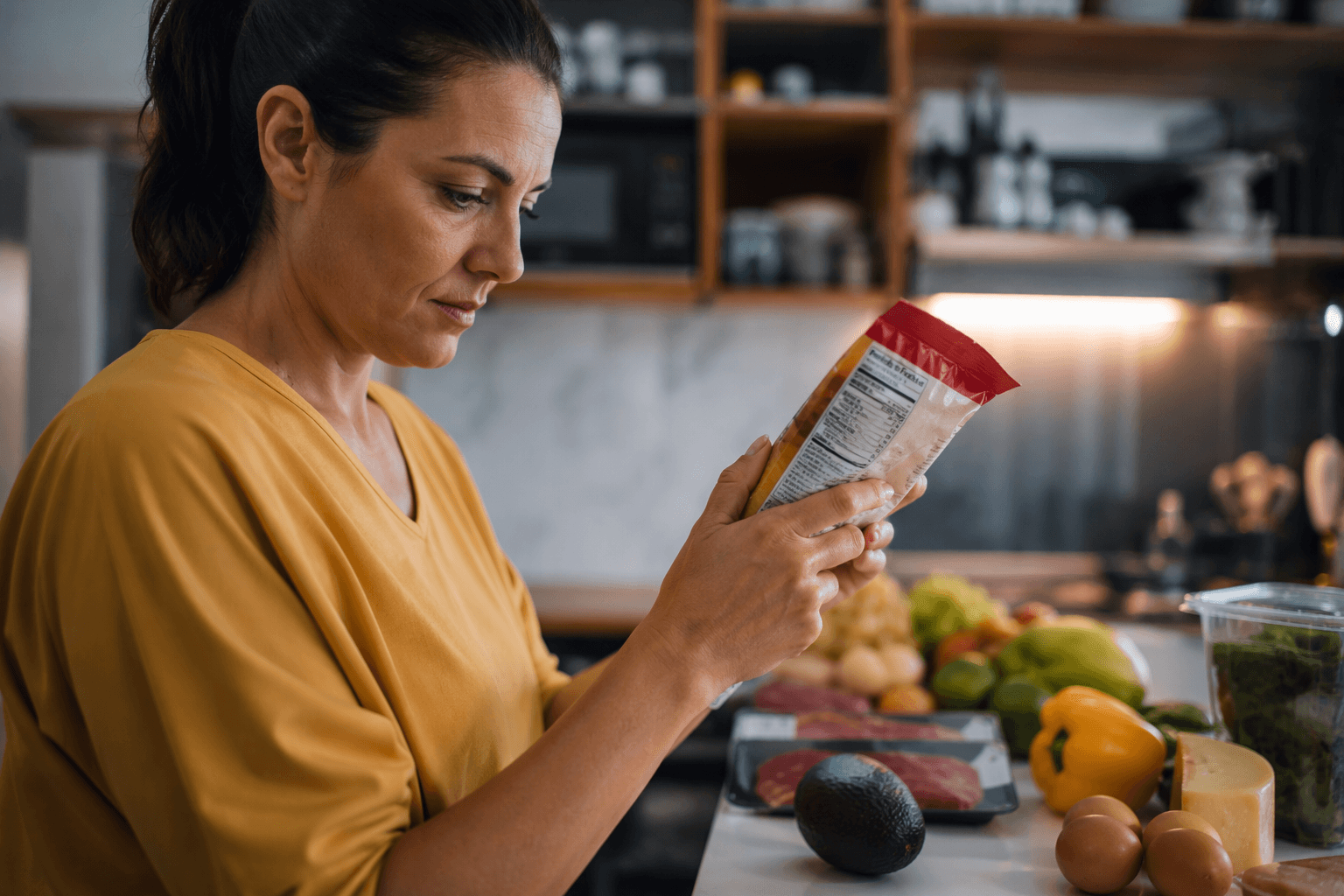
The front of the package is marketing. The Nutrition Facts panel is where the truth starts, and sugar alcohols can appear under total carbohydrate. The FDA’s 2016 labeling rule and related filings also state that sugar alcohols are not considered added sugars, which is why a product can look friendlier than it really is for keto purposes.
- Check total carbohydrate, not just added sugars.
- Look for the specific sugar alcohol, not just the words “sugar-free.”
- Be extra skeptical of protein bars, where maltitol turns up often.
- Start with a small serving and see how your gut responds before you commit to a full snack.
- Treat any sweetener-heavy dessert as a portion problem first, not a permission slip.
The safest habit is simple:
On October 19, 2020, the FDA said it would examine labeling for some alternative sweeteners.
Every story on Keto Diet Magazine is assembled by an automated editorial system that works from verified research, official records, and credible reporting, then clears automated accuracy and moderation checks before it goes live. The standards that system follows are set and overseen by the people who run the publication. Read our full editorial policy.
Did this article answer your question?