Ketogenic therapy can make a child’s lab work look deceptively ordinary, even when the metabolic picture is changing in ways that matter. A new paper published May 17, 2026 in Diabetology International argues that children on ketogenic diet therapy for refractory epilepsy need their own lab reference ranges, because the diet shifts carbohydrate and lipid metabolism enough to blur what “normal” should mean.
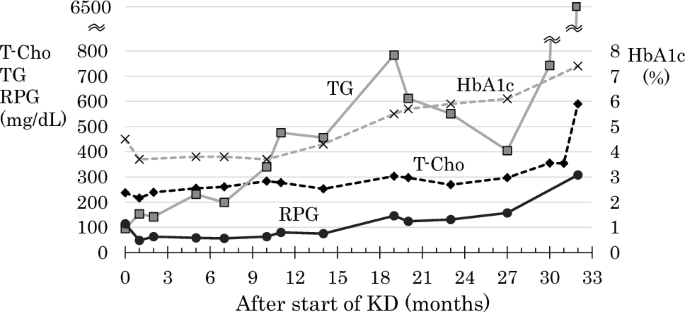
The study looked back at 18 children receiving ketogenic diet therapy and used mixed-effects modeling to calculate geometric means and reference ranges that better fit repeated testing in the same patients. Before therapy, the group’s random plasma glucose averaged 96.7 mg/dL and HbA1c averaged 4.76%. During ketogenic therapy, random plasma glucose fell to 77.6 mg/dL and HbA1c fell to 4.09%, which shows the diet did lower glycemic markers. At the same time, total cholesterol rose from 159.1 mg/dL to 184.5 mg/dL, triglycerides rose from 107.3 mg/dL to 155.5 mg/dL, and HDL cholesterol increased. LDL changed, but not in a way that reached statistical significance.

That is the practical problem the paper is trying to fix. The authors say they had previously seen a patient who developed diabetes during ketogenic therapy, but conventional diagnostic criteria failed to flag the problem. Their argument is straightforward: if standard pediatric ranges were built for children eating a conventional diet, they can miss meaningful shifts in kids whose metabolism has been intentionally pushed into ketosis. In real-world epilepsy care, that can mean a lab slip looks reassuring when it should prompt a closer look.
The stakes are high because ketogenic dietary therapies have been used continuously since 1921 and remain a core nonpharmacologic treatment for drug-resistant childhood epilepsy. The 2018 International Ketogenic Diet Study Group identified four major versions of the therapy, the classic ketogenic diet, modified Atkins diet, medium-chain triglyceride diet, and low glycemic index treatment, and emphasized individualized management with ongoing laboratory monitoring. Johns Hopkins Medicine says its pediatric ketogenic program has treated more than 1,500 children and stresses that the diet should be used with a knowledgeable ketogenic team.

This new paper fits with that long clinical history, but it sharpens the warning. Older reports already showed that ketogenic therapy can cause hypoglycemia and major changes in energy metabolism and lipid concentrations. What this study adds is a cleaner message for parents, neurologists, and dietitians: when a child is on ketogenic therapy, a lab result has to be read through the lens of the diet itself. Otherwise, the numbers can look normal for the wrong reason, or abnormal for the right one.
Every story on Keto Diet Magazine is assembled by an automated editorial system that works from verified research, official records, and credible reporting, then clears automated accuracy and moderation checks before it goes live. The standards that system follows are set and overseen by the people who run the publication. Read our full editorial policy.
Did this article answer your question?