Therapeutic keto is where the affordability gap shows up fast. In adults with epilepsy, the diet is not the loose, weight-loss version familiar from social media. It is a clinically supervised seizure treatment, and a new Australian cost analysis shows that the grocery bill can swing sharply depending on sex, the exact ketogenic protocol, and the diet it is measured against.
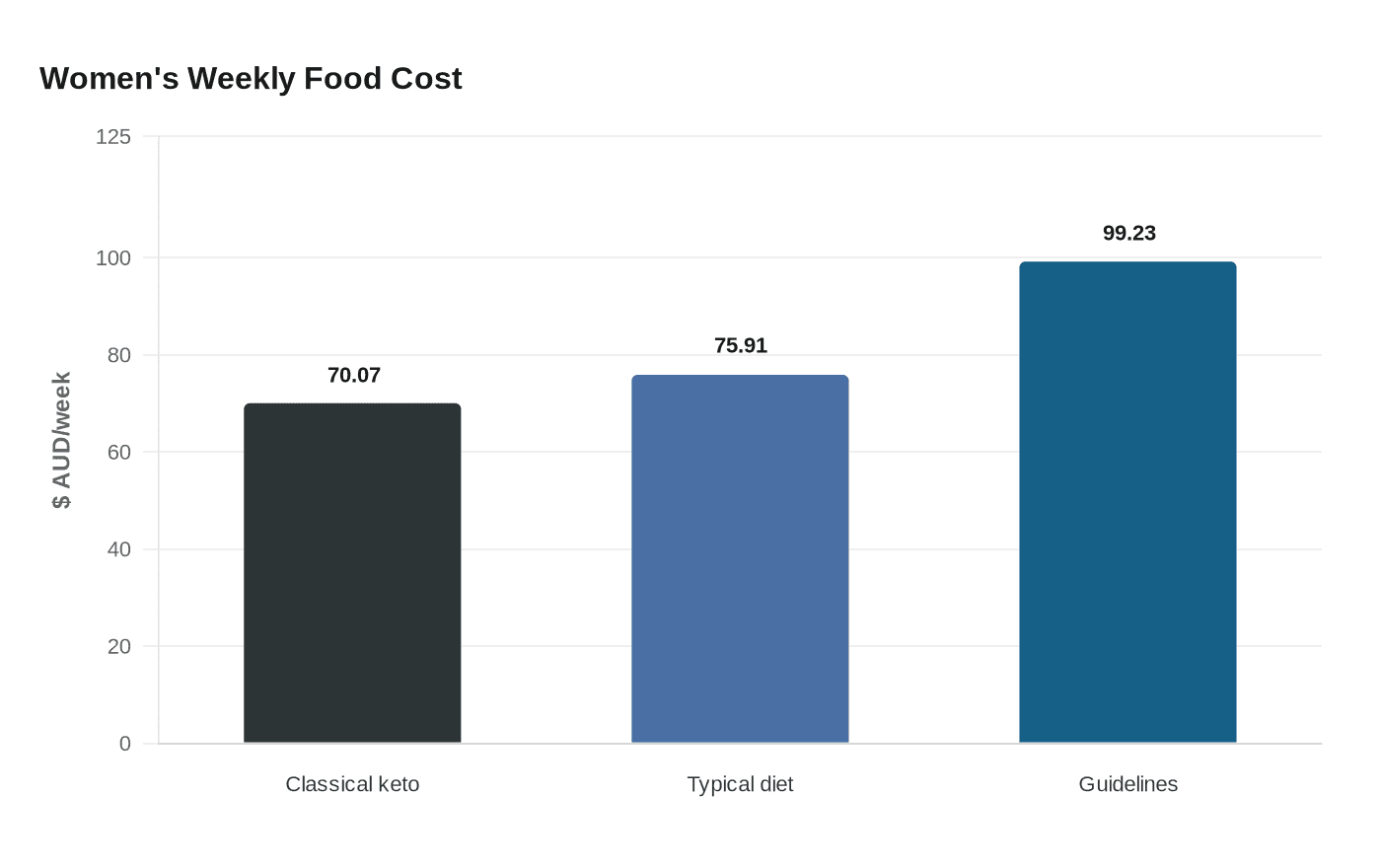
The paper, titled A price check on the ketogenic diet for adults with epilepsy in Australia, compared five meal patterns for reference men and women aged 31 to 50 years. The researchers built seven-day meal plans and priced the ingredients at three supermarkets. For women, the classical ketogenic diet came in at $70.07 AUD a week, cheaper than both the typical Australian diet at $75.91 and the national dietary guidelines at $99.23. For men, the picture flipped. All ketogenic diet types and the national dietary guidelines ran from $94.81 to $119.60, while the typical Australian diet cost $82.98.
That gap matters because the diet in epilepsy is far more restrictive than a casual low-carb plan. Australian epilepsy guidance says ketogenic therapy must be supervised by a dietitian and an epilepsy team with expertise in dietary therapy management, and drug-resistant epilepsy is usually defined as failure to achieve sustained seizure control after two appropriately chosen, adequately administered, and well-tolerated antiseizure medications. This is not a lifestyle tweak. It is a medical intervention that can demand precise shopping, weighed portions, and careful meal planning.
The new numbers also point to the costs that are built into the therapy itself. The study found that, relative to current typical spending, following dietary guidelines or a modified or specialty modified ketogenic plan could raise food costs by 9% to 31% for females and 26% to 44% for males. Some of that pressure can be managed with planning, but the core expense is structural: the diet is more specific, the ingredients are more controlled, and the room for improvisation is smaller than on a standard grocery run.
That is why the authors said financial assistance could help reduce barriers to dietary therapy. The stakes are larger than one shopping basket, too. Ketogenic diet therapy has been used in epilepsy for nearly a century, adherence remains low among adults, and the broader system already carries heavy costs, including a 21.6-fold rise in annual PBS expenditure on ketogenic-diet-related items since 2009 and about $333 million in direct epilepsy health-system spending in 2018-19. For families weighing seizure control against the bill, the study makes the same point from every angle: access to therapeutic keto begins at the checkout.
Every story on Keto Diet Magazine is assembled by an automated editorial system that works from verified research, official records, and credible reporting, then clears automated accuracy and moderation checks before it goes live. The standards that system follows are set and overseen by the people who run the publication. Read our full editorial policy.
Did this article answer your question?