Should governments tax sugar and refined carbs to improve health
A sugar tax could push more shoppers toward water and low-carb staples, but it may also reshape grocery budgets in ways keto families feel fast. The real test is whether it improves metabolic health without making better food harder to afford.
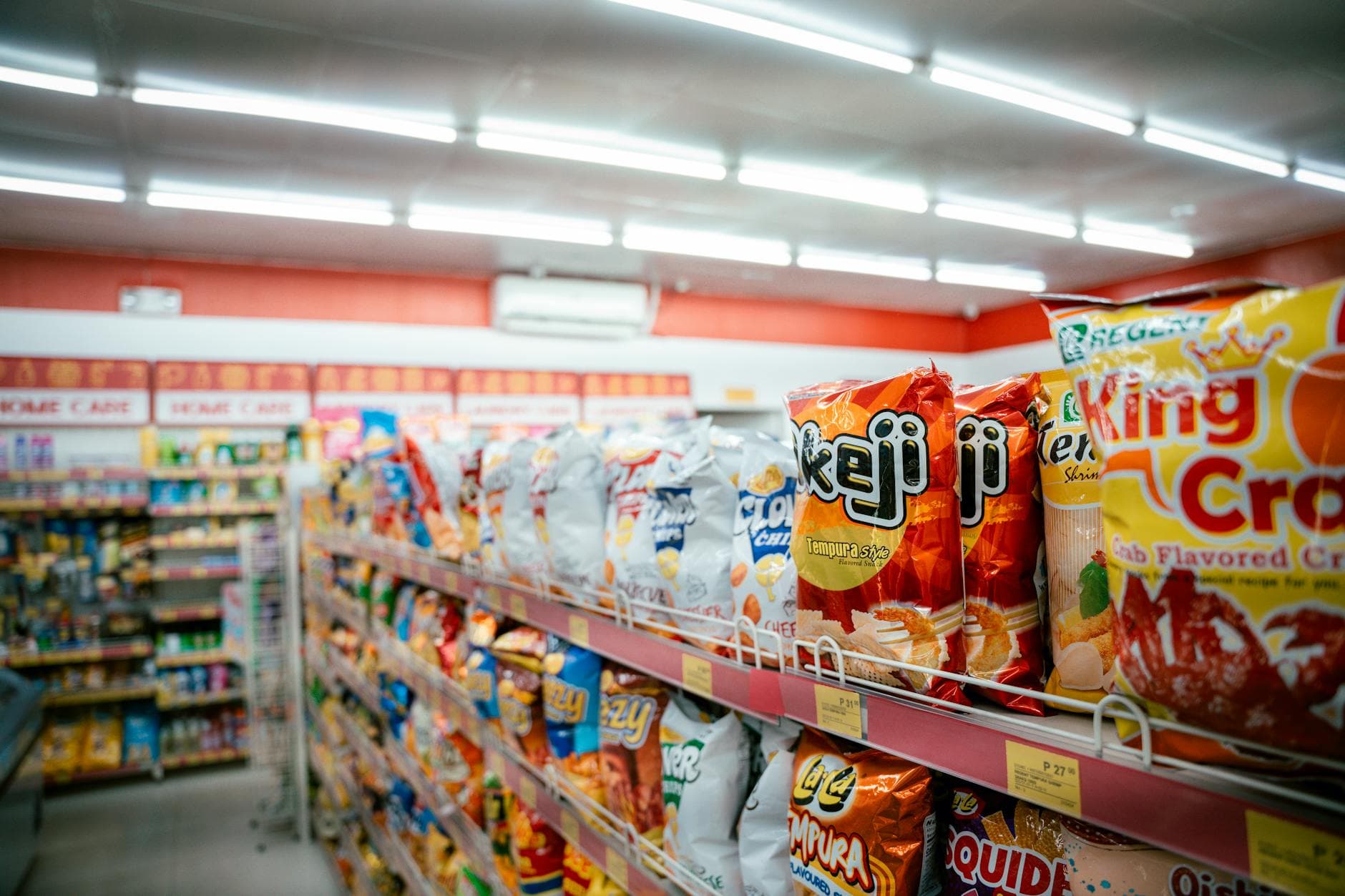
What a sugar tax would actually touch
A tax on sugar and refined carbs sounds like a clean public-health fix, but for keto readers it lands in a very practical place: the grocery cart, the drive-thru menu, and the price gap between whole-food staples and cheap processed calories. The basic case for the policy is simple. Federal nutrition guidance still says added sugars should stay below 10% of total calories, the Centers for Disease Control and Prevention says Americans eat and drink too much added sugar, and excess intake can contribute to weight gain, obesity, type 2 diabetes, and heart disease.
That makes the policy debate bigger than soda alone. The argument now reaching national nutrition circles is whether governments should go beyond advice labels and use taxes to steer consumption away from sugar-heavy and refined-carb-heavy foods that are easy to overeat and hard to ignore. For people living low-carb, the underlying logic is familiar: the food environment matters as much as personal discipline.
Why the policy idea has traction
This is not a brand-new experiment. The World Health Organization says taxes on sugar-sweetened beverages are an evidence-based option for healthier diets, and in 2022 it described them as a “win-win-win” for public health, government revenue, and health equity. The WHO’s 2023 global report also provides a worldwide assessment of sugar-sweetened beverage taxes, showing that the issue has matured from a niche proposal into a real policy tool.
The federal government’s own labeling rules reinforce the same message. Added sugars appear on the Nutrition Facts label because the Dietary Guidelines for Americans recommend keeping them under 10% of total calories per day. Those guidelines are meant to help people meet nutrient needs, promote health, and prevent disease, which is exactly why sugar taxes are now being discussed as more than a symbolic punishment for bad food choices.
Mexico shows the behavior shift can be real
The clearest example comes from Mexico, which implemented a national tax on drinks with added sugar in January 2014. Research on the policy found a 6% reduction in taxed-beverage purchases in the first year, while bottled-water purchases rose by 16.2%. Other work on the Mexican tax literature found the strongest shifts among low- and middle-income households and in urban areas.
That detail matters. It suggests a tax does not just nudge people in the abstract. It can change what gets bought at scale, especially when the price signal is strong enough to push people toward a different default. For keto households, the lesson is obvious: if a tax makes sugary drinks and refined-carb products less attractive, some shoppers will move toward water, eggs, meat, yogurt, nuts, and other lower-carb basics they may already prefer.
What would happen to grocery bills and menus
The upside for metabolic health is only one side of the story. A sugar or refined-carb tax would almost certainly change the price structure inside grocery stores and restaurants, and that is where the policy gets personal. If processed snacks, sweetened beverages, and refined-carb convenience foods become more expensive, families may face a wider gap between those products and better-quality foods that already cost more per calorie.
That could be helpful for shoppers who already buy low-carb staples, but it could also create a new affordability problem for families trying to eat better on a budget. Restaurants would have their own version of the squeeze. Menu items built around sugary drinks, buns, fries, desserts, and ultra-processed sides could see pricing pressure, while lower-carb plates may become relatively more competitive. The policy could slowly rewire what feels like the default meal, but only if the savings and substitutions are visible enough for ordinary consumers.
The health case is real, but not automatic
The strongest argument for the tax is that it targets one of the most reliable drivers of overconsumption: products loaded with added sugar and refined starch. The CDC’s current guidance is blunt that Americans consume too much added sugar, and the WHO links excess sugar intake with type 2 diabetes, dental caries, excess weight, obesity, heart disease, cancer, and strokes. That is a broad disease burden, not a narrow nutrition dispute.
Still, a tax is not the same thing as a metabolic cure. It can reduce purchases, but it does not guarantee better overall diets unless people switch to foods that actually improve satiety and health. That is where keto thinking cuts through the policy hype. If a tax simply swaps soda for other ultra-processed carbs, the health payoff shrinks fast. If it pushes households toward water and minimally processed foods, the effect can be much more meaningful.
Why the politics stay messy
Supporters of sugar taxes have credible backing, but they also face the usual concerns about personal freedom and government overreach. Those objections are why this debate has never been only about nutrition science. It is also about how far governments should go in shaping food choices, and whether a tax should be used to influence behavior when people feel their budgets are already tight.
The American Heart Association has long backed efforts to reduce sugary-drink consumption and says sugary drinks are a major source of added sugar in the United States. Its policy timeline tracks soda-tax campaigns in Berkeley, San Francisco, Philadelphia, Oakland, Seattle, Albany, Boulder, and Cook County, and recent city-level research has looked at whether these taxes are associated with youth and adult BMI trajectories over time. That does not settle the argument, but it does show that local governments have been testing the idea for years, not just talking about it.
What keto readers should watch next
For low-carb families, the most important question is not whether sugar is bad. That part of the case is already baked into federal guidance, CDC warnings, FDA labeling, and the wider public-health consensus. The real question is whether taxation can make healthier choices more reachable without turning better food into a premium product reserved for households that can already absorb higher costs.
A sugar tax may help move the market in the right direction, especially when it hits the products most responsible for excess added sugar. But if it widens the affordability gap between processed carbs and real food, it risks punishing the very families that need practical help the most. The policy debate now sits right where keto has always lived: between physiology and the price of dinner.
Every story on Keto Diet Magazine is assembled by an automated editorial system that works from verified research, official records, and credible reporting, then clears automated accuracy and moderation checks before it goes live. The standards that system follows are set and overseen by the people who run the publication. Read our full editorial policy.
Did this article answer your question?