
Thomas N. Seyfried has revived one of keto’s most persistent oncology claims: that starving tumors of glucose and glutamine by pushing the body into therapeutic ketosis could help fight cancer. The idea still draws attention because it is built around a simple metabolic argument, but the practical question for readers is sharper now than ever: what does that actually mean for someone considering ketosis as part of cancer care?
The strongest support for Seyfried’s framework remains mechanistic. A 2024 BMC Medicine paper on glioblastoma described a consensus approach to ketogenic metabolic therapy based on the tumor’s use of glucose and glutamine, and it presented the glucose-ketone index as a standardized biomarker for checking biological compliance. That fits the broader metabolic theory Seyfried has argued for over the years, alongside fasting and ketogenic diets as tools to shift energy use toward therapeutic ketosis. In the lab and in animal models, the biology can look compelling, but that is not the same as proving benefit in people.

That gap matters because glioblastoma is one of the hardest cancers to treat. A 2024 oncology paper described standard care as producing a median survival of 12 to 15 months, with fewer than 5% of patients living more than 3 years. It is exactly the kind of diagnosis that keeps researchers testing ketogenic strategies, yet the evidence in patients remains thin. Recent systematic reviews say the clinical data are still insufficient or controversial, and the National Cancer Institute’s nutrition guidance stresses a different reality for many cancer patients: malnutrition, anorexia, cachexia and sarcopenia can be major threats.

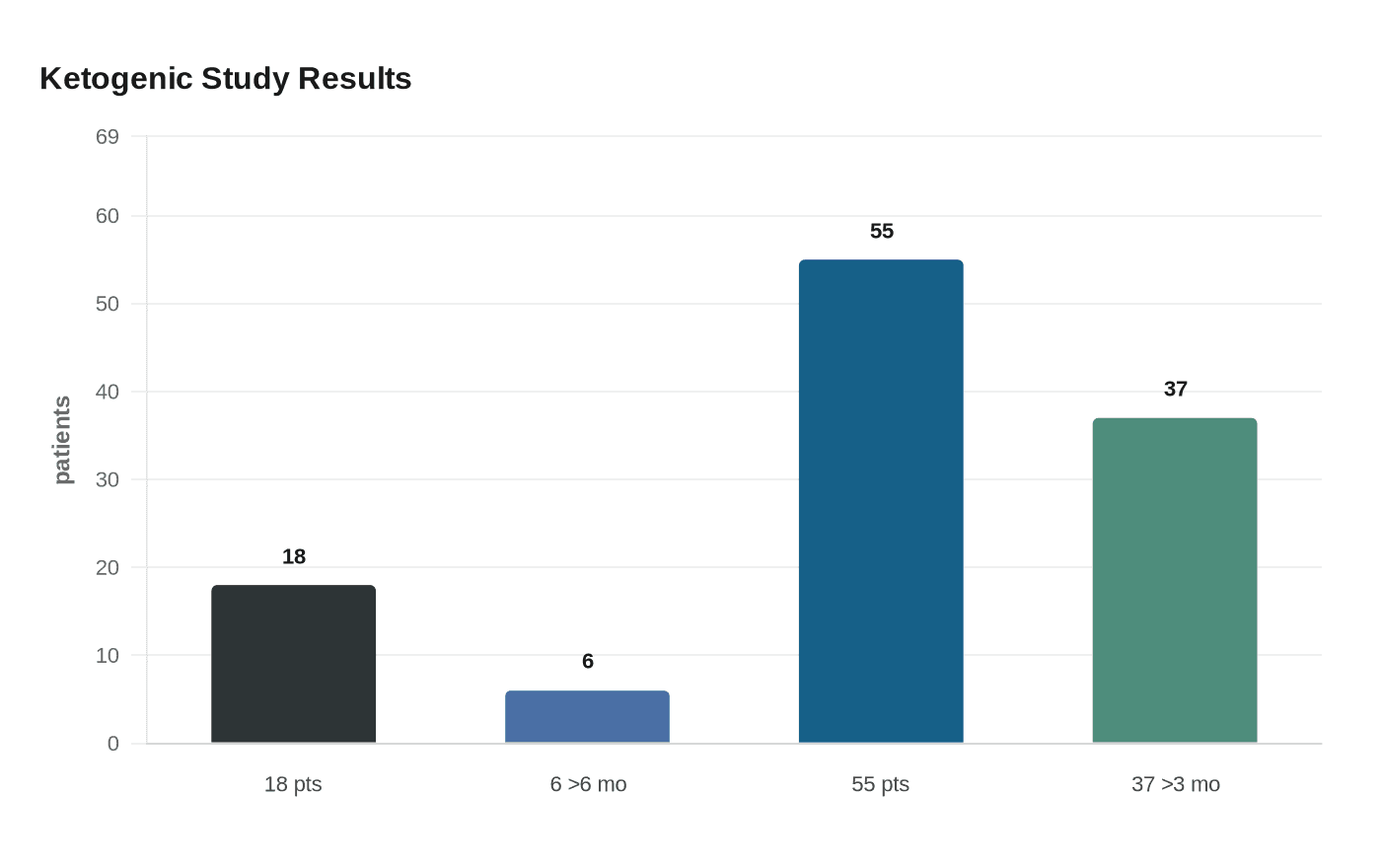
The human studies so far underscore how hard this approach is to sustain. A multi-site phase 2 trial listed on ClinicalTrials.gov is comparing a ketogenic diet with a standard anti-cancer diet in newly diagnosed glioblastoma over 18 weeks, with daily ketone and glucose monitoring. In a 2024 prospective study of 18 patients ages 34 to 75, only 6 stayed on the ketogenic diet for more than 6 months. An earlier advanced-cancer cohort, followed in later reporting, tracked 55 patients, and 37 remained on the diet for at least 3 months. Those numbers show both interest and attrition, which is a familiar keto story even before cancer enters the picture.
There is also reason for caution. Columbia Cancer Center reported mouse research suggesting a ketogenic diet could promote metastasis in some experimental settings, a reminder that tumor biology is not one-size-fits-all. Ketogenic diets began in clinical practice for epilepsy before they were explored for cancer, and that history still shapes how experts frame them today: promising as an adjunct, not a replacement for standard oncology care. For anyone drawn to therapeutic ketosis, the real takeaway is that cancer-related diet changes belong in a medically supervised plan, because the promise in glioblastoma is still being tested against the risks of getting the biology wrong.
Every story on Keto Diet Magazine is assembled by an automated editorial system that works from verified research, official records, and credible reporting, then clears automated accuracy and moderation checks before it goes live. The standards that system follows are set and overseen by the people who run the publication. Read our full editorial policy.
Did this article answer your question?