
You do not have to choose between keto and plant-based. A new systematic review found that predominantly plant-based low-carbohydrate and ketogenic diets improved the markers keto readers watch most closely in obesity and type 2 diabetes, including body weight, LDL cholesterol and HbA1c.
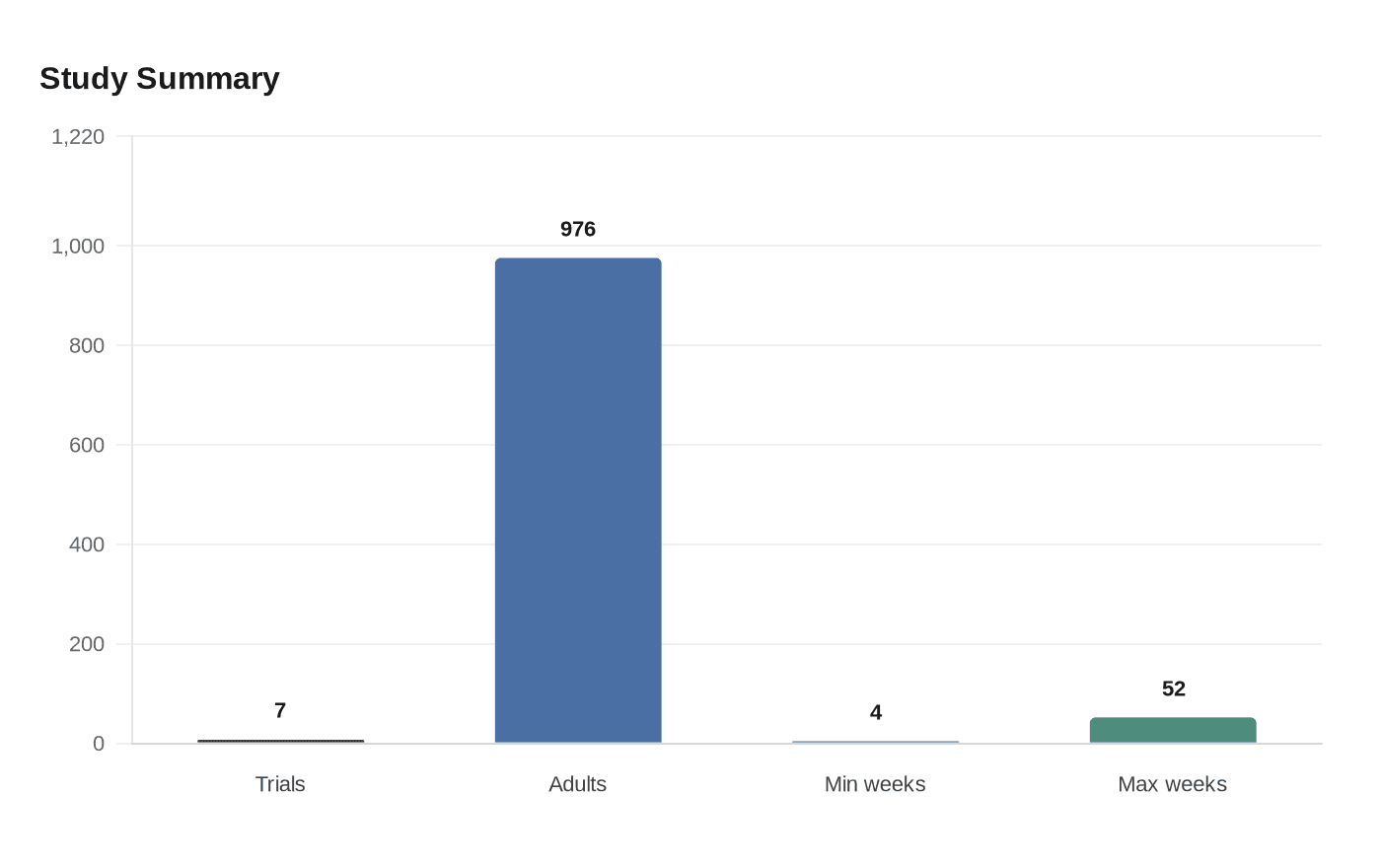
The review, published online ahead of print in Nutrition on March 24, 2026, pooled seven randomized controlled trials with 976 adults. The studies ran from 4 to 52 weeks and were led by Giuseppe Mazzola, Mariangela Rondanelli, Cristina Cabrini and Simone Perna, with ties to the University of Pavia, Azienda di Servizi alla Persona Istituto Santa Margherita, and the University of Milan in Pavia and Milan, Italy. Across the trials, both plant-based low-carbohydrate diets and plant-based ketogenic diets reduced body weight by about 5 to 7 kg, while also improving LDL cholesterol and HbA1c compared with control diets.

The authors graded the certainty of evidence as moderate for weight and lipid outcomes, and moderate-to-low for glycemic control. That matters for the keto crowd because it suggests the signal is real, but not equally strong across every endpoint. In practical terms, a plant-based keto plate changes the usual low-carb script: less reliance on the animal-heavy staples that dominate standard keto, more planning around plant proteins and low-carb vegetables, and more attention to keeping fat intake high enough without leaning on meat, cheese and butter as the default setting.
Adherence was one of the clearest dividing lines. The review found high adherence in controlled settings, where meals and rules are tightly managed, but compliance fell once diets moved into free-living conditions. The authors said plant-based low-carbohydrate diets appeared more feasible for the long term, while plant-based ketogenic diets delivered stronger short-term effects but required supervision. That split is especially relevant for readers who like keto for its precision but want a version that fits a plant-forward kitchen.
The sustainability evidence was much thinner. Only one study measured greenhouse-gas emissions, finding a result of -0.63 kg CO2 per day, and the review rated the sustainability evidence very low overall. Still, the paper placed these diets inside a One Health framework, arguing that human metabolic goals and environmental goals do not have to pull in opposite directions. The authors also noted that ketogenic approaches are already established in longer-term therapeutic settings such as GLUT1 deficiency and drug-resistant migraine. For keto followers, the takeaway is simple: plant-based does not have to mean off-plan, it can mean a different way to build the same low-carb discipline.
Every story on Keto Diet Magazine is assembled by an automated editorial system that works from verified research, official records, and credible reporting, then clears automated accuracy and moderation checks before it goes live. The standards that system follows are set and overseen by the people who run the publication. Read our full editorial policy.
Did this article answer your question?