UCSF’s latest cancer roundup is a good reminder that nutrition is not one-size-fits-all, and that matters a lot if you come at this from a keto mindset. The clearest human data in the package points toward a more plant-based pattern after localized prostate cancer diagnosis, while the ketogenic angle shows up in mice, tied to a very specific drug pairing and a very specific metabolic target.
Plant-based eating and localized prostate cancer
The strongest finding in the roundup came from a cohort of 2,062 men with nonmetastatic prostate cancer. Men with the highest plant-based diet scores had a 47% lower risk of their cancer progressing than men with the lowest intake of plant foods, a signal that held up over a median follow-up of 6.5 years after the dietary questionnaire was completed. The study, published in JAMA Network Open, recorded 190 progression events and 61 prostate cancer-specific deaths, which gives the result real clinical weight instead of the usual wellness fluff.
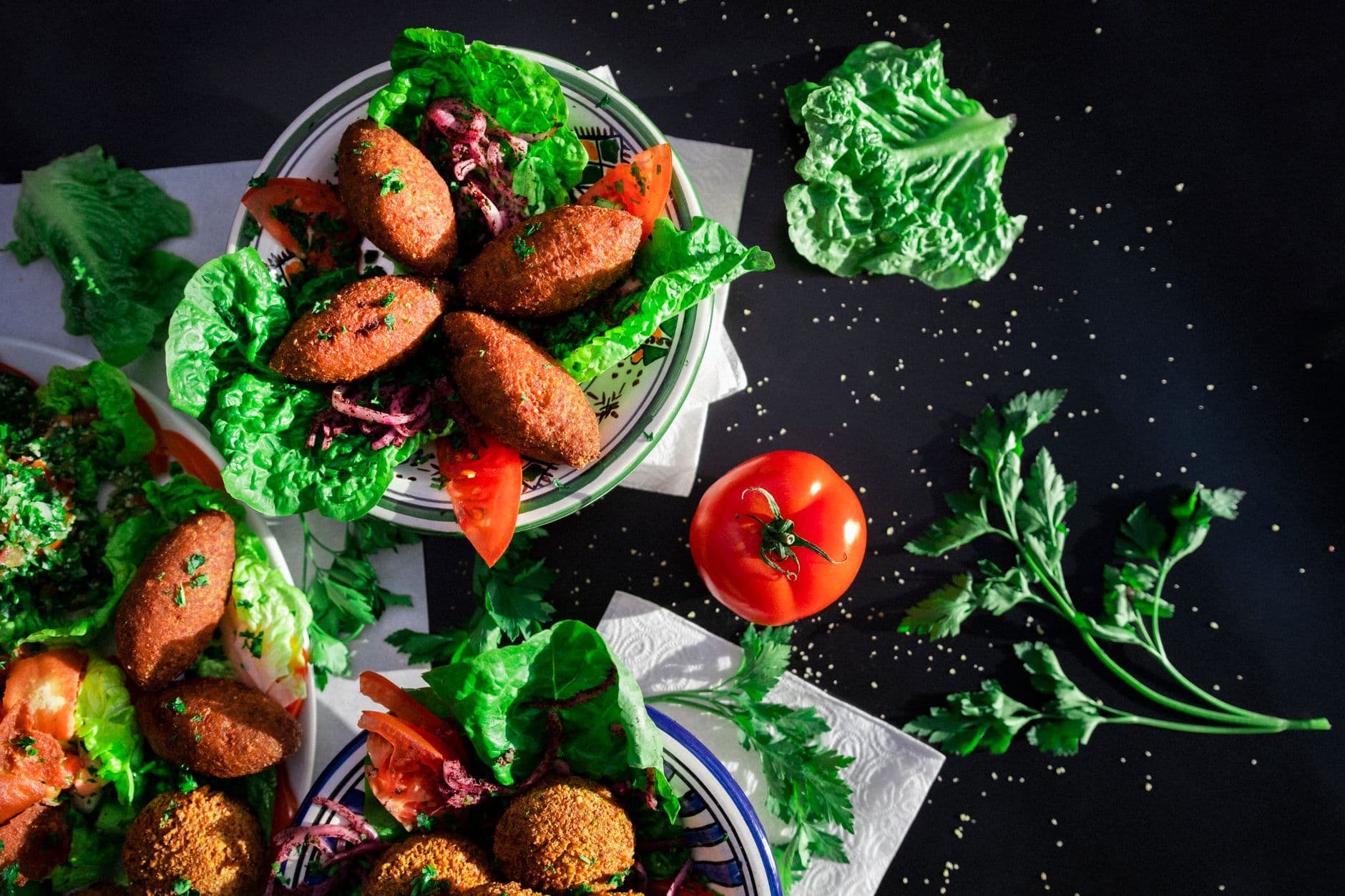
The food pattern itself was not exotic. The better outcomes were linked to modest shifts: more fruits, vegetables, whole grains, nuts, and olive oil, with less meat and dairy. That is the part keto readers should notice, because this is not a story about a magic supplement or a dramatic cleanse. It is about a dietary direction that looks materially different from a strict animal-heavy approach, and it appears to matter once prostate cancer is already in the picture.
UCSF framed the finding as part of a broader pattern, where diet after diagnosis may influence both survival and day-to-day quality of life. In this case, that quality-of-life angle was not vague or hand-wavy. The men in the better diet category saw benefits in sexual function, urinary function, and vitality, which are exactly the issues that can make a prostate cancer diagnosis feel like more than a number on a pathology report.
Why this matters more than another generic cancer diet headline
The practical lesson here is not that everyone should suddenly ditch keto. It is that cancer nutrition is disease-specific and mechanism-specific, and prostate cancer is not pancreatic cancer, breast cancer, or anything else. A food pattern that may be helpful in one setting can be irrelevant, or even the wrong lens, in another.
That is where a lot of online cancer nutrition advice goes off the rails. People grab a single diet label, then try to apply it to every tumor, every treatment, and every metabolic question. The UCSF prostate data pushes in the opposite direction: it suggests that after diagnosis, the details of what you eat can matter, but the details need to match the disease and the biology.
For readers who track macros and insulin signaling, the temptation is always to turn every cancer story into a keto proof point. This one does not support that shortcut. The human evidence highlighted here points toward a more plant-based intake in localized prostate cancer, not toward blanket carb restriction as a cure-all.
The ketogenic angle in pancreatic cancer is much narrower
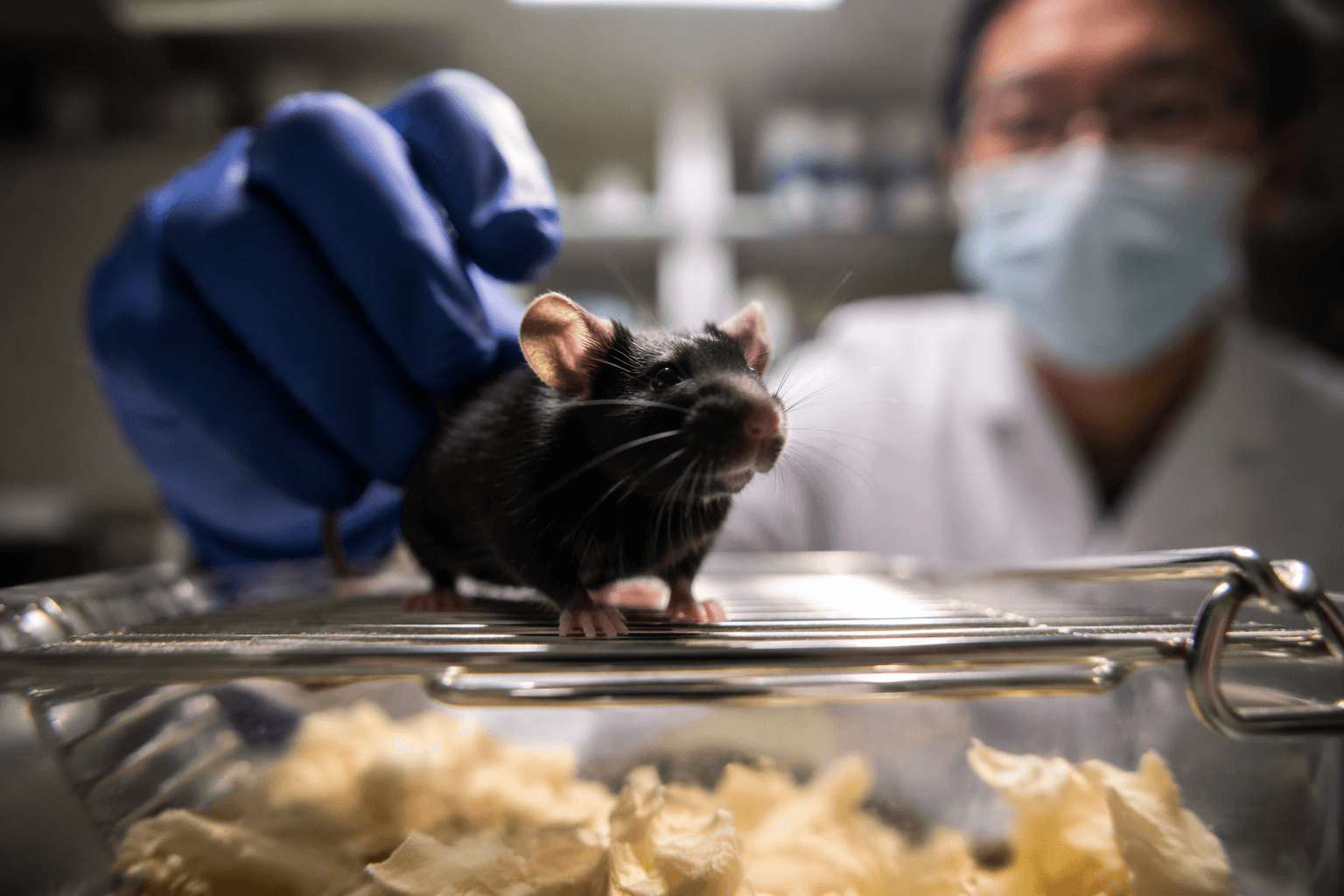
The keto piece in the UCSF roundup is interesting, but it sits in a completely different evidence lane. UCSF described mouse research in pancreatic cancer where a ketogenic diet was paired with the experimental drug eFT508, and the tumors shrank. The mechanism was the real story: the diet pushed the cancer cells to rely on fat for fuel, while the drug blocked their ability to use that fuel pathway by targeting eIF4E and fat metabolism.
That means the result is about metabolic vulnerability, not about keto standing alone as a cancer therapy. The point was not that a high-fat diet magically starved tumors on its own. The point was that the diet and the drug worked together in a way that cut off the cancer’s energy options while the mice remained on the ketogenic diet.
UCSF researcher Davide Ruggero described that work as the foundation for a new way to treat cancer with diet and personalized therapies. That is an important distinction for anyone looking for actionable guidance. The promise here is not a universal cancer diet, but a more precise strategy in which a diet is matched to a tumor’s biology and to a treatment that exploits that biology.
What keto readers should actually take from this
If you want the honest takeaway, it is this: keto is not irrelevant to cancer research, but it is not the headline answer either. In localized prostate cancer, the best-supported signal in this roundup came from eating more plants and less animal product, with real-world benefits tied to sexual, urinary, and overall vitality after diagnosis. In pancreatic cancer, keto appears only as part of an experimental combination strategy in mice, where the metabolic target was as specific as the drug itself.
That is the sort of nuance the cancer nutrition conversation needs more of. The biology changes from one disease to the next, and the right diet question is usually narrower than the internet makes it sound. In this roundup, the plant-forward prostate data is the human evidence worth respecting, and the keto-pancreatic work is the reminder that mechanism matters more than ideology.
Every story on Keto Diet Magazine is assembled by an automated editorial system that works from verified research, official records, and credible reporting, then clears automated accuracy and moderation checks before it goes live. The standards that system follows are set and overseen by the people who run the publication. Read our full editorial policy.
Know something we missed? Have a correction or additional information?
Submit a Tip