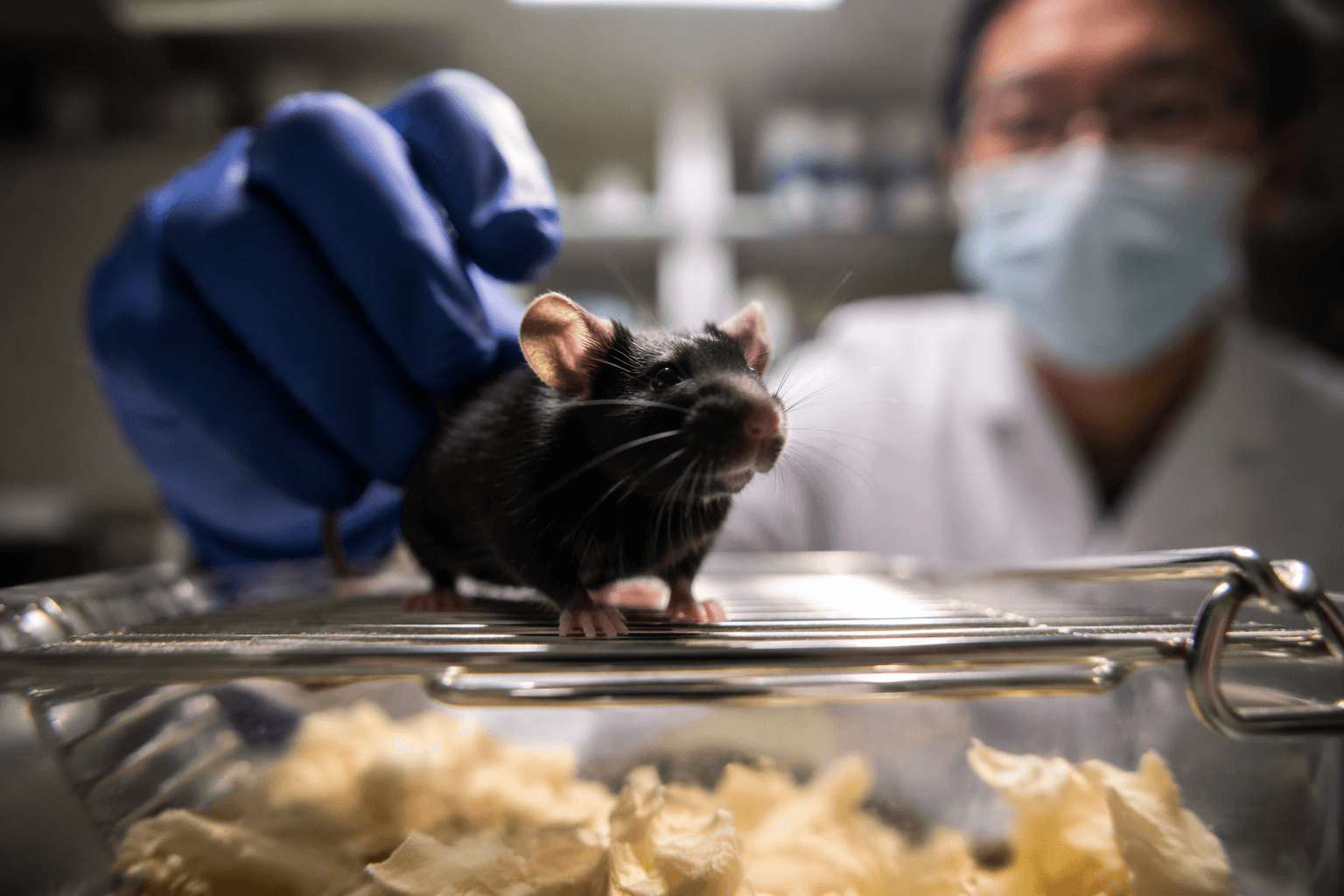
A sugar-free label did not deliver a metabolic clean bill of health in a mouse study that should make low-carb readers pause before treating zero-sugar packaged food as automatically better. Over 16 weeks, researchers fed one group a sucrose-free low-fat diet and another a low-fat control diet that still contained sucrose. The mice on the sugar-free plan ended up with worse glucose tolerance, reduced insulin sensitivity and signs of gut and liver injury, even though body weight was not dramatically different between groups.
The work, abstract ORF07-04, titled Sucrose-Free Low-Fat Diet Induces Metabolic Dysfunction through Gut Dysbiosis and Colonic Inflammation in Mice, was presented at ENDO 2026 in Chicago on Saturday, June 13, 2026. ENDO is the Endocrine Society’s annual meeting, and the society says it has more than 18,000 members in 133 countries. With six mice in each group, 16S rRNA sequencing showed reduced gut microbial diversity and a drop in Lactobacillus murinus and Lachnospiraceae, both important short-chain fatty acid-producing bacteria. At the same time, Helicobacter ganmani, Odoribacter splanchnicus and Alistipes species became more prominent. The sugar-free mice also showed altered circulating hormones, including higher C-peptide, incretins, ghrelin and resistin, plus lower fasting insulin.
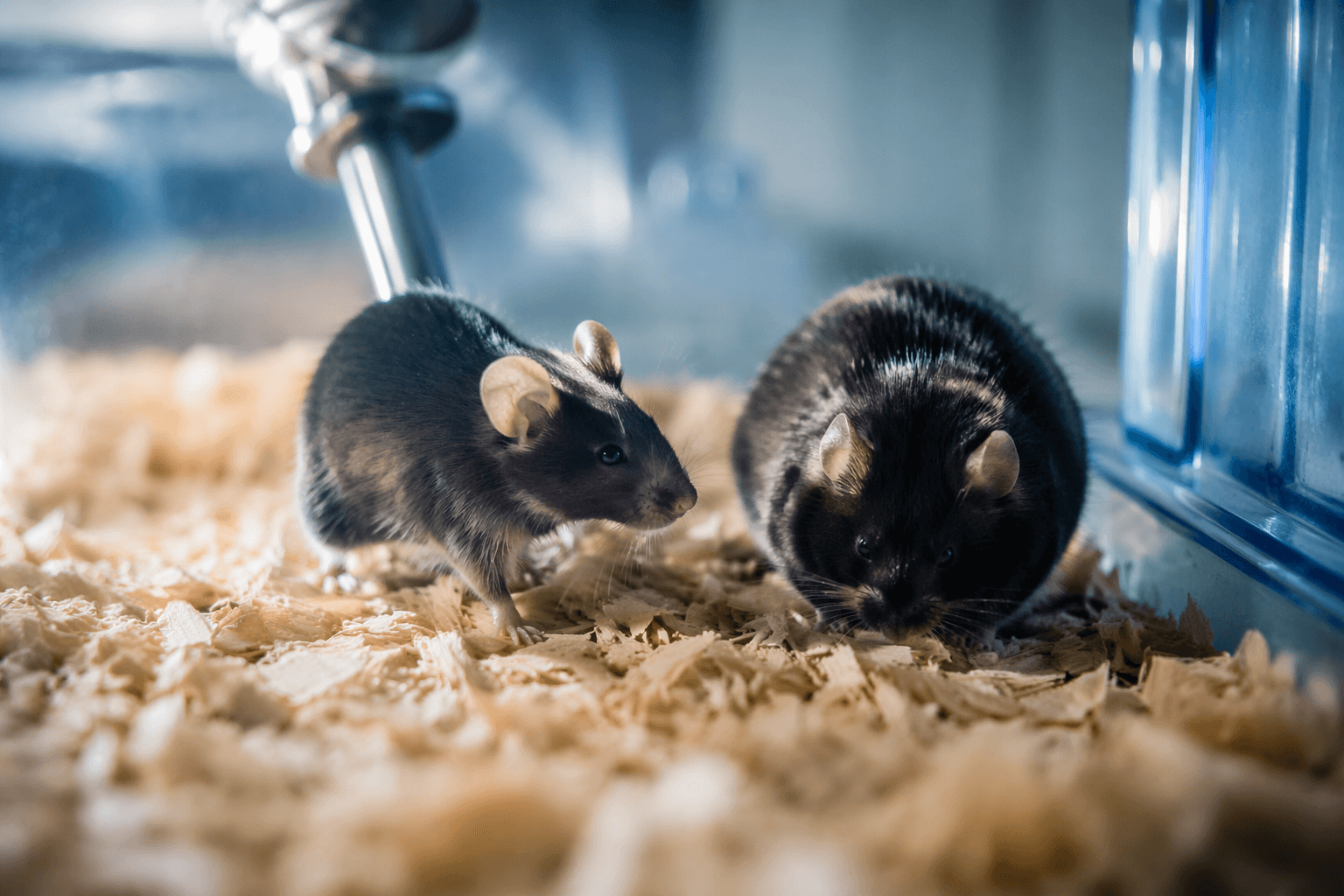
The damage did not stop in the gut. The colons showed crypt architectural disruption, loss of goblet cells and more CD3+ T cells and F4/80+ macrophages, along with higher IL-1, IL-6, CCL2, RORt and TBX21. The liver showed microvesicular steatosis, lobular inflammation and more F4/80+ and CD11c+ immune cells, with increased IL-1 and IL-6 expression. The manuscript was received on February 19, 2026 and accepted on May 15, 2026 before appearing in Frontiers in Immunology.
Rasheed Ahmad, principal scientist and head of the Immunology & Microbiology Department at Dasman Diabetes Institute in Kuwait City, Kuwait, said the findings may shape future dietary recommendations by putting a healthy gut microbiome ahead of simple sugar restriction. Faisal Hamed Al-Refaei, the institute’s acting director general, tied the work to evidence-based public health research. For keto readers, the reality check is sharp: this was a mouse test of a sucrose-free low-fat diet, not proof that sugar belongs back on the plate, but a reminder that a sugar-free food can still miss the mark if the rest of the diet does not support the gut.
Every story on Keto Diet Magazine is assembled by an automated editorial system that works from verified research, official records, and credible reporting, then clears automated accuracy and moderation checks before it goes live. The standards that system follows are set and overseen by the people who run the publication. Read our full editorial policy.
Did this article answer your question?