The confusion between paleo and keto starts in the same place: both pull carbs off the plate. After that, they split hard, because one is built around food quality and the other around a metabolic target. If you are trying to choose between them, the real question is not which sounds cleaner on paper. It is whether you want a hunter-gatherer style menu or a strict macro setup that keeps your body in ketosis.
Paleo is about the kind of food, not just the number of carbs
Paleo is the easier of the two to describe in kitchen terms because it starts with a simple idea: eat in a way that resembles a pre-agricultural diet. Mayo Clinic says it leaves out foods that became common after farming began about 10,000 years ago, including grains, legumes and dairy. The usual menu is meat, fish, eggs, vegetables, fruits, nuts and seeds, with processed foods pushed out as well.
That food-first approach is why paleo can feel familiar and also flexible. Harvard T.H. Chan School of Public Health notes that there is not one single “true” paleo diet, because followers disagree and adapt it differently by region and interpretation. That looseness is part of its appeal, but it is also part of the problem for anyone who wants a crisp rule book. Paleo is less about hitting a precise number and more about asking whether the food looks natural and minimally processed.
The practical wrinkle is that paleo still allows some foods that keto often cuts. Fruit and starchy roots can fit within a paleo framework, which makes it easier to build meals that feel less punishing. But the same openness means paleo is not automatically low enough in carbohydrate to produce ketosis. If your goal is fat-burning through ketones, “paleo-ish” is not the same thing as keto.
Keto is a macro strategy, not a food purity test
Keto works from a completely different premise. Johns Hopkins Medicine describes it as a very high-fat, very low-carbohydrate diet, with enough protein to support growth in children. The point is not food ancestry or ingredient purity. The point is to lower carbohydrate intake enough that the liver starts breaking down fat into ketone bodies, which the brain and muscles can use as backup fuel.
That metabolic switch is what makes keto distinct. Once carbs drop far enough, the body shifts into ketosis, and that is the target. If you miss that threshold, you are not really doing keto, no matter how many bacon strips or fat bombs are on your plate. The label only matters if the carb limit is tight enough to keep ketone production going.
The history matters here, too. Johns Hopkins says ketogenic diet therapy for epilepsy goes back to at least 1915, and a 2019 review in Epilepsy & Behavior says Russell M. Wilder published two papers in July 1921, including one reporting successful ketogenic-diet use in three epilepsy patients. Mayo Clinic says Dr. Wilder at Mayo Clinic developed the diet to treat children with severe epilepsy, and Cleveland Clinic notes that ketogenic diet therapy is used when antiseizure medications are not giving the desired results. This was not born as a social-media weight-loss trend. It started as a clinical tool.
The food lists are where people get tripped up
The easiest way to see the difference is to look at the overlap and the exceptions. Both diets can center on meat, fish, eggs and non-starchy vegetables. Both usually cut sugar, bread, pasta and most packaged snack foods. That overlap is why people keep lumping them together.
But the exceptions tell you what each diet is really doing. Paleo allows fruit and starchy roots that keto usually excludes. Keto, on the other hand, allows higher-fat dairy such as butter and cream that classic paleo generally avoids. So the question is not simply whether you are eating whole foods or low-carb foods. It is whether you are organizing your meals around ancestral-style food rules or around the fat-carb ratio needed for ketosis.
That difference shows up fast in real life. A paleo plate can look generous and varied, especially if you are comfortable with fruit, sweet potatoes or other root vegetables. A keto plate tends to feel more engineered, because every serving has to respect the carb ceiling. If you like room for improvisation, paleo gives you more slack. If you like precision, keto gives you a target.
Which one is easier to live with depends on your goal
If your main goal is eating fewer processed foods and cleaning up the quality of what you eat, paleo is usually the more forgiving path. It asks a simpler question at every meal: is this food close to its natural form? That can make it easier to follow without obsessing over macros, especially if your cooking style already leans toward meat, vegetables and whole ingredients.
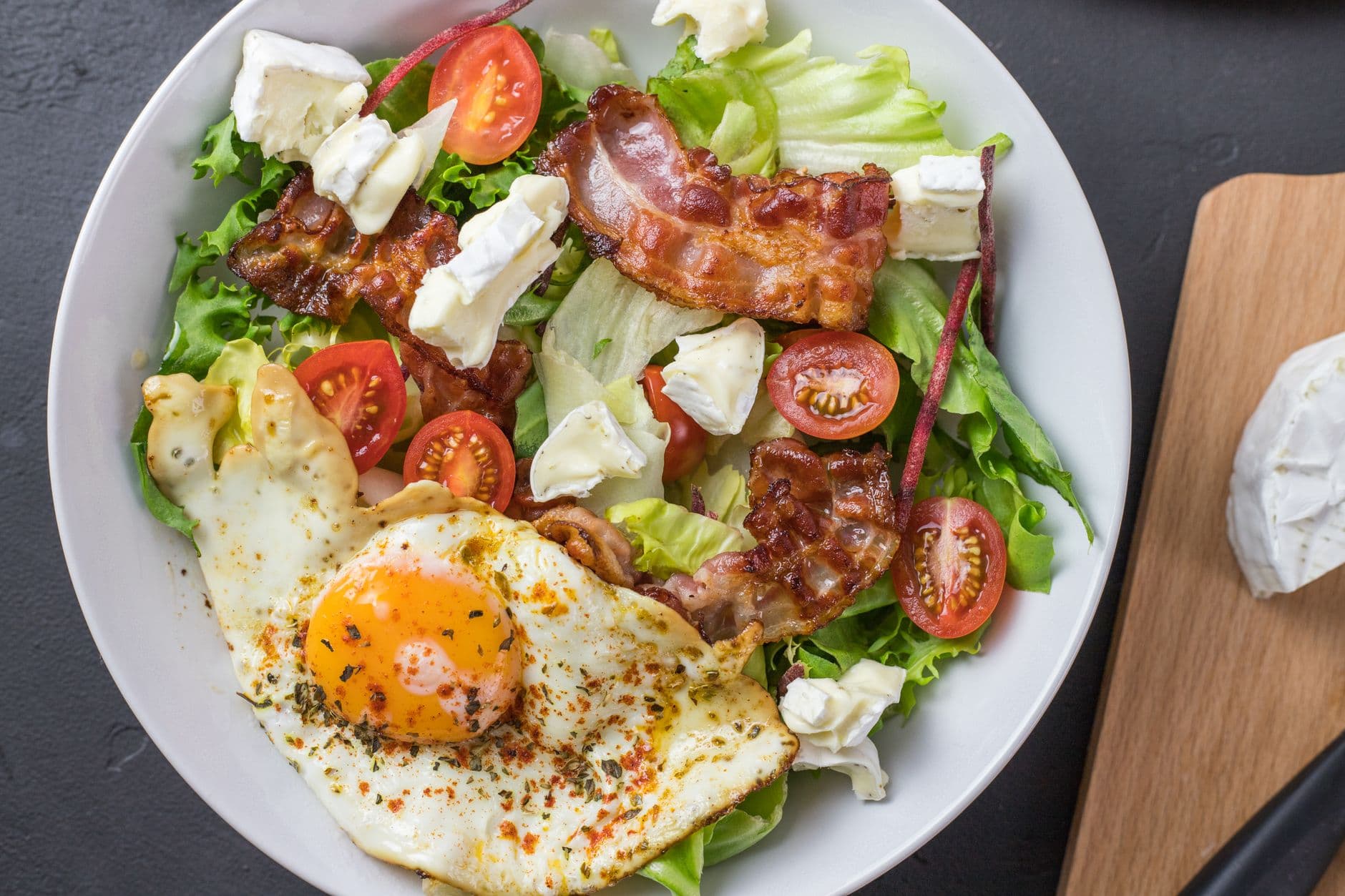
If your goal is ketosis, appetite control built around strict carbohydrate limits, or a medically informed low-carb approach, keto is the more direct tool. It is not enough to eat “healthy” in the general sense. You have to keep carbs low enough to push the body into ketone production, and that takes more tracking, more label reading and, in practice, more discipline.
That is also why keto can be a better fit for people who like numbers and clear boundaries. Paleo can feel easier at the grocery store, but keto tends to be easier to measure. The tradeoff is that keto’s precision can make it harder to sustain if you do not enjoy the routine of counting grams and managing every carb-heavy side dish.
Keto today is broader than the old headline version
One reason keto still gets misunderstood is that the term now covers more than one exact protocol. UpToDate notes that ketogenic dietary therapies include the classic ketogenic diet, modified Atkins diet, low glycemic index treatment and medium-chain triglyceride diet. That matters because “keto” in a medical or therapeutic context is not always the same thing as the internet version built around ultra-strict macro tracking.
Even with those variations, the core idea stays the same: the diet is designed to keep carbohydrate intake low enough to support ketosis. That is the line paleo does not have to cross. Paleo can be relatively low-carb, but it does not need to be. Keto must be.
So if you strip away the buzzwords, the choice comes down to this: paleo asks which foods belong on the plate, while keto asks whether the plate keeps your body in ketosis. That is why they feel similar in the first aisle of the grocery store and completely different by the time you get home.
Every story on Keto Diet Magazine is assembled by an automated editorial system that works from verified research, official records, and credible reporting, then clears automated accuracy and moderation checks before it goes live. The standards that system follows are set and overseen by the people who run the publication. Read our full editorial policy.
Did this article answer your question?