One newcomer in r/keto said they had just started and were landing at roughly 46% fat, 50% protein, and about 4% carbs, with those carbs mostly going to seasonings. That tiny detail is the whole story: once sugar and starch are gone, the hard part becomes deciding what counts, what fits, and how to keep the plan livable. The subreddit’s regular support thread exists for exactly that stage, where first-timers and restarters need a place to ask the questions that feel too small for a full post.
Why the support thread matters
The thread works because it gives beginners room to be messy. Carb counting, meal planning, hunger, cravings, energy, and hidden carbohydrates are all normal first-week problems, and they are easier to untangle when you can compare notes with people who have already lived through the same adjustment. r/keto also frames itself as the “Home for Ketogenic Diets,” which says a lot about its role: this is not just a feed, it is a central checkpoint for people trying to make keto make sense in daily life.
That matters because early keto is rarely about one dramatic breakthrough. It is usually about small corrections, like realizing a seasoning blend is not free just because it looks harmless, or seeing that a meal built around protein may still need a better fat balance to feel sustainable. The support-thread format is built for those little corrections, the kind that keep a new keto plan from feeling like a guessing game.
The macro numbers people are trying to translate
The r/keto FAQ describes the traditional keto split as about 5% carbs, 25% protein, and 70% fat. Broader keto macro guidance commonly puts carbohydrate intake in the 5% to 10% range of calories, which shows why many beginners hear slightly different targets depending on where they are reading. That range can feel slippery at first, but it is also the reason community spaces matter: the headline idea is simple, while the day-to-day math is not.
The contrast with the classic therapeutic ketogenic diet makes that even clearer. A 2021 review in PubMed Central notes that the classic therapeutic version was originally created to manage childhood seizures, with a much stricter setup of about 90% fat, 6% protein, and 4% carbohydrate, plus a 4:1 ratio of grams of fat to combined protein and carbohydrate. That medical version helps explain the roots of keto, but it is not the same thing most people are trying to do when they ask about macros in a support thread. On r/keto, the issue is usually not whether keto exists, but how to make the macro target fit a real kitchen, real shopping list, and real appetite.
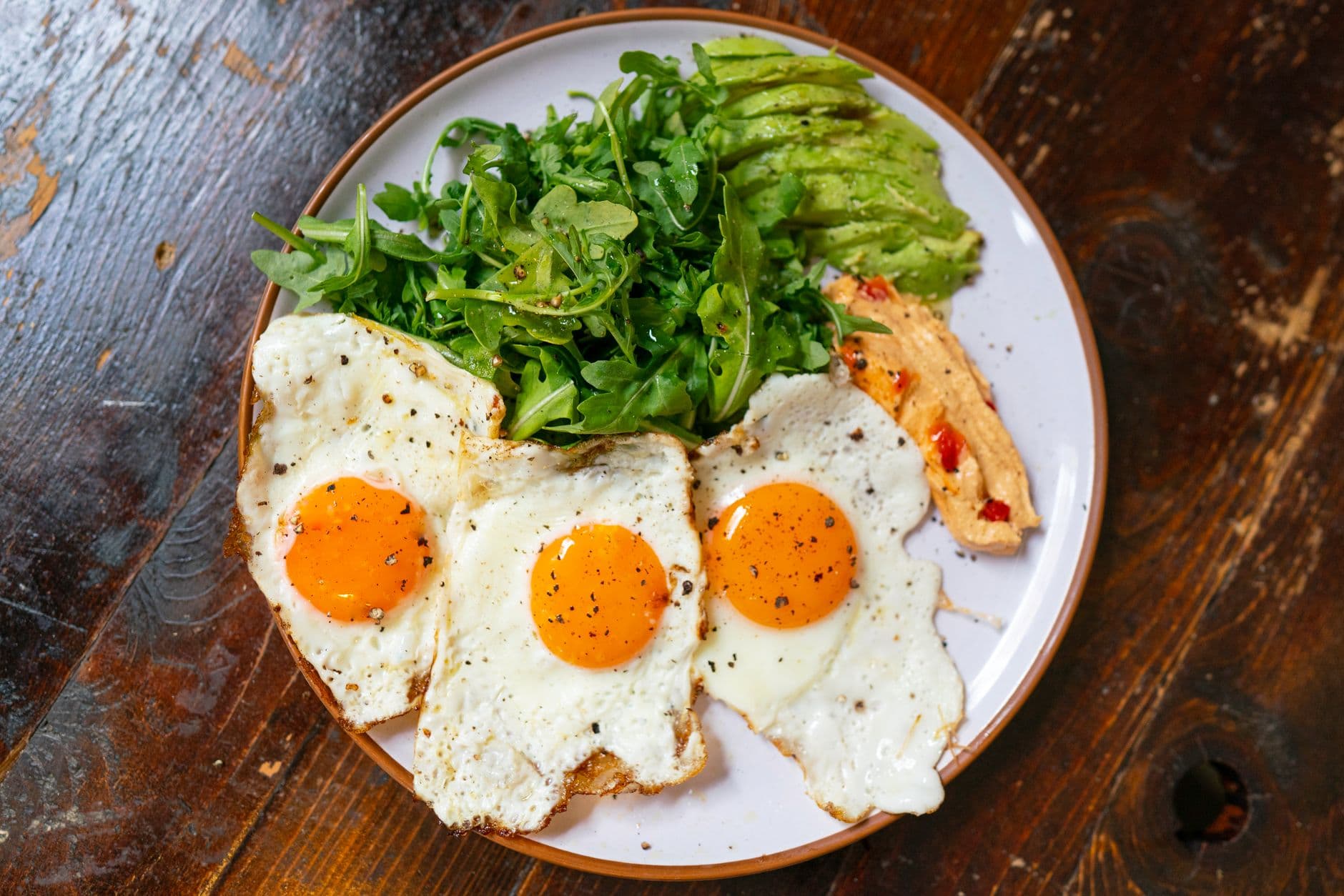
The newcomer’s 46% fat, 50% protein, and 4% carb day shows where beginners often start. They understand the carb limit first, then discover that the rest of the split still needs work, especially if they want the diet to feel consistent instead of accidental. A low carb total is only one piece of the plan, and the thread is where people usually start checking whether the rest of the plate is making sense.
Hidden carbs are where beginners get tripped up
Seasonings are the perfect example of the hidden-carb problem because they look too small to matter until they do. The post that kicked off the discussion shows a beginner already thinking that way, using most of their carb budget on seasonings instead of obvious starches or sugar. That is a very keto kind of worry, and it is exactly why the first week can feel more precise than people expect.
Once the obvious carbs are gone, the remaining challenge is consistency. A beginner may have no trouble avoiding bread, pasta, or dessert, then suddenly realize that the pinch of seasoning they barely noticed is now part of the day’s carb total. That shift from broad avoidance to careful tracking is where community advice becomes useful, because it helps people move from “I stopped eating carbs” to “I understand where the carbs are hiding.”
A simple roadmap for the first weeks
1. Start with the community baseline. Use the r/keto FAQ’s traditional split, about 5% carbs, 25% protein, and 70% fat, as the first reference point.
If you are coming from a general low-carb mindset, that frame helps you see that keto is not just “fewer carbs,” it is a specific pattern with a narrower carb target.

2. Keep your carb math simple at first. Broader keto sources commonly describe carbs as 5% to 10% of calories, so you do not need to guess blindly.
Focus on the ingredients that add up fastest, and remember that seasonings, not just starches, can shift the total when you are keeping carbs very low.
3. Use the thread to sanity-check the first week. Hunger, cravings, energy changes, and meal-planning problems are all common early questions, and the support format is built to handle them.
If your first attempt feels awkward, that does not mean you are doing keto wrong, it usually means you are still translating the macro idea into meals you can repeat.
4. Treat restarts like starts. The same thread that helps first-timers also helps people coming back after falling off.
Starting over often raises the same questions again, especially about hidden carbs, meal structure, and whether your old routine still fits your current macro target.
The useful part of this support model is that it normalizes the learning curve. Nobody arrives knowing how to balance fat and protein, or how to tell whether a little seasoning has become too much seasoning, and the thread gives people a place to make those mistakes without having to turn them into a full public confession. That lowers the friction enough for the diet to become a routine instead of a stunt.
That newcomer who started at 46% fat, 50% protein, and 4% carbs is exactly why the thread works. It catches the moment when keto stops being a slogan and becomes a set of choices about seasonings, ratios, and what to do when the first week feels clumsy.
Every story on Keto Diet Magazine is assembled by an automated editorial system that works from verified research, official records, and credible reporting, then clears automated accuracy and moderation checks before it goes live. The standards that system follows are set and overseen by the people who run the publication. Read our full editorial policy.
Did this article answer your question?