Nature put a hard number hunt at the center of keto’s oldest argument on July 14, 2026, publishing Defining a ketone threshold for weight loss, a study that tracked daily beta-hydroxybutyrate, or BHB, for 14 days in 217 people on a ketogenic diet. The paper, published in Nutrition & Diabetes by Antonio Paoli, Giuseppe Cerullo, Samuele Paoli, Davide Charrier, Jacopo Givralli, Antonino Bianco, Giovanna Boccuzzo, Pietro Belloni, Lorenzo Cenci and Tatiana Moro, was received on Nov. 11, 2025, revised on June 15, 2026 and accepted on July 1, 2026.
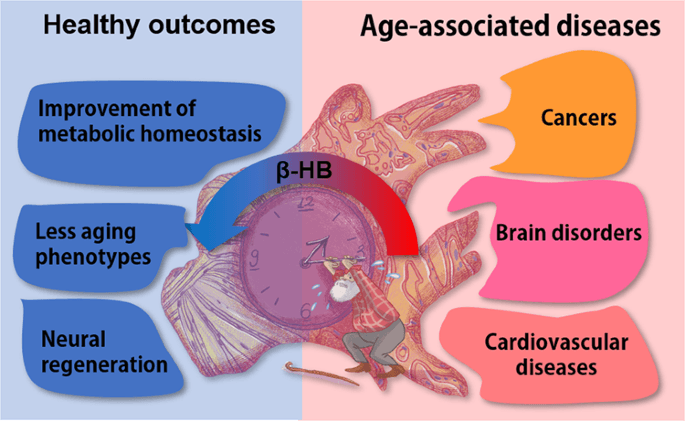
For keto readers, the key question is not whether BHB matters. It does. The real question is whether the study pins down a blood-ketone level people can actually use to tell the difference between merely eating low carb and producing enough ketones to matter for weight loss. BHB is the marker most dieters measure with finger-prick meters, and it is the clearest blood signal of nutritional ketosis, which is why a daily monitoring design carries more practical weight than a one-off lab draw.
The closest thing the field has long had to a working benchmark is 0.5 mM. A 2019 Frontiers in Endocrinology trial used BHB at or above that level as the encouraged range of nutritional ketosis, and patient-measured BHB reached that mark for 32.8% of measurements over two years. In a 2025 Frontiers in Nutrition review, the ketogenic diet group posted a mean weekly BHB of 1.15 ± 0.59 mM, a level the authors described as confirming consistent physiological ketosis.

That context matters because the numbers are not interchangeable. Measurable ketosis means a meter is catching BHB in the blood. Effective ketosis, for people chasing fat loss, means the readings line up with the outcome they want over time. The difference is why a single reading can mislead, especially when calories, protein intake, food quality, activity level and baseline metabolic health all push outcomes in different directions.
The new Nature paper pushes the discussion toward repeated testing rather than one dramatic reading. A 14-day run with daily BHB checks can help show whether someone stays in a ketogenic range often enough to call the pattern real, not random. It also gives clinicians and self-trackers a cleaner way to compare adherence, adjust carbs and see whether a plan is producing the metabolic shift they want.
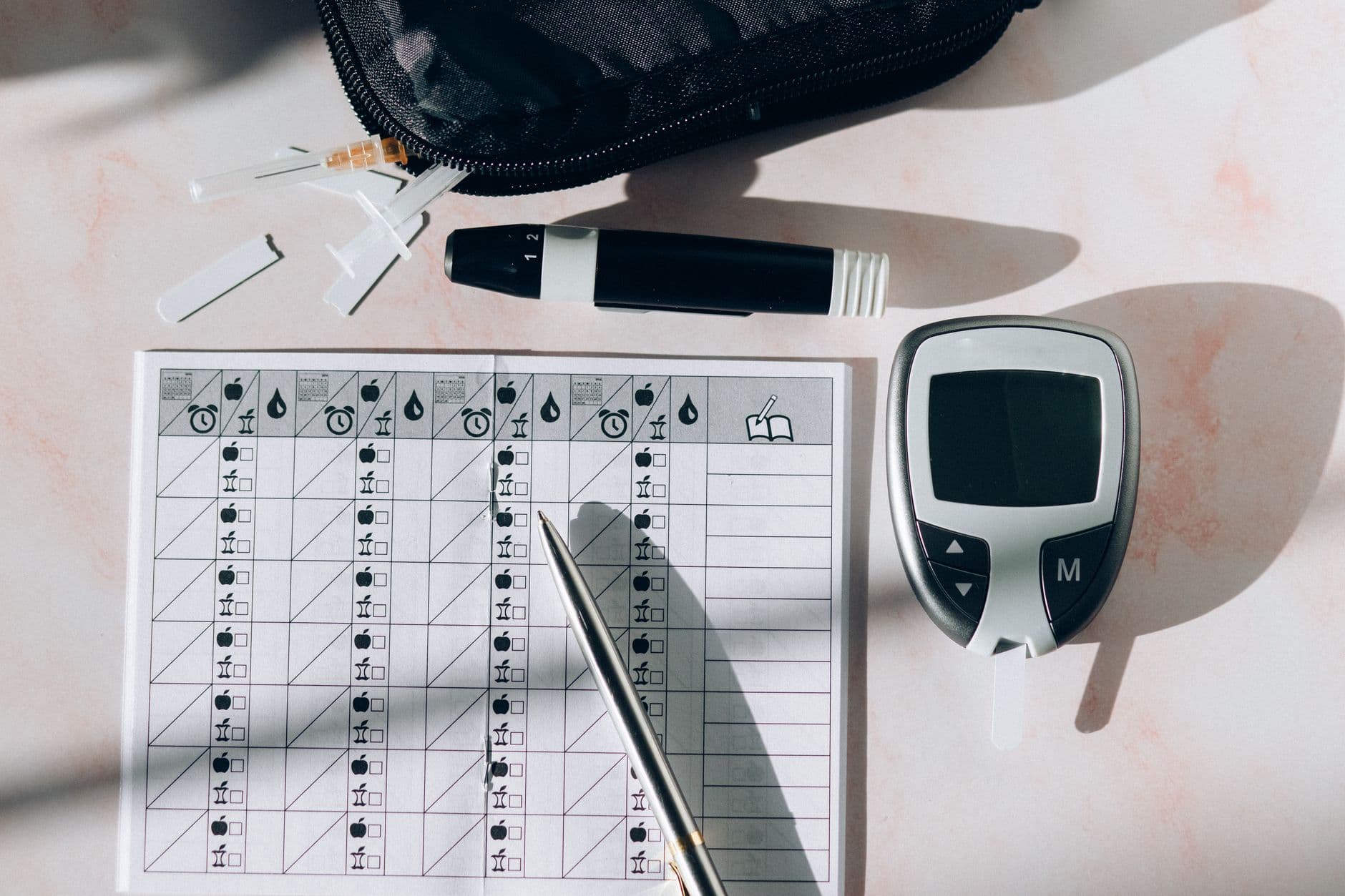
What it does not do is turn ketosis into a magic number. The older 0.5 mM benchmark remains useful as a checkpoint, but the broader keto picture is still bigger than a strip or meter reading. The practical lesson is simple: if you test, test often enough to see a pattern, and judge BHB in the context of food intake and the scale, not as a standalone promise of fat loss.
Every story on Keto Diet Magazine is assembled by an automated editorial system that works from verified research, official records, and credible reporting, then clears automated accuracy and moderation checks before it goes live. The standards that system follows are set and overseen by the people who run the publication. Read our full editorial policy.
Did this article answer your question?