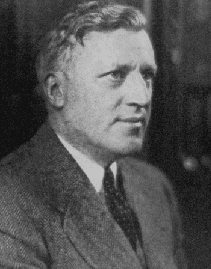
Dr. Russell Wilder designed the original ketogenic therapy at the Mayo Clinic in 1923 for epilepsy. The medical version is a family of five different protocols with different ratios, food rules, and levels of supervision. The strictest versions are still used that way today.
Where keto actually came from
The idea grew out of fasting observations in seizure control, and Wilder’s pitch was simple in principle: restrict carbohydrates, push fat high, and recreate the metabolic state that fasting seemed to produce.
Clinical keto is defined by a fat-to-carbohydrate-plus-protein structure. It is not just bread removal or a cleaner low-carb plate. In epilepsy care, the diet was developed as treatment first and as an eating pattern second.
The classic ketogenic diet is the strictest version
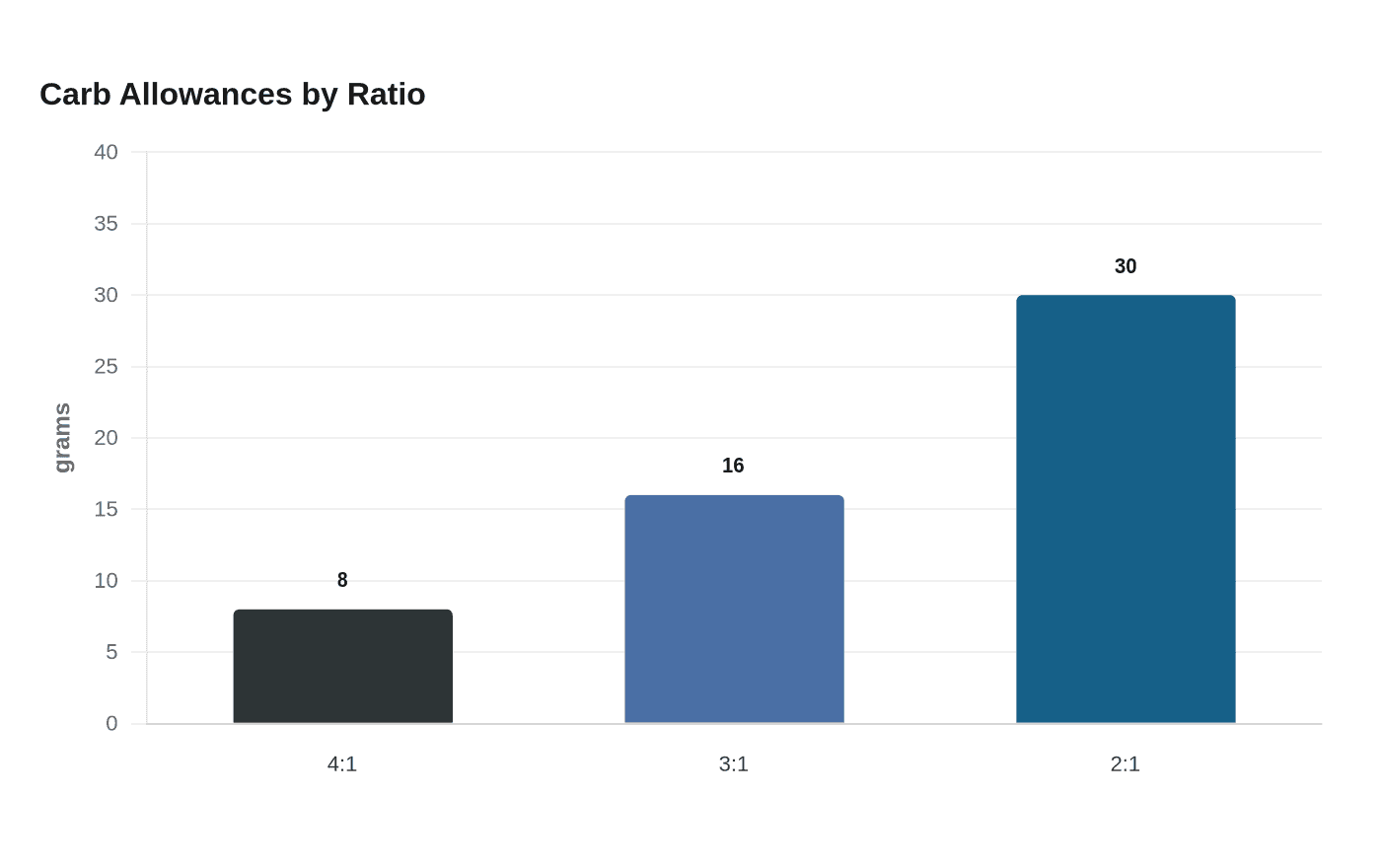
The classic ketogenic diet uses ratios such as 4:1, 3:1, 2:1, or 1:1, with fat measured against the combined grams of carbohydrate and protein. In practical terms, a 4:1 plan is far more restrictive than what most people mean when they say they are “doing keto.”
An epilepsy comparison brochure lists the approximate carbohydrate allowances on a 1000-calorie diet: 8 grams on a 4:1 plan, 16 grams on a 3:1 plan, 30 grams on a 2:1 plan, and 40 to 60 grams on a 1:1 plan.
This version is for people using ketogenic therapy for epilepsy, especially drug-resistant, refractory, or intractable cases.
The five versions are not interchangeable
The Charlie Foundation groups the published medical literature into five variations of the ketogenic diet used as effective treatments for diseases with underlying metabolic dysregulation, including epilepsy, cancer, and Alzheimer’s.
The Modified Atkins Diet is the less strict option in the group. It still keeps carbohydrate intake low enough to support ketosis, but it is easier to sustain than the classic ratio-based diet, which is one reason families and patients often find it more workable in day-to-day life.
The Medium-Chain Triglyceride diet, often called the MCT diet, uses MCT fats to support ketosis more efficiently. Because MCTs are more ketogenic per calorie, this approach can allow more carbohydrate and protein than the classic diet in some cases.
Low Glycemic Index Treatment, or LGIT, is even more flexible. Instead of using a very high fat ratio, it emphasizes carbohydrates with a low glycemic impact, so the focus shifts to steadier blood sugar response.
A modified ketogenic diet is another option. Clinicians may tailor the plan to age, tolerance, and goals instead of forcing everyone into the same rigid ratio.
Who each version actually fits
If you are using keto for epilepsy, the classic diet is the most obvious medical tool, but it is not the only one. The Modified Atkins Diet, MCT diet, LGIT, and tailored ketogenic plans exist because some patients need a version that is easier to follow while still staying therapeutic.
If you are a general weight-loss dieter, the classic 4:1 model is usually overkill. It is designed for seizure management under supervision, not for casual adherence, and the ratio structure can make it feel punishing unless there is a clear medical reason to use it.
If you are trying to keep keto compatible with a training schedule, the less restrictive versions leave more room to work with. Modified Atkins, MCT, and LGIT all loosen the screws compared with classic keto, but they are still clinical dietary therapies, not free-form high-protein eating plans.
Medical supervision is part of the deal
Ketogenic therapies should be used under medical supervision, with vitamin and mineral supplementation and blood work before and during the diet. An epilepsy comparison brochure gives improvement in seizure control a timeline of up to 3 months.
In the Academy of Nutrition and Dietetics description used by the Defeating Epilepsy Foundation, keto is a high fat, moderate protein, low carbohydrate pattern, and for people battling epilepsy, a medical professional should help plan and monitor the diet.
Why the clinical version still matters
The classic medical ketogenic diet was the first diet known to effectively manage seizures. It remains most often used for drug-resistant epilepsy because medicines alone do not always get seizure control where it needs to be, and some patients do see seizures decrease or even disappear with dietary therapy.
The International Ketogenic Diet Study Group published updated guidance in 2018 for children receiving dietary therapies for epilepsy, and Johns Hopkins Medicine continues to track comparative research on ketogenic diet, Modified Atkins Diet, and LGIT in children with drug-resistant epilepsy.
Every story on Keto Diet Magazine is assembled by an automated editorial system that works from verified research, official records, and credible reporting, then clears automated accuracy and moderation checks before it goes live. The standards that system follows are set and overseen by the people who run the publication. Read our full editorial policy.
Did this article answer your question?