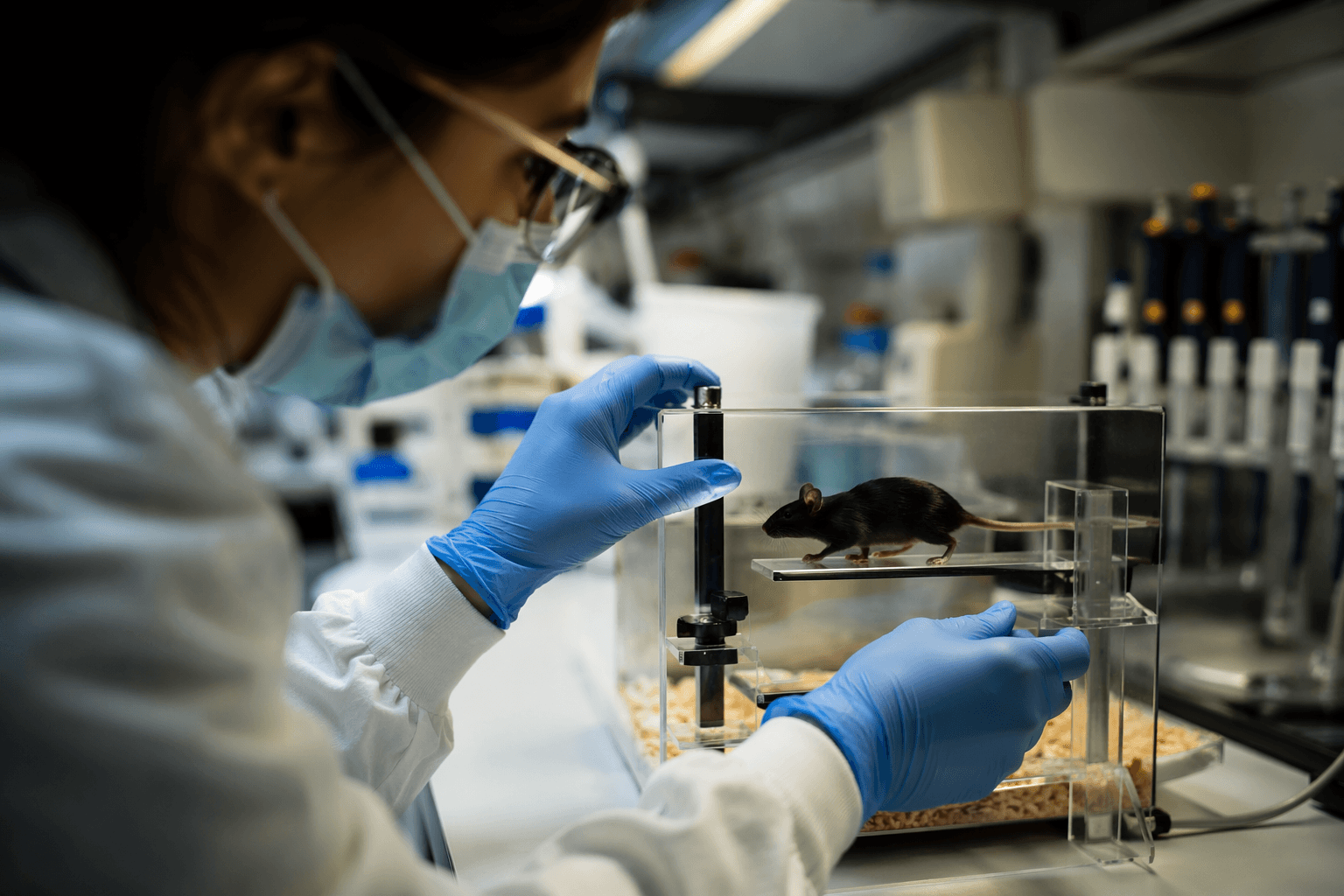
This is a mouse study, not a treatment plan for autism, but it does give keto readers something concrete to watch: five weeks of ketogenic feeding improved motor and anxiety-like behavior in BTBR autism-model mice and cut signs of cerebellar inflammation.
The paper, published in Experimental Neurology, tested BTBR T+ Itpr3tf/J mice alongside standard C57BL/6 mice. Each strain got either standard chow or a ketogenic diet for five weeks, then the researchers ran modified beam-walking and open-field tests. In the BTBR animals, the keto diet was tied to better performance on both measures, which points to more than a simple metabolic shift. The same line of results also pointed toward axonal remyelination, with changes in myelin markers and g-ratio consistent with a repair-like effect in the cerebellum.
That cerebellar angle matters. Related summaries report lower TNF- and IL-1 in the cerebellum after ketogenic feeding, and that makes the study relevant to a bigger question in autism research: whether changing fuel use can also change inflammation and circuitry in brain regions linked to movement, sensory processing, and emotional regulation. BTBR mice are used so often in this field because they show reduced social interaction, unusual vocalizations, and a complete absence of the corpus callosum, which gives the model real face validity for translational work.
The new paper is not coming out of nowhere. A 2023 Experimental Neurology study in the same BTBR model found that a ketogenic diet reduced social deficits, repetitive behaviors and memory impairments, while also lowering inflammatory cytokines. Go back further and the pattern gets even clearer: a 2013 study in juvenile BTBR mice reported that ketogenic feeding improved autistic-like behaviors over three weeks. The through line is not a miracle cure, but a growing preclinical argument that ketones, energy metabolism and brain inflammation may be connected in ways autism researchers cannot ignore.
Human data, though, still lag far behind the mouse work. A 2003 pilot study in 30 children with autistic behavior reported improvement in some children, but tolerance and discontinuation were major problems. A 2018 pediatric study of a modified ketogenic gluten-free diet with medium-chain triglycerides reported improved core autism features after three months. Even so, a 2024 review found the clinical evidence remains limited and mixed, while preclinical evidence is broader.
That is the right frame for this latest paper: encouraging, mechanistically interesting, and very far from actionable autism guidance for families today. For keto readers, the lesson is simple. This is where the science is still moving, and it is moving in mice first.
Every story on Keto Diet Magazine is assembled by an automated editorial system that works from verified research, official records, and credible reporting, then clears automated accuracy and moderation checks before it goes live. The standards that system follows are set and overseen by the people who run the publication. Read our full editorial policy.
Did this article answer your question?