Start at the bottom of the ladder
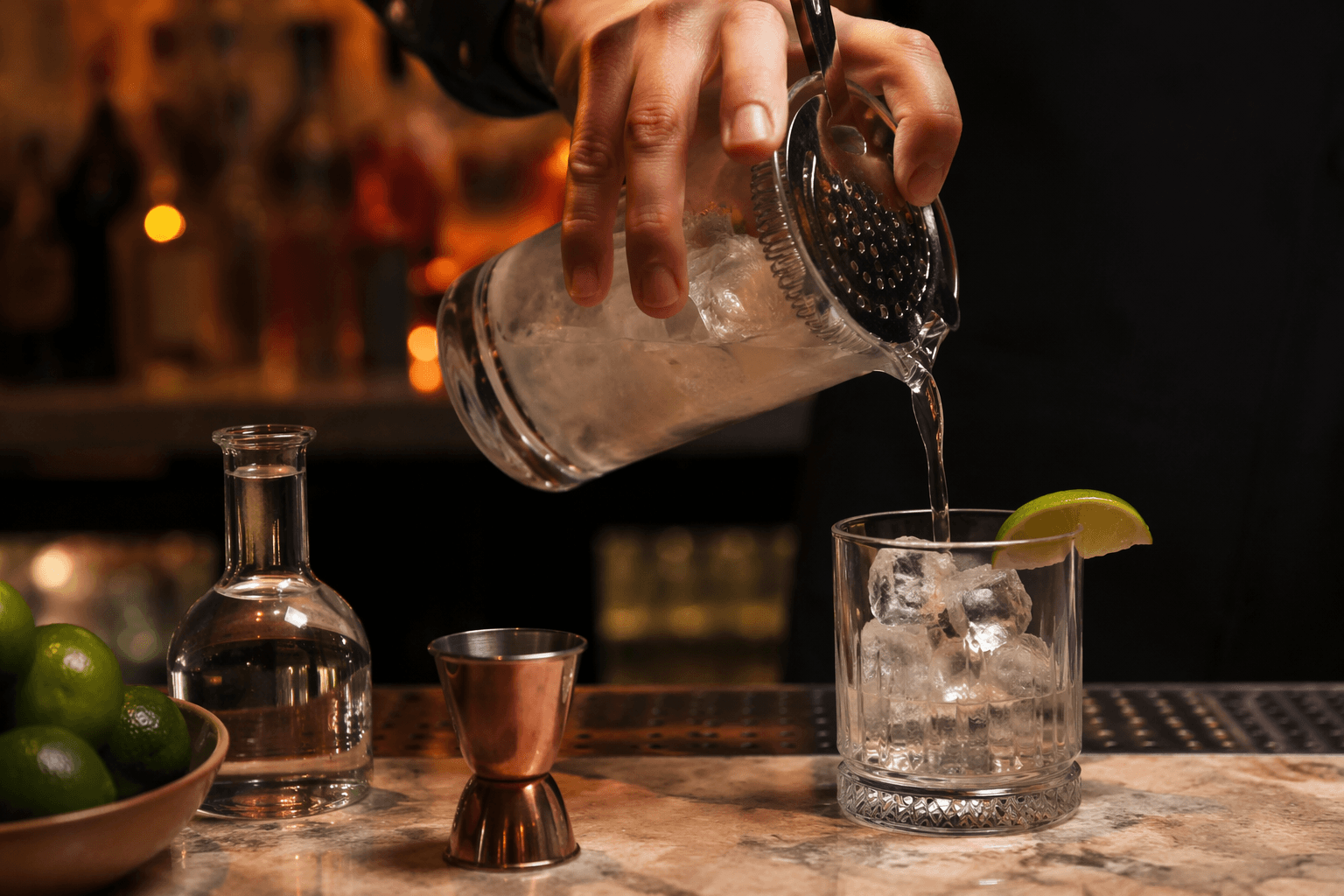
The cleanest keto move at a bar is the boring one: plain spirits with no sugary add-ins. If you want the safest path through a party menu, start with a shot of liquor or a simple mixed drink built on soda water, club soda, or another unsweetened mixer, then work upward only if you still want something else. That keeps the carb budget visible instead of letting it vanish inside juice, syrups, and premade mix.
This is where a drink ladder beats a generic “avoid this, drink that” list. Keto is not just about cutting carbs hard; it is about knowing which order gives you the most room to maneuver when the night starts moving fast. A simple spirit pour also lines up with U.S. standard drink math, which matters more than people think when a social night stretches out and the pours get bigger than the labels suggest.
Know what a standard drink actually is
In the United States, a standard drink contains 0.6 fluid ounces, or 14 grams, of pure alcohol. That works out to about 12 ounces of beer at 5% ABV, 5 ounces of wine at 12% ABV, or 1.5 ounces of 80-proof spirits. Knowing that translation helps you compare a bottle, a glass, and a cocktail without fooling yourself about how much alcohol you are actually taking in.
That matters for keto because alcohol is not just another carb source. It can change how fast you drink, how you feel, and how likely you are to abandon your plan after the first round. The National Institute on Alcohol Abuse and Alcoholism notes that understanding standard drinks helps you make informed decisions about your health, and that is exactly why this ladder starts with serving size before it gets to sugar.
Dry wine and brut bubbles sit in the middle
If you want something more celebratory than a spirit and soda, dry wine and brut sparkling wine are the next sensible step. They still need a measured pour, not a generous restaurant fill, but they are far easier to fit into a low-carb day than sweet cocktails. A standard 5-ounce glass keeps the alcohol dose familiar, and that helps you stay anchored instead of sliding into a refill loop.
Wine is also where label literacy matters. The National Institute on Alcohol Abuse and Alcoholism says a 750 ml bottle of table wine holds about 5 standard drinks, which is a useful reality check when a bottle lands on the table and everyone starts sharing. One glass can be manageable; the bottle is where the carbs and alcohol can start to stack before you notice.
Hard seltzers are helpful, but still not a free pass
Hard seltzer has become the easy default for keto crowds because it usually looks lighter than beer and comes with a friendlier carb number. WebMD reports that a typical hard seltzer can contain about 2 grams of carbohydrates per can, which puts it in the lower-carb lane compared with regular beer. That makes it a practical option when you want a canned drink that does not blow up your macros in two sips.
Still, hard seltzer belongs in the “check the label” category, not the “anything goes” category. Flavoring, sweetness, and brand differences can change the numbers enough to matter if you are keeping carbs tight. Light beers land in the same zone: sometimes workable, never automatic. If you are serious about staying low-carb, read the can and treat the package as the decision point, not the advertising.
The hidden traps are the sweet stuff
The drinks most likely to spend your carb budget fastest are the ones that hide sugar in plain sight. Sweet mixers, liqueurs, frozen cocktails, and regular beer are the problem children here, because they combine alcohol with the kind of fast carbs that can punch a hole in the day you spent trying to keep clean. A margarita mix, a daiquiri, a piña colada, or anything neon and frozen can turn a single order into a full carb event.
Regular beer deserves the same caution. A standard 12-ounce beer at 5% ABV already counts as one standard drink, but the carb load can be much less forgiving than the alcohol math suggests. If you are trying to minimize the odds of one night out becoming a carb slide, this is the rung to step around first.
Why labels are not as helpful as they should be
Alcohol labeling rules in the United States are part of the reason keto drinkers have to do more detective work than they should. The Alcohol and Tobacco Tax and Trade Bureau says nutrient content labeling is not required for alcohol beverages. It also says calorie or carbohydrate statements are allowed only if they include calories and grams of carbohydrates, protein, and fat based on a single serving.
That leaves a lot of room for confusion, especially when a bottle, can, or menu gives you just enough information to sound helpful without actually making the choice easy. Wine, distilled spirits, and malt beverages are regulated under the Federal Alcohol Administration Act, and the point of the labeling rules is to prevent deceptive or misleading statements. In practice, that means the keto reader still has to scrutinize labels, websites, and serving sizes instead of relying on a standard nutrition panel the way you would with food.
Build your order before the room starts deciding for you
The best social-survival trick is to decide your rung before the first server comes around. If you know you are having dinner, a dry wine or a spirit with soda keeps the night predictable. If you are at a party where the cooler is full of cans, a hard seltzer can be the compromise that keeps you in the game without turning the evening into a carb hunt.
- Start with plain spirits and unsweetened mixers.
- Move to dry wine or brut sparkling drinks if you want something slower and more social.
- Use hard seltzers and light beers only after you check the label.
- Skip sweet mixers, liqueurs, frozen cocktails, and regular beer when you want the lowest-risk choice.
A few quick rules make the ladder work:
That approach fits what keto actually asks of you in the real world: not perfection, just control. Mayo Clinic’s low-carb guidance says the diet requires attention to both the type and amount of carbs consumed, and alcohol can complicate both at once.
Keep the health caution in view
There is also a bigger reason not to treat alcohol like a harmless keto accessory. The Centers for Disease Control and Prevention says drinking any alcoholic beverages, including wine, beer, and liquor, is linked with cancer risk. And a published case report described significant hypoglycemia after alcohol intake in a person following a prolonged ketogenic diet, a reminder that alcohol plus deep carb restriction can be riskier than a simple carb count suggests.
So the point of the ladder is not to make drinking glamorous on keto. It is to help you choose the least disruptive option fast, in a loud room, with a menu in one hand and no time to overthink it. Start with the plain pour, keep the mixers unsweetened, and let the sugary drinks stay where they belong: far above the rung you actually need to stand on.
Every story on Keto Diet Magazine is assembled by an automated editorial system that works from verified research, official records, and credible reporting, then clears automated accuracy and moderation checks before it goes live. The standards that system follows are set and overseen by the people who run the publication. Read our full editorial policy.
Did this article answer your question?