Keto’s reach may be expanding well beyond weight loss and blood sugar control. In a German pilot study, a medically supervised ketogenic diet was tested in generalized myasthenia gravis, a chronic autoimmune neuromuscular disease known for fluctuating weakness and disabling fatigue.
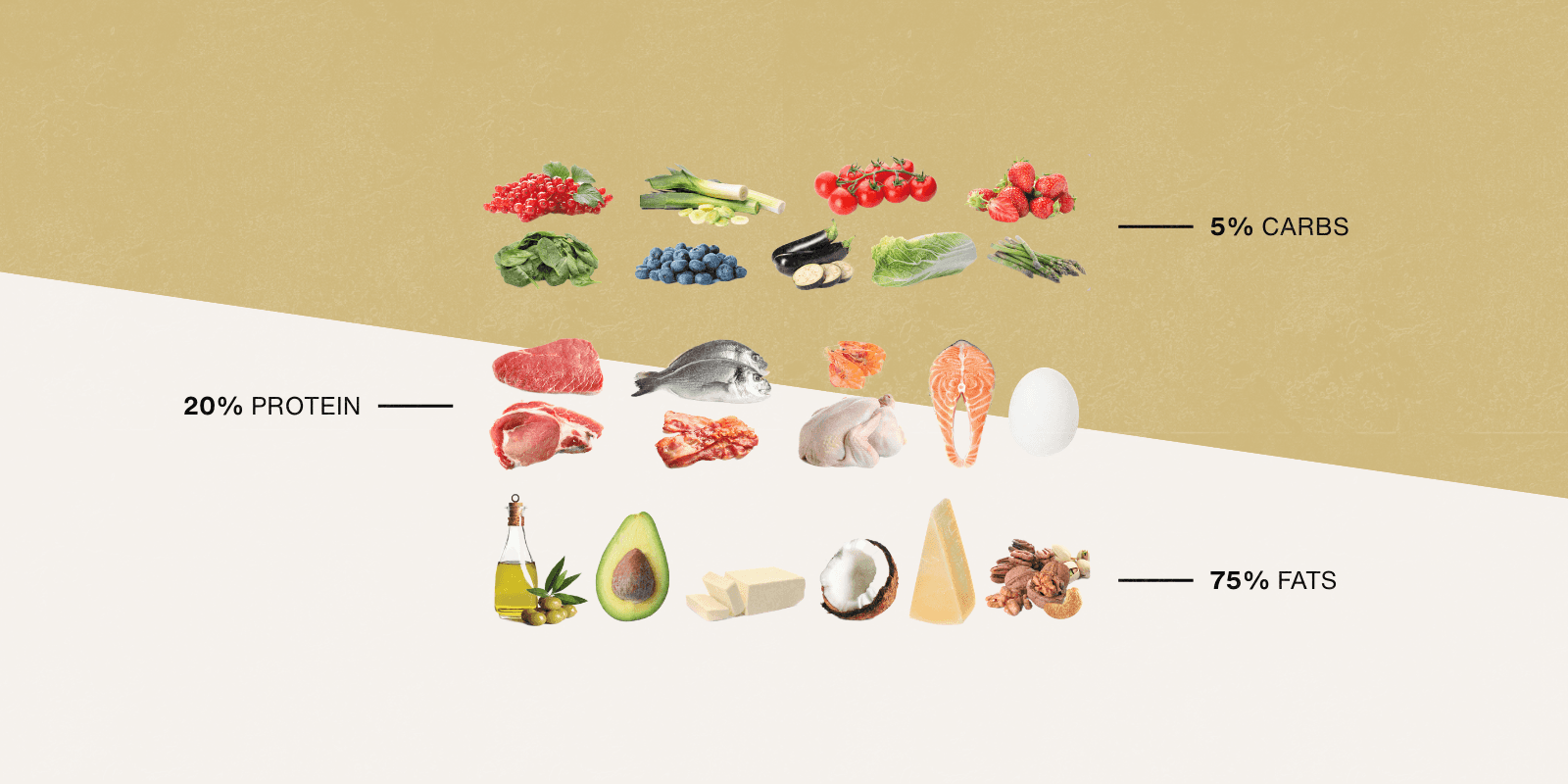
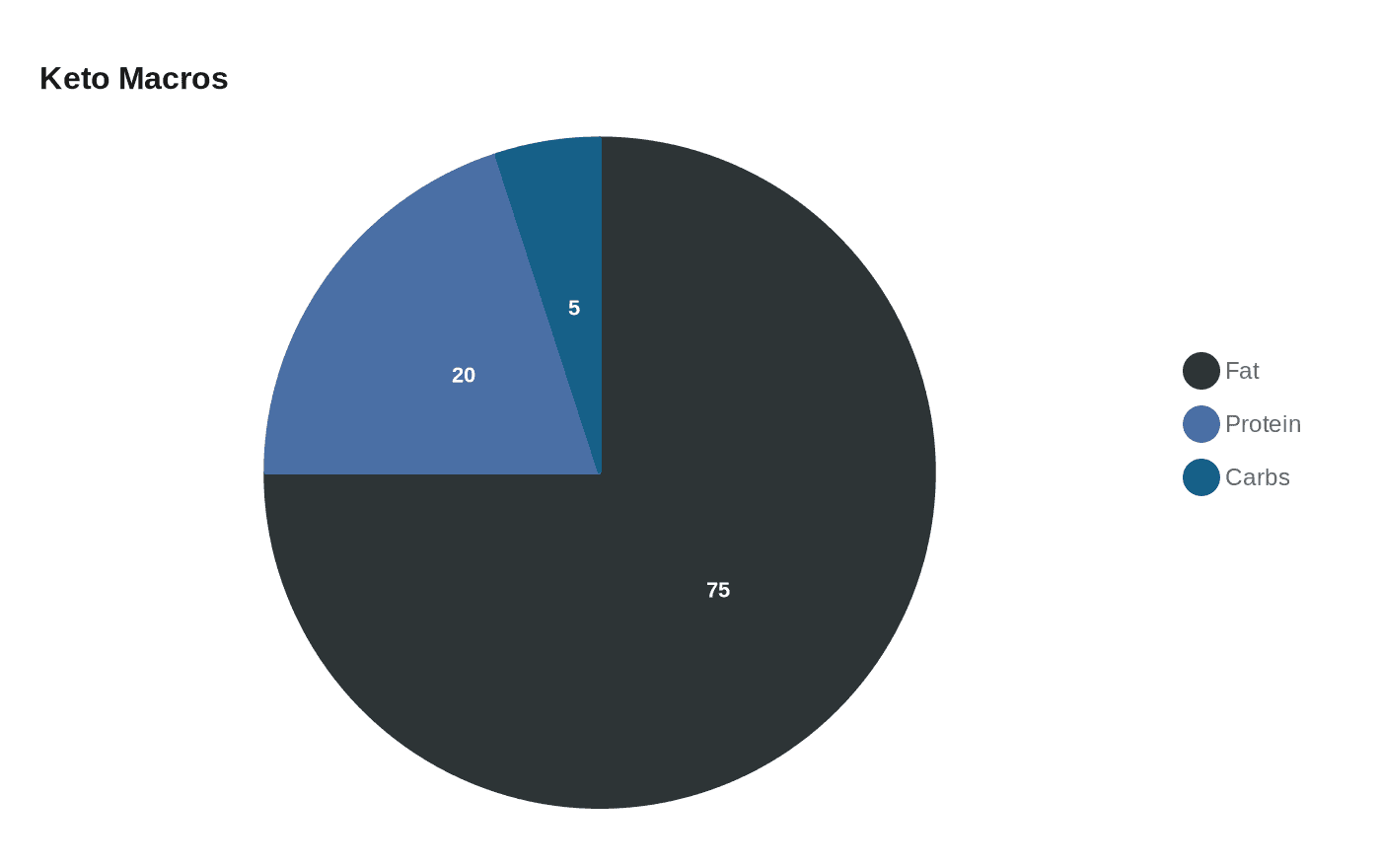
Researchers at Charité - Universitätsmedizin Berlin, led by Andreas Meisel, randomly assigned 41 adults 1:1 to either a structured ketogenic plan or their usual eating pattern for 12 weeks. The keto arm was tightly controlled, with about 75% of calories from fat, 20% from protein and 5% from carbohydrates, plus weekly nutritional counseling and adherence checks. The study was designed as a feasibility test, but it also tracked clinical symptoms, muscle function, quality of life and immune markers.
The most striking change showed up in fatigue. Fatigue Severity Scale scores fell by a median of 7 points in the ketogenic group, compared with just 1 point in controls. Quantitative Myasthenia Gravis scores also improved by a median of 3 points on keto, while the control group drifted slightly worse. MG-ADL moved in the favorable direction too, but the confidence interval still crossed zero, which means the pilot could not prove a definite clinical benefit.
The immunology signals were interesting as well. Investigators reported a trend toward improved immunoregulation, including shifts in T-cell subsets and a numerical drop in serum calprotectin. That fits the broader idea that ketosis may influence inflammation as well as metabolism, a possibility that matters in a disease driven by the immune system attacking the neuromuscular junction.
The practical side looked promising, too. Roughly three-quarters of participants completed the study, and only one person withdrew because of a diet-related adverse event. Still, the follow-up four weeks after the supervised phase suggested some gains softened once adherence loosened, a reminder that keto can be demanding to sustain in real life.
The work appeared in Clinical Nutrition under the title “Impact of a ketogenic diet on clinical outcomes and immunological parameters in myasthenia gravis: a pilot study.” Charité’s myasthenia center, which describes itself as a DMG-certified interdisciplinary center, has the testing and treatment infrastructure to support this kind of experiment, from antibody testing and electrophysiology to IVIG, plasmapheresis, immunoadsorption and thymectomy pathways. For the keto world, the takeaway is clear: this is not proof of a new standard MG therapy, but it is another serious signal that ketogenic therapy is being studied as more than a weight-loss tool.
Every story on Keto Diet Magazine is assembled by an automated editorial system that works from verified research, official records, and credible reporting, then clears automated accuracy and moderation checks before it goes live. The standards that system follows are set and overseen by the people who run the publication. Read our full editorial policy.
Know something we missed? Have a correction or additional information?
Submit a Tip