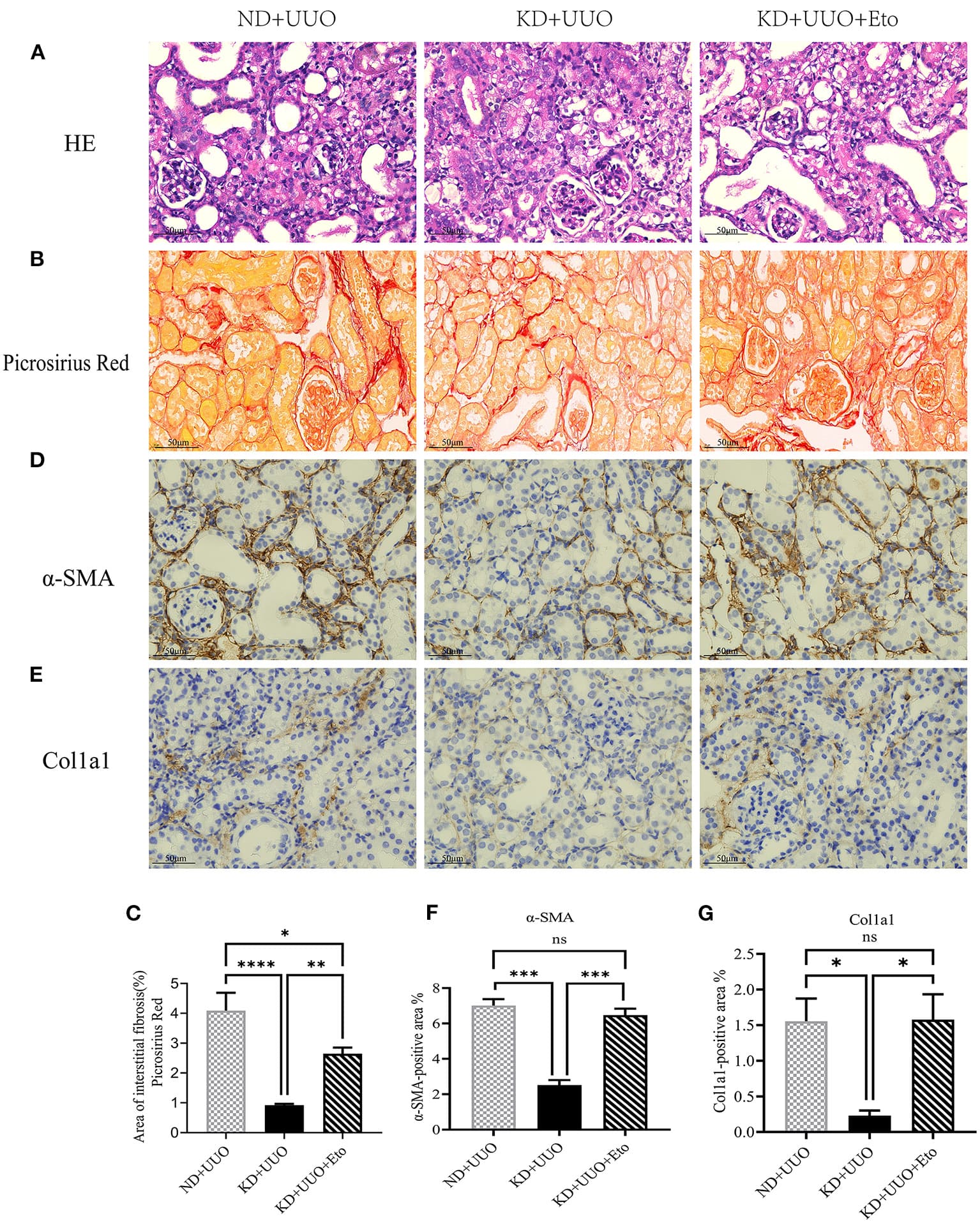
A ketogenic diet eased acute radiation-induced intestinal injury in a Nature paper published Tuesday, tying the effect to gut microbes and to the JAK2/STAT3/RORt/IL-17A signaling pathway. The study, which was received on April 24, 2025 and accepted on June 16, 2026, lands far outside keto’s usual weight-loss conversation and points to a much narrower, clinical use case.
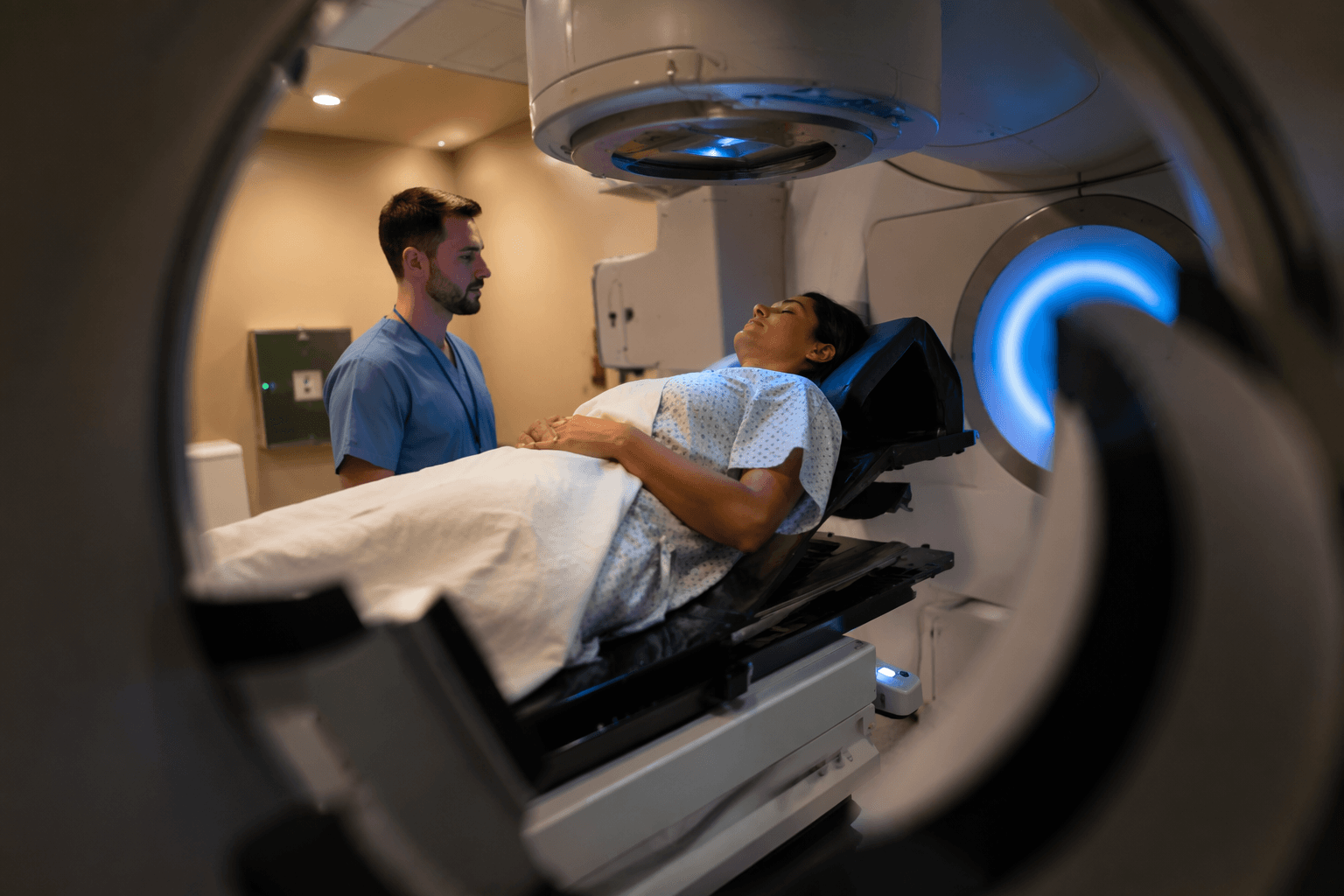
That context matters because radiation injury to the bowel is not a diet-and-wellness nuisance. A 2025 review described the acute picture as diarrhea, abdominal pain, and rectal bleeding, with chronic complications that can include stricture, fistula, and chronic pain. Nature’s microbiome coverage has also noted that ionizing radiation disrupts the intestinal barrier, drives inflammation, and causes profound changes in gut microbiome composition and function, which helps explain why the gut became the focus of this work.
The mechanism in this paper sits at the intersection of three fast-moving areas: dietary metabolism, microbial ecology, and immune signaling. In plain terms, the researchers are arguing that ketosis may do more than shift fuel use. It may also reshape the intestinal environment in ways that blunt the inflammatory cascade that follows radiation exposure, potentially limiting gut damage before it becomes severe.
That is a very different claim from saying keto heals the gut in everyday life. The result comes from an experimental model, not from healthy people using keto to ease routine digestive complaints, and it does not justify treating the diet as a proven radiation countermeasure for patients. What it does offer is a translational hypothesis: that dietary ketosis, or some more targeted ketone-based strategy, could eventually be paired with microbiome-aware interventions and closer monitoring of gut toxicity in carefully selected settings.
The paper also fits a wider research pattern. Nature Metabolism published a 2024 article on how ketogenic diets can alter the gut microbiome and how microbes may help shape keto-associated metabolic effects. A 2026 Frontiers review said gut microbiota and their metabolites are being studied as ways to mitigate radiation-induced intestinal injury, while other 2026 papers and reviews have kept probiotics and additional dietary interventions in the mix.
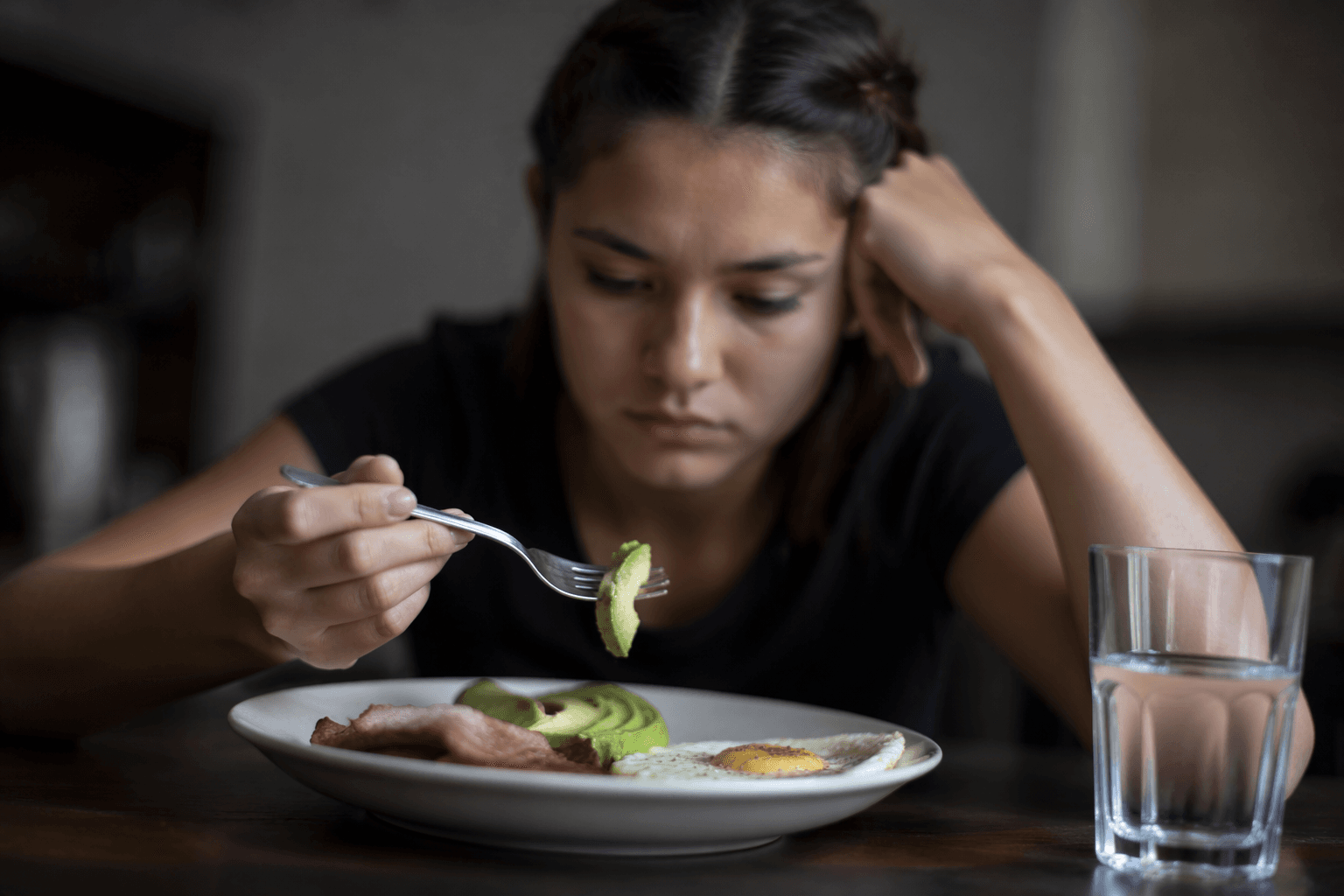
For the keto community, the headline is not that a standard bowl of bacon and eggs has suddenly become a radiation treatment. The real story is that keto is being studied as a biologically active tool, one that may matter most when the problem is not body weight at all, but what radiation does to the gut.
Every story on Keto Diet Magazine is assembled by an automated editorial system that works from verified research, official records, and credible reporting, then clears automated accuracy and moderation checks before it goes live. The standards that system follows are set and overseen by the people who run the publication. Read our full editorial policy.
Did this article answer your question?