The Dietary Guidelines for Americans, 2025-2030 became the current federal edition when USDA released them on January 7, 2026. The newest U.S. nutrition playbook sounds friendlier to keto than the old food pyramid era ever did. It talks up real food, protein, and fewer refined carbohydrates, but the official language stops short of naming keto as the winner in this shift.
What the new guidance actually says
USDA calls this the first time in 25 years the guidelines have given advice directly to consumers, with the message boiled down to: “Eat real food.” That is a cleaner, blunter reset than the old nutrient-juggling tone many people remember from earlier editions.
The federal agencies behind the update, the U.S. Department of Agriculture and the U.S. Department of Health and Human Services, frame the guidelines as the cornerstone of federal nutrition policy and programs. They are updated every five years and help shape the language that filters into school meals, public health campaigns, and the broader federal conversation about what counts as a healthy pattern of eating.
Where keto readers may see a win, and where the policy draws the line
For anyone eating low carb, the new guidance contains real signals that the cultural center of gravity has shifted. USDA and HHS emphasize whole, nutrient-dense foods, and the guidance also pushes people to reduce highly processed foods, including foods with refined carbohydrates, added sugars, excess sodium, unhealthy fats, and chemical additives. The current guidance page spells out what to cut back on in plain language.
Pyure’s June 25, 2026 commentary reads the guidelines as evidence that mainstream nutrition is moving toward a more low-carb-friendly world. The piece highlights more whole foods, a higher-protein focus, fewer refined carbs, and what it presents as a newly emphasized under-6 percent added-sugar target. The public-facing federal materials do not confirm a formal under-6 percent federal target. That number should be treated as Pyure’s interpretation rather than the government’s explicit instruction.
The official documents are clearly telling Americans to eat less sugar and fewer refined carbohydrates, but they are not writing keto into law or even into a named dietary pattern.
Why protein and food quality now sit at the center
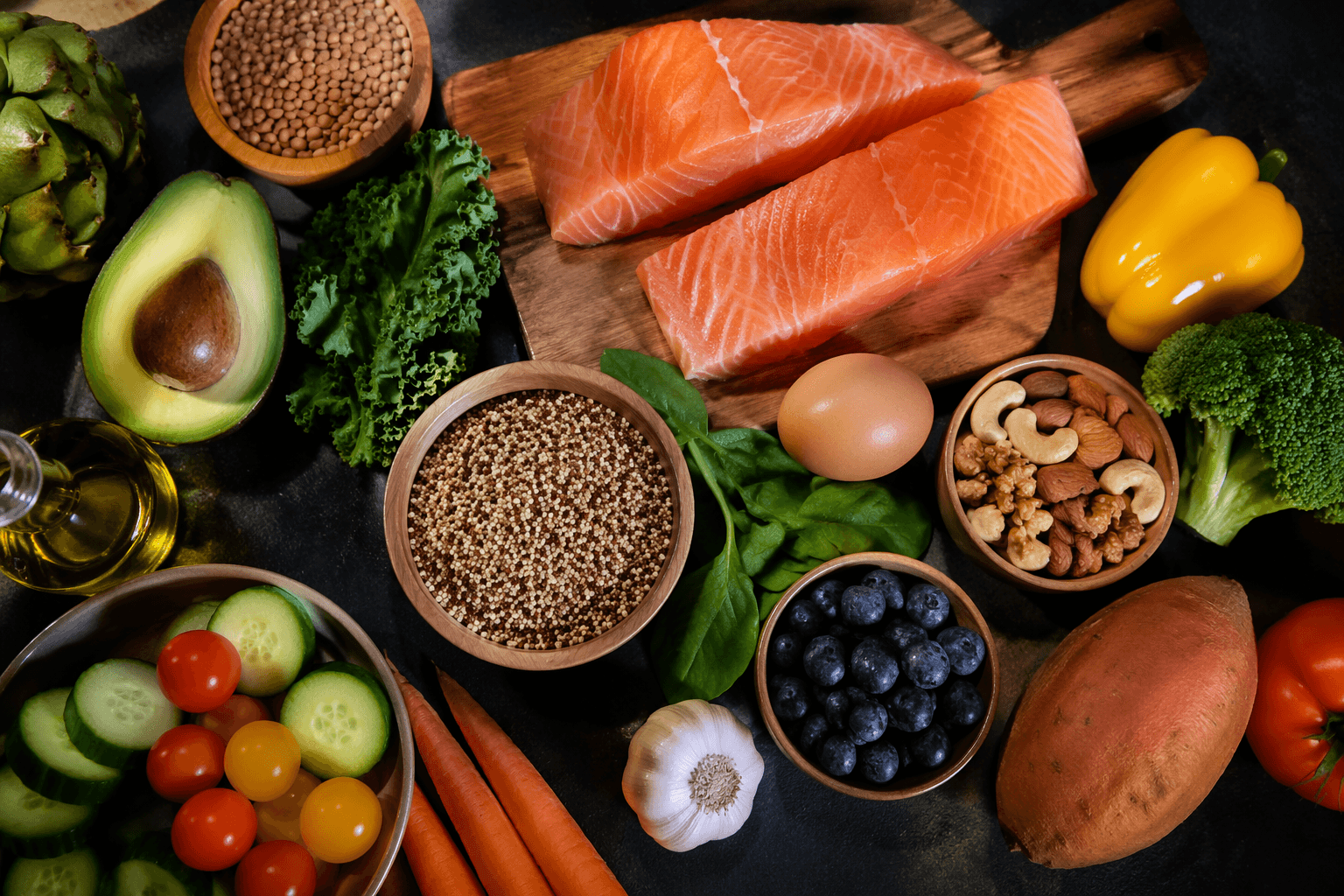
One of the most noticeable changes in the 2025-2030 edition is how much it sounds like a food-quality guide rather than a macro spreadsheet. The new edition highlights prioritizing protein at every meal and limiting alcohol consumption. It also keeps returning to whole, nutrient-dense foods, which gives low-carb eaters a lot to work with, especially if their version of keto already emphasizes meat, eggs, fish, full-fat dairy, and non-starchy vegetables over packaged snack products.
That shift also explains why so much of the current keto conversation is about more than carbs alone. The culture around the diet has been moving toward label reading, ingredient scrutiny, and sustainability, not just chasing a target number on a macro app. A strict keto eater may still want to stay very low carb, while another person may use the same guidance as permission to move into a looser lower-carb pattern without feeling they have abandoned the point of the diet.
How the mainstream response frames the update
The American Heart Association quickly welcomed the new guidelines on January 7, 2026, and said the update aligns with its longstanding advice on increasing vegetables, fruits, and whole grains while limiting added sugars, refined grains, highly processed foods, saturated fats, and sugary drinks. The same document that low-carb readers see as a cultural opening is also being embraced by a group that has long argued for a very different style of eating.
That overlap does not mean the two camps agree on everything. It does mean the federal language has drifted toward a center where more than one eating pattern can claim partial victory. A keto eater can point to the push against refined carbohydrates and added sugars; a heart-healthy eater can point to vegetables, fruits, and whole grains. The guidelines give both sides something to quote.
What this means for keto in practice
For the keto community, the practical takeaway is less about a federal blessing and more about an opening. The guidelines reward the same habits many low-carb eaters already favor: real food over packaged food, protein at each meal, and tighter control of sugar. They also make it easier to argue that reducing carbohydrates is no longer a fringe instinct but part of a broader public-health conversation about processed foods and ingredient quality.
Still, the official text does not endorse keto as a named diet, and it does not convert low-carb eating into national policy. What it does is narrow the gap between mainstream nutrition language and the way many keto households already shop and cook.
Every story on Keto Diet Magazine is assembled by an automated editorial system that works from verified research, official records, and credible reporting, then clears automated accuracy and moderation checks before it goes live. The standards that system follows are set and overseen by the people who run the publication. Read our full editorial policy.
Did this article answer your question?