Long-term ketosis pushed healthy mouse kidney tissue toward fibrosis while reducing scarring in injury-induced models. PubMed PMID 42366668 is the QJM study Ketogenic Diet Promotes Renal Fibrosis in Healthy Tissue via Wnt8b and Junb, While Protecting Against Injury-Induced Fibrosis, which appeared in QJM: An International Journal of Medicine, the official journal of the Association of Physicians of Great Britain and Ireland.
In healthy tissue, the ketogenic diet induced renal interstitial fibrosis and maladaptive repair of tubular epithelial cells. The study tied that pro-fibrotic shift to Wnt8b and Junb signaling, with beta-catenin nuclear translocation and partial epithelial-mesenchymal transition part of the pathway. The study also linked genetically elevated serum beta-hydroxybutyrate to higher renal injury risk.
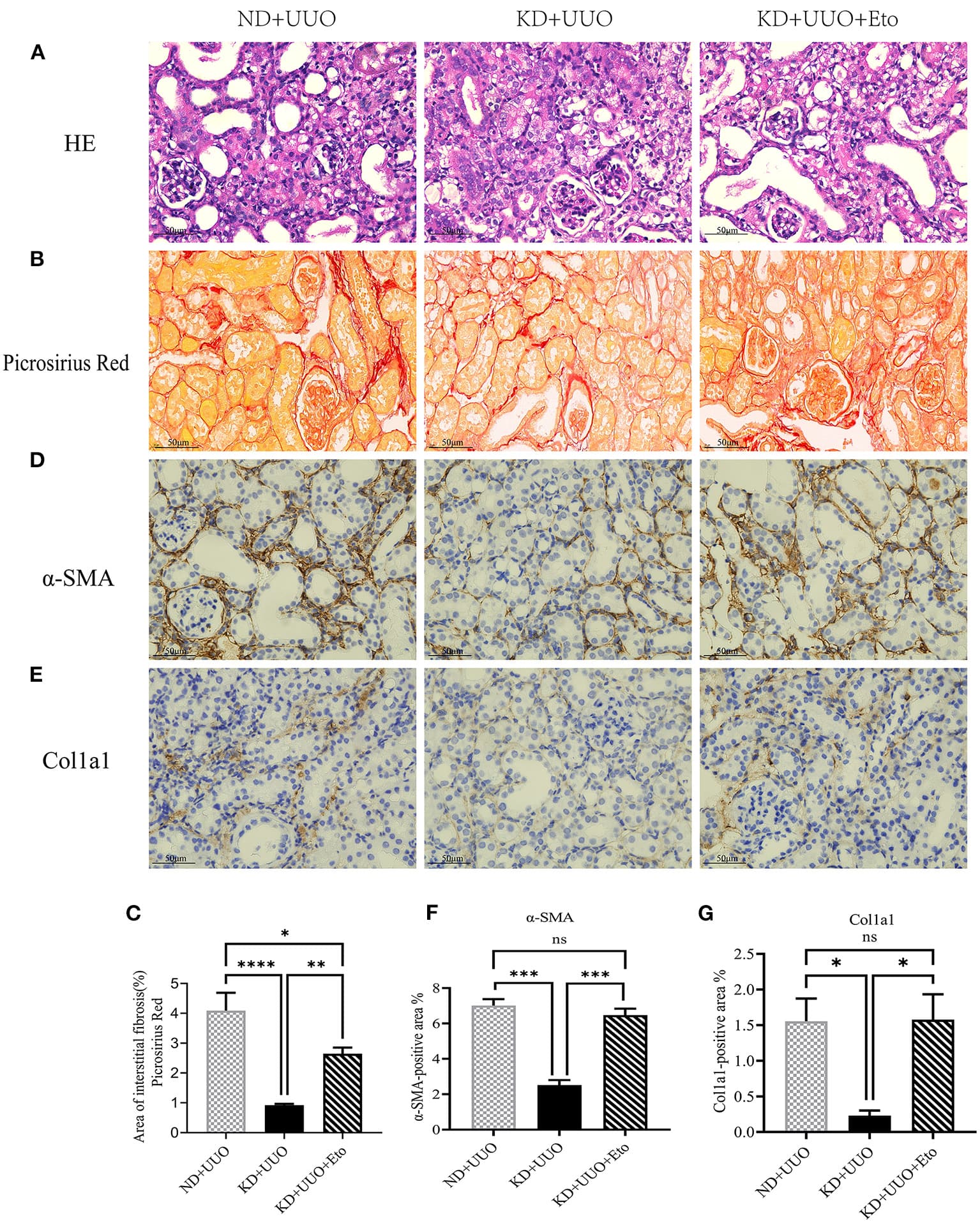
The same ketone biology moved in the opposite direction once the kidney was already damaged. In mice with unilateral ischemia-reperfusion injury, beta-hydroxybutyrate and time-restricted feeding reduced renal damage and collagen deposition. Earlier mouse work pointed the same way in injury models: a 2023 ischemia-reperfusion study found ketogenic diet and caloric restriction reduced fibrosis after unilateral kidney injury, and a 2023/2024 Frontiers in Nutrition study found ketogenic diet eased UUO-induced renal fibrosis while raising serum beta-OHB and upregulating fatty-acid-oxidation enzymes such as Cpt1a and Acox1.
The Centers for Disease Control and Prevention’s March 2026 update estimates that 14% of U.S. adults, about 37 million people, have chronic kidney disease. The National Institute of Diabetes and Digestive and Kidney Diseases estimates that about 9 in 10 adults with CKD do not know they have it, and more than 808,000 people in the United States are living with end-stage kidney disease.
Every story on Keto Diet Magazine is assembled by an automated editorial system that works from verified research, official records, and credible reporting, then clears automated accuracy and moderation checks before it goes live. The standards that system follows are set and overseen by the people who run the publication. Read our full editorial policy.
Did this article answer your question?