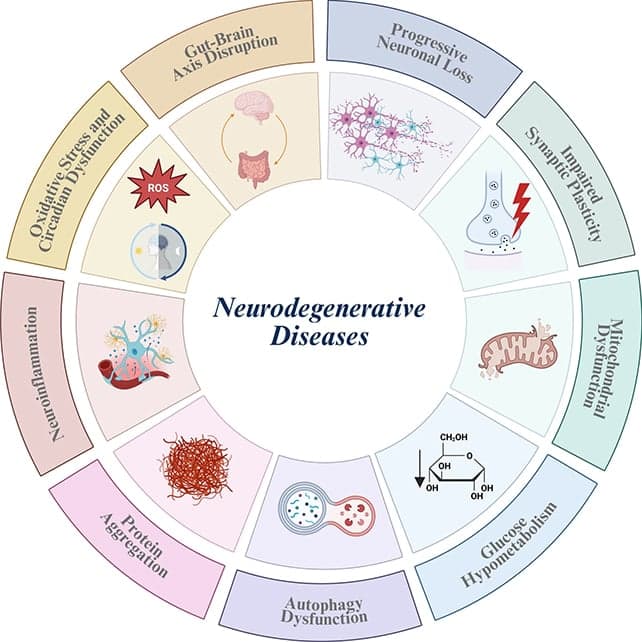
Keto is showing up in brain-health research as more than a weight-loss strategy. A new University of Coimbra review, The Ketogenic Diet as a Therapeutic Strategy for Neurodegenerative Diseases: from Mechanisms of Action to Translational Challenges, pulls together earlier studies on Alzheimer’s disease, Parkinson’s disease, Huntington’s disease, amyotrophic lateral sclerosis and multiple sclerosis, with a focus on why a shift from glucose to ketones could matter when brain cells are struggling to get the energy they need.
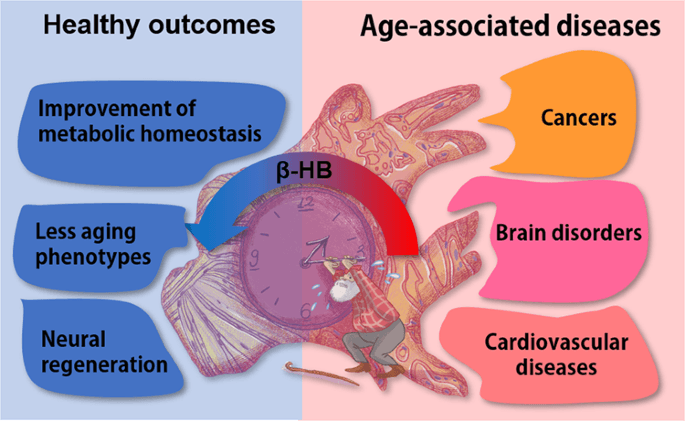
The review was written by Ana Margarida Salgueiro, Marisa Ferreira-Marques, Rodrigo F.N. Ribeiro, Dina Pereira, Daniela G. Costa, Magda M. Santana, Sara M. Lopes, Luís Pereira de Almeida and Cláudia Cavadas, all linked to the University of Coimbra’s Center for Neuroscience and Cell Biology, Center for Innovation in Biomedicine and Biotechnology, Faculty of Pharmacy and Gene Therapy Center of Excellence. Their central argument is that ketone bodies may work as alternative fuel for neurons, while also potentially lowering oxidative stress and inflammation, changing autophagy, affecting protein aggregation and influencing the gut microbiome.
That promise comes with clear limits. The authors flag long-term safety, patient adherence and real-world clinical practicality as major translational challenges. For keto readers, that is the key distinction: the biology looks interesting, but the jump from plausible mechanism to reliable treatment is still wide.
The strongest historical footing for ketogenic therapy remains epilepsy. Ketogenic diets were introduced in the 1920s as a non-pharmacological treatment for refractory epilepsy, and modern reviews still describe them as an effective option for drug-resistant seizures. In Alzheimer’s research, a systematic review of interventional trials from January 2000 to March 2019 found 11 animal studies and 11 human studies. Most of the human studies reported cognitive improvement with ketone supplementation or ketogenic diets, but weight loss came up as a recurring concern.
Outside Alzheimer’s, the evidence is thinner and more experimental. A phase II multiple sclerosis study enrolled 65 people with relapsing MS in a six-month ketogenic-diet intervention, underscoring that feasibility remains part of the question. In Parkinson’s disease, an eight-week study randomized 14 patients with mild cognitive impairment linked to Parkinson’s to either a ketogenic regimen or a high-carbohydrate Western-pattern diet. Those are encouraging signals, but they are still small, early tests, not proof of a broad brain-protective effect.
For the keto community, that is the real takeaway from this review: the diet may have a place in future neurological care, especially where energy metabolism is part of the problem, but “brain protection” is not a blanket claim. The science is most established in epilepsy, intriguing in Alzheimer’s, and still very much under construction in Parkinson’s, MS and the rest.
Every story on Keto Diet Magazine is assembled by an automated editorial system that works from verified research, official records, and credible reporting, then clears automated accuracy and moderation checks before it goes live. The standards that system follows are set and overseen by the people who run the publication. Read our full editorial policy.
Did this article answer your question?