Keto, brown fat, and the metabolism question
Keto’s most interesting metabolic claim is not just that it helps people eat less, but that it may change how the body spends energy. The newest attention centers on brown adipose tissue, the heat-making fat that burns fuel through non-shivering thermogenesis, and on whether ketogenic eating can make that tissue more active. The eye-catching part is real, but the strongest evidence still comes from mice and rats, not from direct human weight-loss proof.
Why brown fat has keto readers looking twice
Brown fat is different from the storage fat most people picture when they hear the word adipose. Its job is to burn energy as heat, which is why it has long attracted researchers interested in obesity and metabolic health. Adult human brown adipose tissue has been a major translational research focus since it was rediscovered in humans, because the big question is whether nudging this tissue could change real-world energy balance.
That is where keto enters the conversation. In the broader debate, people keep asking whether the diet works only by lowering appetite and calories, or whether it also changes energy expenditure itself. The brown-fat data are interesting because they point to a plausible mechanism: more active mitochondria, more uncoupling, and potentially more heat production. But a plausible mechanism is still only a hypothesis until it survives human testing.
What the 2012 mouse study actually showed
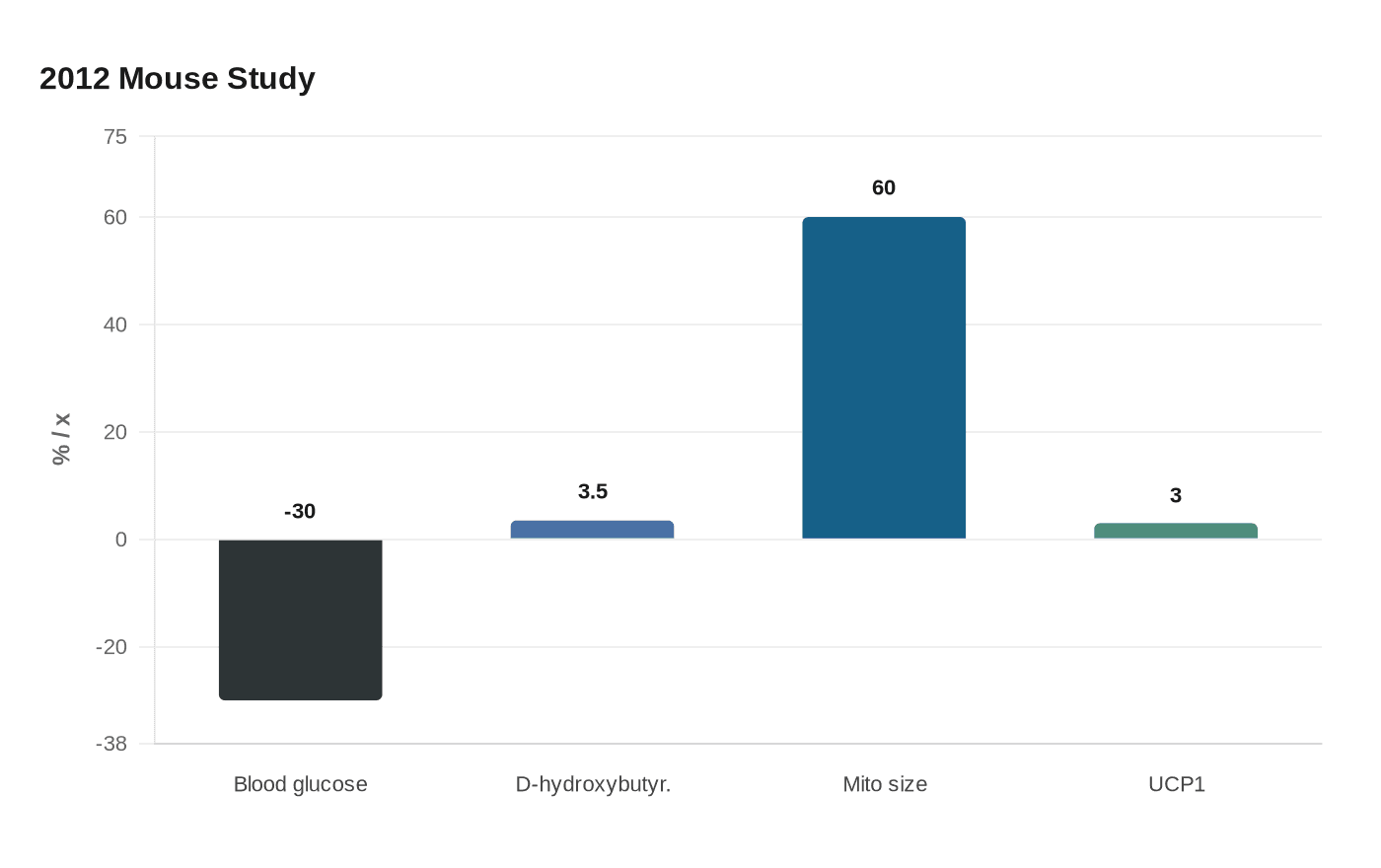
One of the clearest pieces of evidence came from a 2012 mouse study in IUBMB Life. After one month on a ketogenic diet, the mice did not eat fewer calories, which matters because it weakens the argument that the effects were simply due to reduced intake. Instead, the keto-fed group had blood glucose about 30% lower and D--hydroxybutyrate about 3.5-fold higher, matching the expected shift into ketosis.
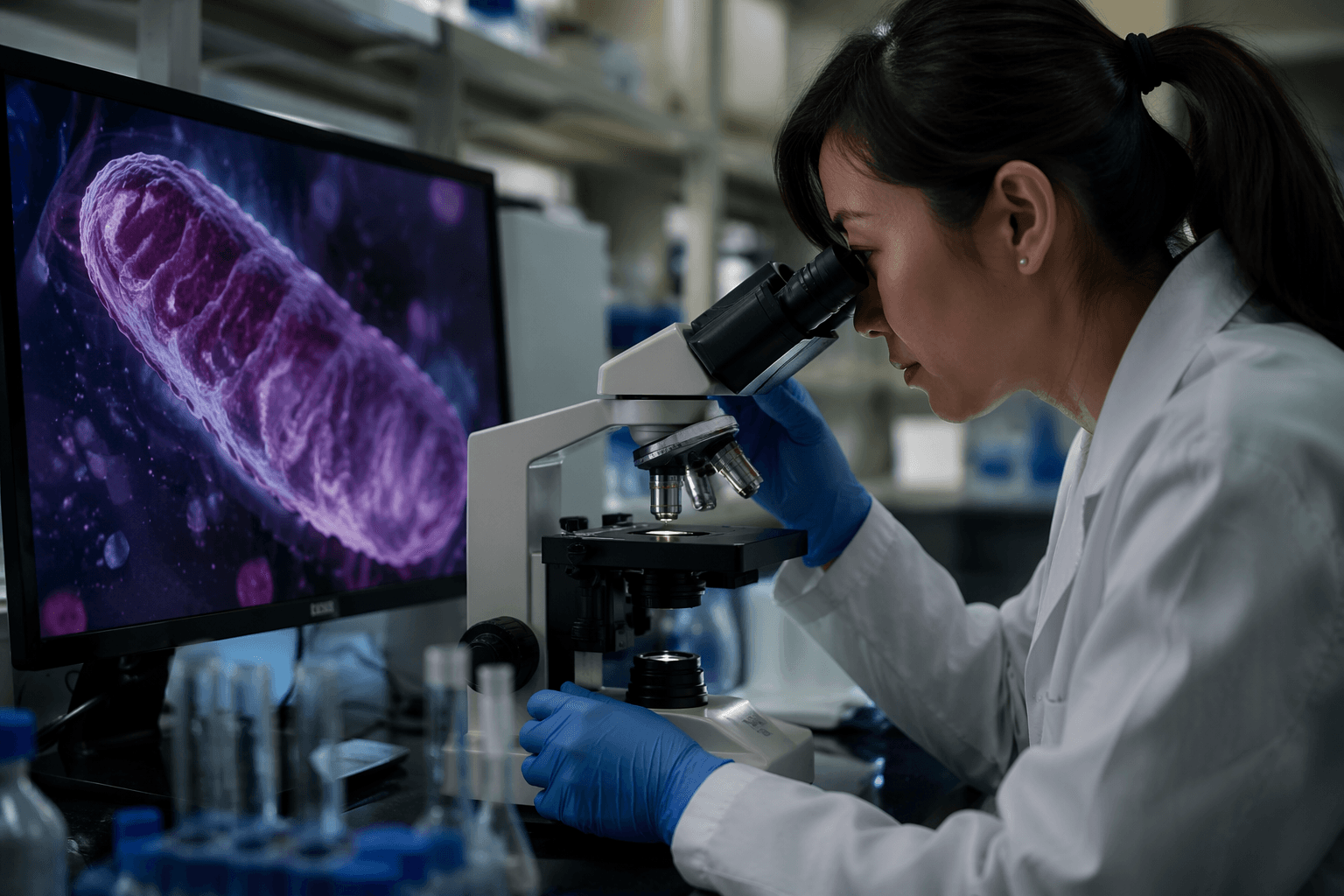
The brown fat itself also changed in striking ways. Median mitochondrial size in interscapular brown adipose tissue rose by about 60%, and uncoupling protein 1, or UCP1, increased by about threefold. The authors also reported higher levels of mitochondrial oxidative phosphorylation proteins and higher cAMP signaling, which suggests greater sympathetic activity. In plain language, the tissue looked more geared up for burning fuel and making heat.
For keto readers, that is the kind of result that sounds almost tailor-made for the “metabolic advantage” conversation. Bigger mitochondria and more UCP1 do not prove a magic calorie burn, but they do show that the diet can remodel brown fat in ways that could, at least in theory, make stored fuel more accessible for energy without extra intake.
Why the rat data add nuance instead of a victory lap
A 2023 rat study kept the story interesting, but also made it more complicated. The ketogenic diet promoted triacylglycerol recycling in white adipose tissue and uncoupled fat oxidation in brown adipose tissue, which again points toward active fat handling and energy turnover. But the same study did not reduce adiposity in rats.
That is the kind of result that keeps the evidence ladder honest. Brown-fat activation may change how tissues process fuel, yet that does not automatically mean the whole body gets leaner. In other words, the machinery can shift without the scale following along. For anyone tempted to turn a mechanistic study into a weight-loss promise, that distinction is the whole story.
What the 2024 review added to the picture
A 2024 review in the International Journal of Molecular Sciences placed these findings inside a broader view of ketogenic nutrition. It described keto as a pattern with minimal carbohydrate, moderate protein, and high fat intake, and noted that the diet may modify UCP1 in brown fat while also encouraging browning of white fat. That matters because browning is often discussed as a way to make more fat tissue behave like energy-burning tissue.
The same review also sounded a cautionary note. It flagged possible reductions in muscle mass and broader endocrine and metabolic effects, which is important for any community that thinks about keto as a long-term lifestyle rather than a short burst. Metabolism is not a single switch, and a diet that influences one tissue can also affect others in ways that are not always helpful.
How to read the science without overselling it
The best way to read these studies is to separate mechanism from outcome. The mechanism here is compelling: ketogenic feeding in mice raised ketones, lowered glucose, enlarged brown-fat mitochondria, increased UCP1, and appeared to push the tissue toward more thermogenic activity. The outcome, at least in rodents, is much less dramatic than the mechanism suggests, especially once the rat data show no reduction in adiposity.
That is exactly why animal work matters and why it also has limits. Mouse and rat BAT biology is not identical to human BAT biology, and the human version lives in a very different context. Temperature, long-term diet adherence, body size, and overall energy regulation all differ sharply from rodent models, so a pathway that looks powerful in an animal can become much smaller in real life.
For keto readers, the takeaway is not that brown fat is irrelevant. It is that brown-fat findings are a promising line of evidence, not a finished verdict. They help explain how keto might influence metabolism beyond simple calorie reduction, but they do not yet show that keto reliably causes major sustained fat loss in people.
The practical bottom line for keto readers
If you like following the science behind keto, this is a good example of how the field moves: a diet shifts hormones and fuel use, tissues respond, mitochondria change shape and abundance, and researchers start asking whether the body is burning a little more energy because of it. That is scientifically notable and genuinely exciting.
But the guardrail matters just as much as the mechanism. Bigger, more active mitochondria in brown fat are an intriguing signal from animal models, not proof that keto boosts metabolism in a way that will reliably melt human body fat. The story is still about possibility, not promise, and the distance between the two is where the real science lives.
Every story on Keto Diet Magazine is assembled by an automated editorial system that works from verified research, official records, and credible reporting, then clears automated accuracy and moderation checks before it goes live. The standards that system follows are set and overseen by the people who run the publication. Read our full editorial policy.
Did this article answer your question?