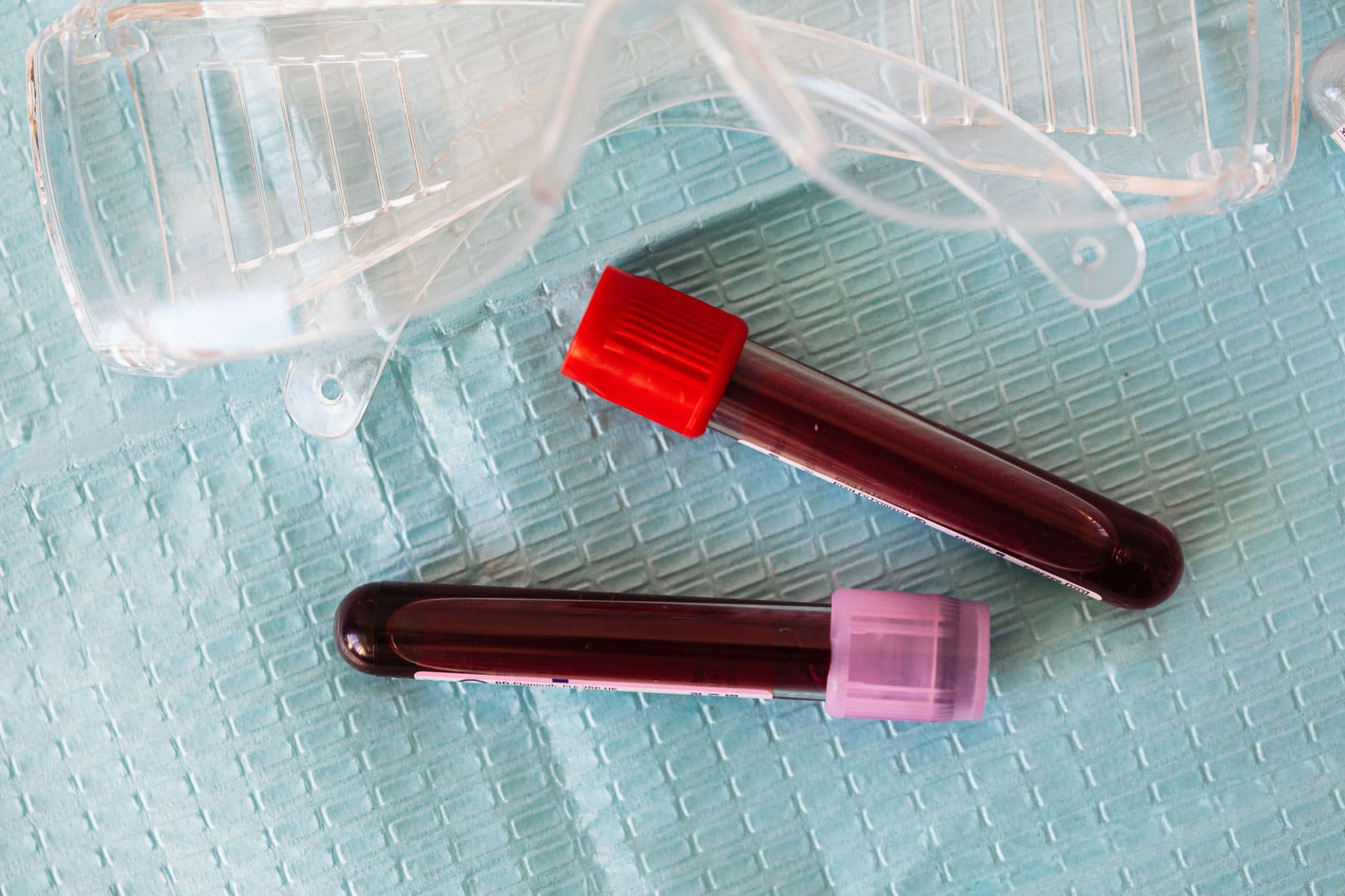
The study that gave keto’s heart-health defenders a clean talking point is gone. JACC: Advances retracted a 2025 paper that followed 100 people on ketogenic diets and claimed plaque progression was not tied to the LDL-C spikes that make cardiologists uneasy about long-term very low-carb eating.
The paper, Longitudinal Data From the KETO-CTA Study: Plaque Predicts Plaque, ApoB Does Not, was published on April 7, 2025 and tied to ClinicalTrials.gov identifier NCT05733325. Its abstract described a cohort of 100 people with ketogenic-diet-induced LDL-C of at least 190 mg/dL, HDL-C of at least 60 mg/dL, and triglycerides at or below 80 mg/dL. The group was tracked for one year with coronary artery calcium scoring and coronary CT angiography. Baseline lipids were extreme by conventional standards, with median ApoB of 178 mg/dL and median LDL-C of 237 mg/dL, while median total plaque score was 0. The paper concluded that neither ApoB nor LDL-C exposure was associated with plaque progression, while baseline plaque was.

That conclusion made waves because it seemed to cut against the usual warning that a high saturated-fat, low-carb pattern can push LDL higher and raise cardiovascular risk. But the paper did not survive the backlash. JACC: Advances issued an expression of concern on January 23, 2026, saying there were concerns about the integrity of the data and analyses. The later retraction notice said the article was pulled at the request of the authors and the editors, and that the methodological errors were too serious to fix with a corrigendum.
The criticism went well beyond one statistical dispute. The study was attacked for selective reporting, questionable control groups, and subgroup analyses that leaned on very small numbers, including comparisons involving groups of only 17 people. Critics also pointed out that the cohort was narrow and self-selected, made up of lean, metabolically healthy people with unusually high LDL-C on keto, which makes it a weak stand-in for the broader keto crowd. In other words, a striking result in a tightly filtered group is not the same thing as proof for everyone eating low-carb.
For keto eaters who keep a close eye on ApoB, LDL-C, and plaque scans, the lesson is blunt. A paper can become a rallying point fast, but bold claims need sturdier method than a small, highly selected cohort and a headline-friendly conclusion. This retraction does not just erase one citation from the debate; it resets the burden of proof for anyone trying to turn a single study into a long-term eating rule.
Every story on Keto Diet Magazine is assembled by an automated editorial system that works from verified research, official records, and credible reporting, then clears automated accuracy and moderation checks before it goes live. The standards that system follows are set and overseen by the people who run the publication. Read our full editorial policy.
Did this article answer your question?