The first win on keto is real, but it is not the whole story
Keto still earns its fan base the same way it always has: the scale drops fast, and blood sugar often settles down fast too. WebMD points out the early weight loss can be partly water loss, so that first flush of progress is not all fat coming off. Even so, the short-term payoff is enough to keep people coming back, especially if they have been fighting appetite swings and glucose spikes.
That is where the debate starts, because the quick wins do not answer the bigger question. A diet can look great on day 10 and still leave open questions about what it is doing to the arteries over the long haul.
Why the heart debate keeps getting louder
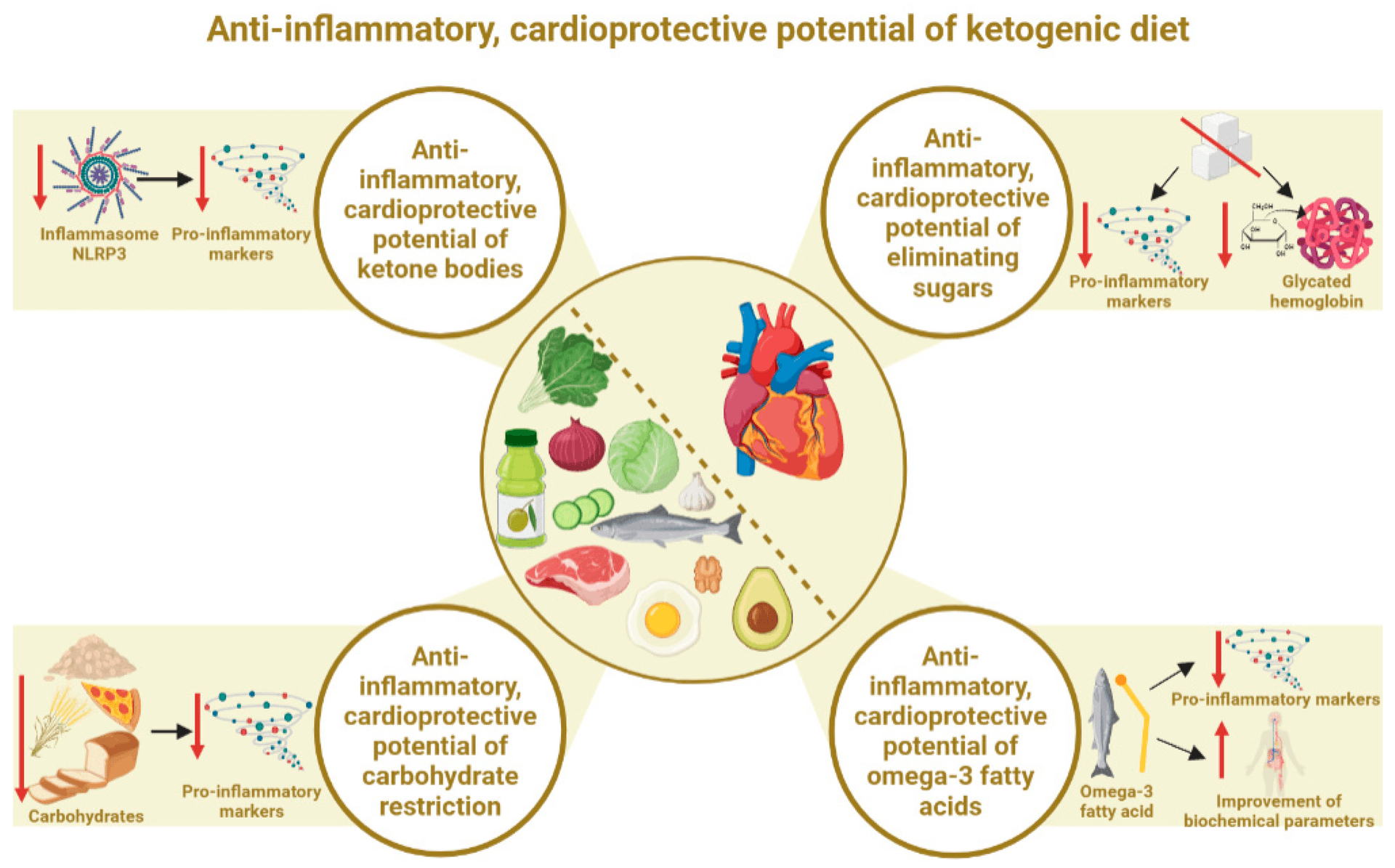
A 2024 review in the *American Journal of Clinical Nutrition* captured the tug-of-war clearly: keto may improve triglycerides, blood pressure, weight, and glycemic control, but it can also raise total cholesterol and LDL cholesterol. That mix is why the conversation never stays settled for long. In keto circles, the favorable side of the ledger gets a lot of attention, but the LDL side of the ledger refuses to go away.
That is not a minor footnote. Some ketogenic diets can push LDL cholesterol above 190 mg/dL in certain people, which is high enough to make even confident keto veterans take a second look at their labs. The fact that the same eating pattern can improve one set of markers while worsening another is exactly what makes this topic so hard to reduce to a slogan.
What the American Heart Association is actually objecting to
In its 2023 scientific statement in *Circulation*, the American Heart Association said ketogenic diets contradicted its heart-healthy eating guidance. It put Mediterranean, DASH-style, pescetarian, and vegetarian patterns on the other side of that line, saying those diets aligned strongly with heart-healthy guidance.
The AHA’s broader message is less about one villain food and more about the full pattern. It emphasizes fruits, vegetables, whole grains, beans, nuts, fish, lean meats, low-fat dairy, and unsaturated oils. That framing matters because it is not asking whether butter or avocado is “allowed” in isolation; it is asking what the whole plate looks like day after day.
The markers that actually tell you whether keto is helping or hurting
This is where keto readers need to get practical. The scale is useful, but it is the easiest number to flatter. If you want to know whether keto is helping your heart risk profile, the markers that deserve attention are triglycerides, LDL-C, ApoB if you can get it, blood pressure, and the quality of the foods you are using to hit keto macros.
A simple way to think about it:
- Triglycerides often improve on keto, and that is one of the cleaner wins.
- Blood pressure should move in the right direction, not drift up.
- LDL-C needs a close eye, especially if it jumps into very high territory.
- ApoB is worth asking for because it helps show how many atherogenic particles are circulating, not just how much cholesterol is being carried.
- Food quality matters more than most keto marketing admits. A fish, olive oil, nuts, and avocado version of keto is not the same thing as a butter, cheese, and processed meat version.
That last point is where a lot of supposedly “clean” keto plans get sloppy. If your fat sources are mostly unsaturated oils, nuts, fish, and other whole foods, the pattern looks a lot different from a version built around heavy cream and packaged meats.
Why some keto eaters need closer follow-up than others
The research keeps showing that not everyone responds to keto the same way. A subset of people, sometimes described in the literature as “lean mass hyper-responders,” can see dramatic LDL rises. That is not the normal Instagram story people tell about keto, but it is important because it shows how uneven the response can be.
A 12-month study design from Matthew J. Budoff and colleagues, including Denise Alison R. Javier, Venkat S. Manubolu, and Kristina S. Petersen, enrolled 100 relatively lean ketogenic dieters with LDL-C at or above 190 mg/dL and followed them with coronary CT angiography to assess plaque progression. That kind of design tells you the question is still open in a serious way. Researchers are not just arguing over blood tests anymore; they are trying to see whether the lipid changes show up in the arteries.
Why some studies still make keto look good
The disagreement persists because the data do not point in one direction. A 2024 meta-analysis in adults with type 2 diabetes found that very low-carbohydrate ketogenic diets improved cardiovascular risk factors overall, including higher HDL, and found no significant difference in LDL or total cholesterol compared with control diets. That is a real counterweight to the criticism, and it explains why keto defenders are not making up the upside.
But “no significant difference” is not the same as a clean bill of health for every person on every version of keto. It just means the average result in that population was mixed enough that the hardline narratives on both sides overstate the case.
The version of keto worth taking seriously
If you are using keto as a tool, the smartest way to judge it is not by ideology. It is by response. If triglycerides are down, blood pressure is down, glucose control is better, and LDL-C and ApoB are holding steady, you have evidence that the diet is working for you. If LDL shoots past 190 mg/dL, or your food quality slides into a parade of saturated fat and processed meat, that is a very different story.
The keto debate is not really about whether the diet can work in the short term, because it clearly can. It is about whether the heart markers that matter most are moving in the right direction or whether the fast drop on the scale is buying you a problem you will have to pay for later.
Every story on Keto Diet Magazine is assembled by an automated editorial system that works from verified research, official records, and credible reporting, then clears automated accuracy and moderation checks before it goes live. The standards that system follows are set and overseen by the people who run the publication. Read our full editorial policy.
Did this article answer your question?